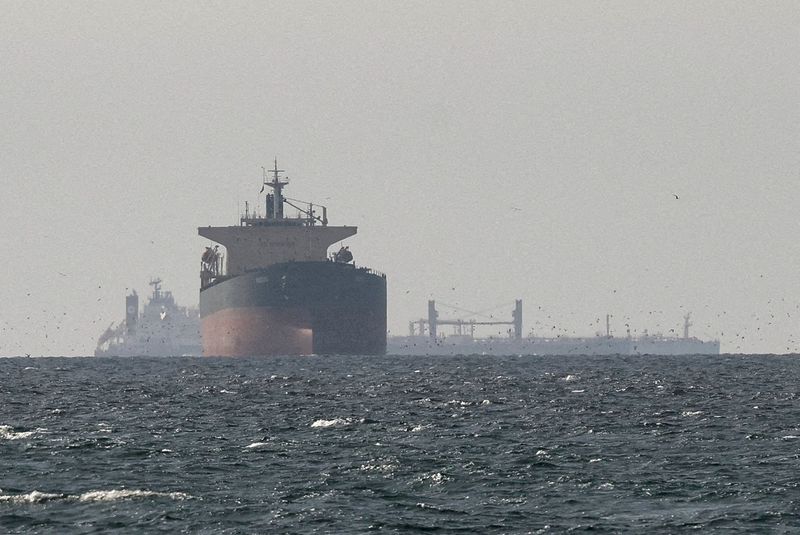

Pakistan Foreign Minister Ishaq Dar on Sunday announced that Iran has agreed to allow 20 additional Pakistani-flagged vessels to transit through the Strait of Hormuz, with two ships permitted to cross daily under a coordinated schedule.“I am pleased to share the good news that the Government of Iran has agreed to allow 20 more ships under the Pakistani flag to pass through the Strait of Hormuz; two ships will cross the Strait daily,” Dar said on X.He described the decision as a “welcome and constructive gesture” by Tehran, signalling a calibrated easing of maritime restrictions amid heightened regional tensions.“This is a harbinger of peace and will help usher stability in the region,” he said, adding that the move reflects growing reliance on dialogue, diplomacy, and confidence-building measures to manage the crisis.I am pleased to share a great news that the Government of Iran has agreed to allow 20 more ships under the Pakistani flag to pass through the Strait of Hormuz; two ships will cross the Strait daily.This is a welcome and constructive gesture by Iran and deserves appreciation. It…— Ishaq Dar (@MIshaqDar50) March 28, 2026The development comes days after Iran denied passage to a Karachi-bound container vessel, SELEN, underscoring its tightened enforcement of transit protocols in the strategic waterway. The ship, sailing under the flag of St Kitts & Nevis and carrying food supplies for Pakistan, was turned back by the Islamic Revolutionary Guard Corps (IRGC) Navy for failing to comply with mandatory clearance procedures.IRGC Navy Commander Alireza Tangsiri had explained that the vessel was denied passage due to “failure to comply with legal protocols and lack of permission,” reiterating that all vessels must coordinate with Iranian maritime authorities before transiting the strait.The Strait of Hormuz remains one of the world’s most critical energy and trade arteries, handling a significant share of global oil shipments. Any disruption or restriction in vessel movement is closely monitored for its potential impact on international markets and regional stability.The latest arrangement is also being seen in the context of Pakistan’s broader diplomatic outreach. Prime Minister Shehbaz Sharif recently offered to facilitate talks between the United States and Iran, an initiative that received a public nod from US President Donald Trump.