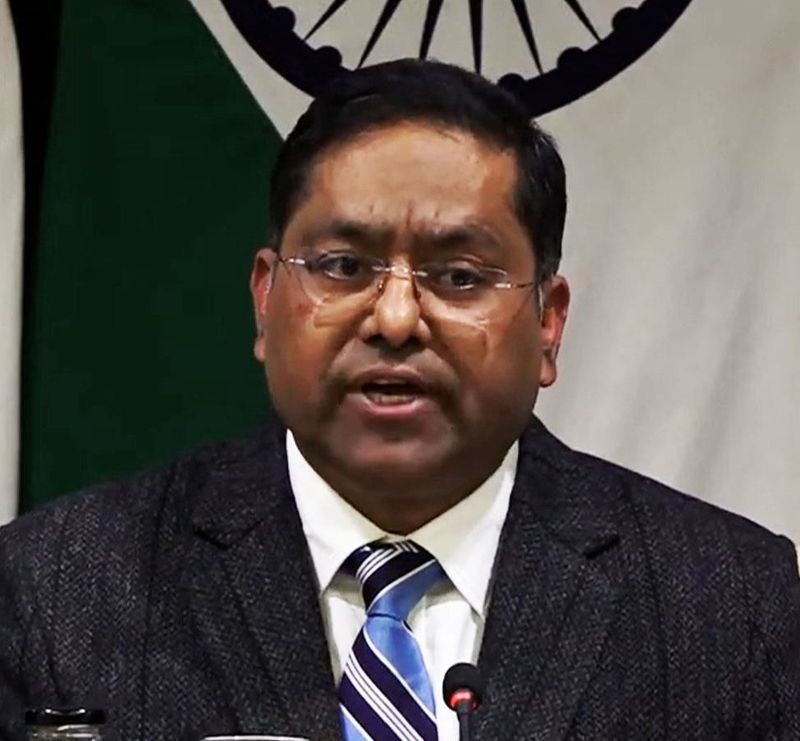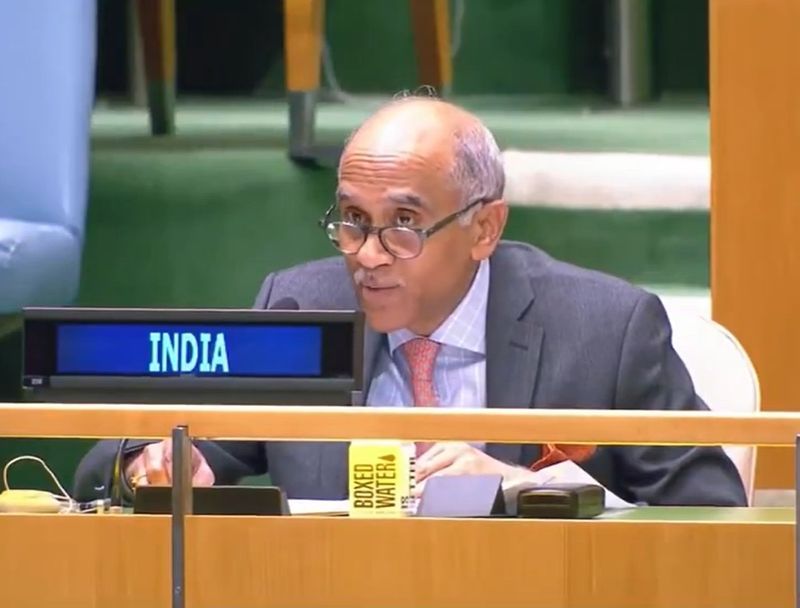

India mounted a sharp counterattack against Pakistan at the United Nations, justifying its decision to place the Indus Waters Treaty in abeyance and accusing Islamabad of waging “three wars” and orchestrating “thousands of terror attacks” against it.Responding to Pakistan during a UN event on World Water Day, India’s Permanent Representative to the UN, Harish Parvathaneni, said New Delhi’s patience had run out after decades of cross-border terrorism, asserting that the 1960 treaty could not be sustained in the face of continued hostility.“Pakistan violated this spirit [of the treaty] by inflicting three wars and thousands of terror attacks on India. Tens of thousands of innocent Indians became victims to Pakistan-sponsored terror attacks,” Parvathaneni said, in a strong right of reply at the multilateral forum.He underlined that India had entered into the Indus Waters Treaty “in good faith and a spirit of goodwill and friendship,” but was eventually compelled to put it in abeyance until Pakistan “credibly and irrevocably ends its support for all forms of terrorism”.Calling Pakistan the “global epicentre of terror,” the envoy said responsibility in water-sharing arrangements “is a two-way street” and cannot be divorced from broader conduct between nations.The sharp exchange unfolded even as India used the platform to highlight its domestic achievements in water governance, including the Jal Jeevan Mission, one of the world’s largest rural drinking water programmes, with a strong focus on community participation and women-led management.However, the Indian envoy made it clear that Pakistan had “misused” the international platform to raise bilateral issues, prompting a pointed rebuttal.Parvathaneni also flagged that the Indus Waters Treaty, signed over six decades ago, no longer reflected present-day realities, citing technological advancements in dam infrastructure, growing clean energy needs, and climate as well as demographic changes.“All our efforts to discuss modifications to the treaty with Pakistan were rebuffed,” he said, indicating that the absence of dialogue further constrained the agreement’s viability.Reiterating India’s position as a “responsible upper riparian state,” the envoy maintained that such responsibility must be matched by Pakistan ending the use of terrorism as an instrument of state policy.“Pakistan must uphold the sanctity of human life before talking of upholding the sanctity of treaties,” he said.