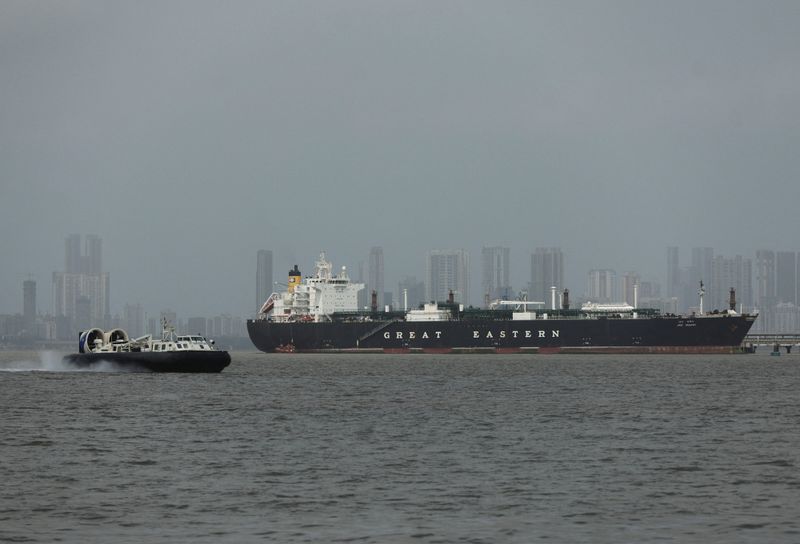

Around 370 Indian seafarers are still stationed aboard vessels near the sensitive Strait of Hormuz, even as the International Maritime Organisation (IMO) on Wednesday called for immediate evacuation of stranded ships following the US-Iran ceasefire.The government said the Directorate General of Shipping (DG Shipping) had so far facilitated the safe repatriation of over 1,754 Indian seafarers from the Gulf region, including 63 in the past 24 hours through coordinated efforts involving Indian Missions, ship owners and recruitment agencies.However, concerns persist as at least 16 Indian-flagged vessels with 370 Indian crew members remain in the western Persian Gulf, with a significant number still operating in proximity to high-risk maritime zones.The Embassy of India in Tehran has issued a fresh advisory, urging Indian nationals to leave Iran expeditiously using designated routes. Officials indicated that around 7,500 Indians are still in Iran amid the fragile ceasefire.So far, the Embassy has facilitated the evacuation of 1,864 Indian nationals through land borders with Armenia and Azerbaijan, including 935 students and 472 fishermen.Amid these developments, IMO Secretary-General Arsenio Dominguez welcomed the ceasefire and underscored the urgency of restoring safe maritime movement in the region.“For the health and wellbeing of seafarers and the global shipping industry, I welcome the ceasefire announced in the Middle East,” Dominguez said.He added that the IMO was working with relevant stakeholders to put in place mechanisms to ensure safe transit through the Strait of Hormuz, one of the world’s most critical energy corridors. “The priority now is to ensure an evacuation that guarantees the safety of navigation,” he said.The IMO’s intervention comes as several merchant vessels remain stranded or delayed due to recent hostilities that had threatened global oil supply chains and disrupted commercial shipping routes.The Strait of Hormuz handles a substantial share of the world’s oil shipments, and any instability in the region has immediate global economic ramifications. While the ceasefire has raised hopes of de-escalation, maritime risks persist, including possible residual threats from the conflict and uncertainties over compliance with the truce.Shipping industry stakeholders have expressed cautious optimism but remain wary of operational hazards in the region.