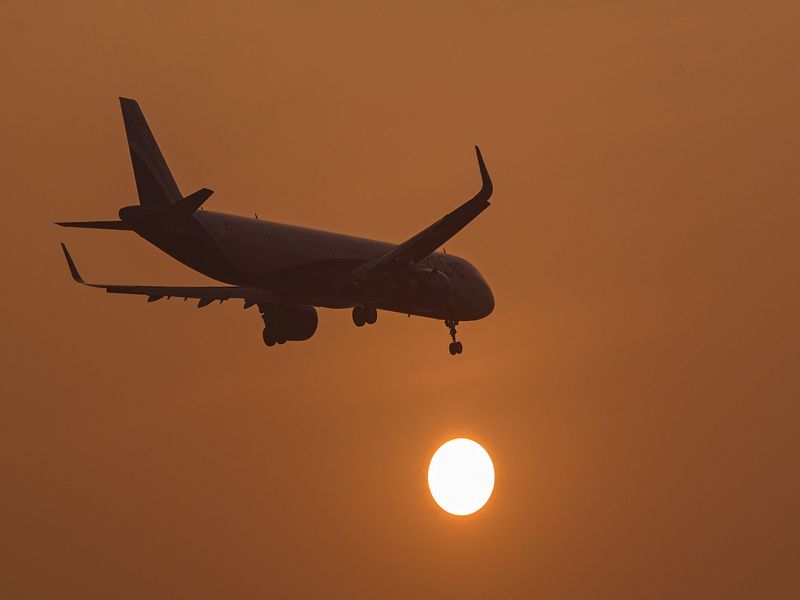

The Ministry of Civil Aviation (MoCA) has put on hold its recent directive mandating airlines to offer at least 60 per cent of seats free of charge on every flight, following strong objections from the aviation industry over its operational and financial impact.In an official communication dated April 2, the ministry said the provision requiring scheduled airlines to provide a minimum of 60 per cent seats free of cost would remain in abeyance until further orders. The decision comes less than a fortnight after the directive was issued on March 17 as part of broader passenger facilitation measures.The rollback follows representations from the Federation of Indian Airlines and Akasa Air, which flagged serious concerns over the feasibility of such a mandate in a deregulated tariff regime. Airlines argued that enforcing free seats at this scale would severely disrupt fare structures, distort market dynamics and threaten financial sustainability in an already cost-sensitive sector.The ministry acknowledged these concerns, stating that the matter required a “comprehensive examination” in light of its wider commercial and operational implications.The move signals a recalibration of policy after industry stakeholders warned that the order could trigger unintended consequences, including fare hikes on remaining seats and reduced route viability.Despite suspending the contentious clause, the government has asked the Directorate General of Civil Aviation (DGCA) to continue enforcing other passenger-centric measures outlined in the earlier directive.These include greater transparency in seat allocation, ensuring co-seating of passengers booked under the same PNR and clear disclosure of charges for services such as the carriage of musical instruments, sports equipment and pets.The initial order had drawn sharp reactions within the aviation sector, with experts questioning its alignment with India’s liberalised pricing framework. Critics had also pointed out that compelling airlines to offer a majority of seats free of charge could undermine competition and lead to long-term instability.