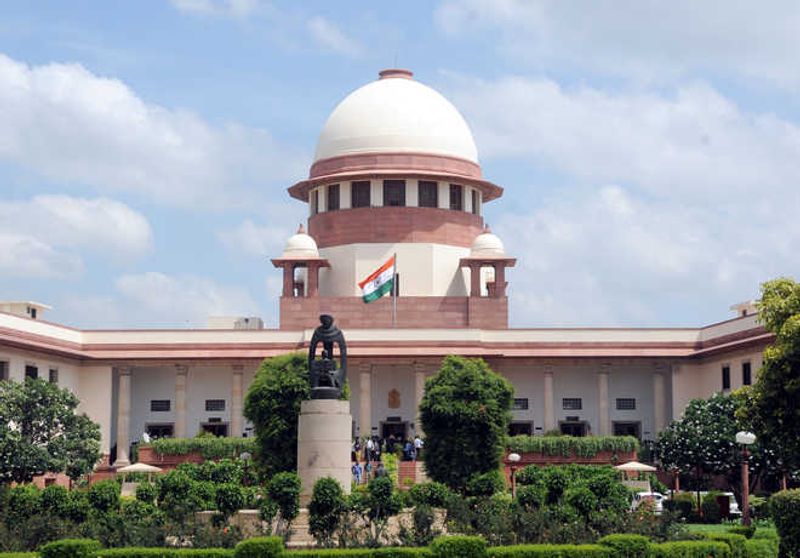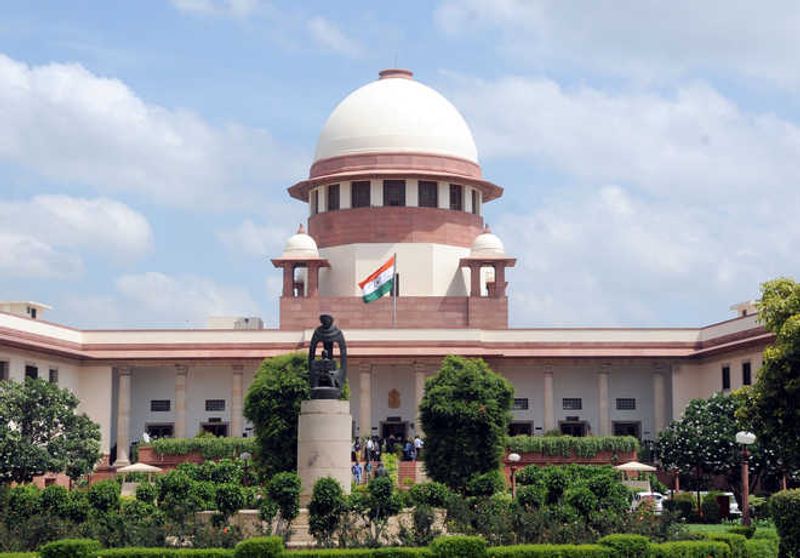
The Supreme Court on Wednesday agreed to list for hearing a petition challenging the University Grants Commission’s controversial Promotion of Equity in Higher Education Regulations, 2026, which restricted caste-based discrimination grievance mechanisms to the SC, ST and OBC categories.”We know what’s happening. Make sure defects are cured. We will list it,” a Bench led by Chief Justice of India Surya Kant told the counsel representing petitioner Rahul Diwan and others after he mentioned the matter for urgent listing.”There are certain provisions in the regulations that have the effect of promoting discrimination against people belonging to the general classes,” the petitioner’s counsel submitted.This is the second petition in the top court against the UGC’s equity rules, which have triggered protests by students from the general category in various parts of the country.The regulations have been challenged for excluding general category students from complaining under its grievance redressal mechanism.Earlier, Vineet Jindal, an advocate, had moved the top court challenging the UGC’s regulations, contending that the exclusion of castes in the general category violated Articles 14 (right to equality), 15 (right to non-discrimination) and 21 (right to life and liberty) of the Constitution.Jindal has urged the top court to declare that denial of grievance redressal mechanisms on the basis of caste identity amounts to “impermissible state discrimination” and is “violative of fundamental rights guaranteed under Articles 14, 15(1), and 21 of the Constitution”.Demanding a stay on the 2026 regulations, he submitted that the authorities should be restrained from enforcing or acting upon the provision.Notified on January 13, the regulations apply to all higher educational institutions across India.Regulation 3(c) says, “caste-based discrimination” means “discrimination only on the basis of caste or tribe against the members of the Scheduled Castes, Scheduled Tribes and other backward classes”.It aims to “eradicate discrimination only on the basis of religion, race, gender, place of birth, caste, or disability, particularly against the members of the SCs and STs, socially and educationally backward classes, economically weaker sections, persons with disabilities, or any of them, and to promote full equity and inclusion amongst the stakeholders in higher education institutions.”The UGC regulations require higher educational institutions to set up equal opportunity centres and equity committee for effective implementation of policies and programmes for disadvantaged groups and to look into discrimination complaints.The petitioners have contended that the UGC regulations in their present “exclusionary form” denied grievance redressal and institutional protection to persons belonging to non-SC/ST/OBC categories.A PIL filed in 2019 by Radhika Vemula and Abeda Salim Tadvi, mothers of Rohit Vemula and Payal Tadvi, respectively, had sought a mechanism to end caste-based discrimination on college campuses.Rohit and Payal had reportedly died by suicide over caste discrimination in their universities.In March 2025, the Centre had told the top court that the UGC had prepared draft regulations to address the issues.