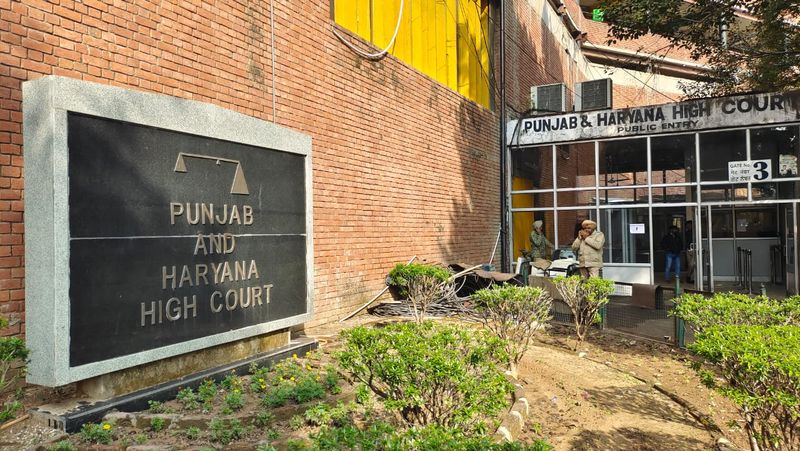
Questioning the wisdom of three-decade-old rules aimed at treating employees of cooperative agricultural service societies on a par with government employees for retirement benefits, the Punjab and Haryana High Court has flagged the financial impracticality and legal basis of saddling small, autonomous societies with liabilities they are incapable of discharging.In a strong indictment of state policy, Justice Harpreet Singh Brar at the same time contrasted the benefits imposed on cooperative societies with the government’s own employment practices: “On the one hand, the Government of Punjab is not paying even minimum wages to its own employees, and essential services in the municipalities, health, and education departments are being carried out through contractual or ad hoc employees.”Holding that such societies operated on thin margins, received no government aid, and are structurally different from government departments, Justice Brar also directed Punjab to explain the rationale, legality, and financial consequences of the Punjab State Cooperative Agricultural Service Society Service Rules, 1997.In his detailed order, Justice Brar directed the Principal Secretary, Department of Cooperation, to file an affidavit answering pointed questions, including rational basis on which society employees were declared on a par with government employees; whether the state was willing to provide budgetary support to societies unable to pay retirement dues; and whether the 1997 Rules were notified in the official gazette and placed before the State Legislature.The state was also directed to place on record gazette notifications of the 1963 and 1997 rules and furnish complete financial details of the respondent-society, including balance sheets for the last five years and employee strength.“This Court is unable to comprehend whether, prior to framing the 1997 Rules and extending the entitlement of salary, gratuity, and other benefits to employees at par with Government employees, the financial capacity of each individual society was duly considered,” the Bench added.The petitioner had approached the High Court seeking release of his retirement dues from a cooperative agricultural service society, relying on the 1997 Rules framed by the Registrar, Cooperative Societies, which conferred parity with government employees for gratuity and other retirement benefits.“This court is flooded with such petitions wherein such societies due to financial constraints, are not able to discharge its liability to pay retirement dues of its employees, imposed upon the registrar through 1997 rules,” Justice Brar observed.The court also expressed serious doubts about the assumptions underlying parity. Referring to the limited nature of work performed by society employees, Justice Brar observed: “It appears that the duties of the petitioners merely involved distribution of seeds, pesticides, and fertilisers to farmers, performing services which are neither perennial nor comparable to those rendered by employees in government departments.”Focusing on the fragile financial position of such societies, Justice Brar added: “Most of these societies operate on a modest scale and may lack the requisite financial resilience to discharge the accumulated burden of gratuity, leave encashment, and other retirement dues.”Pointing out that the societies earned merely 1–2 per cent commission on sale of fertilisers and other inputs from entities such as IFFCO and MARKFED, the court added they received no financial aid from the State and were autonomous bodies under the Punjab Cooperative Societies Act, 1961, created to earn and distribute profits among members.