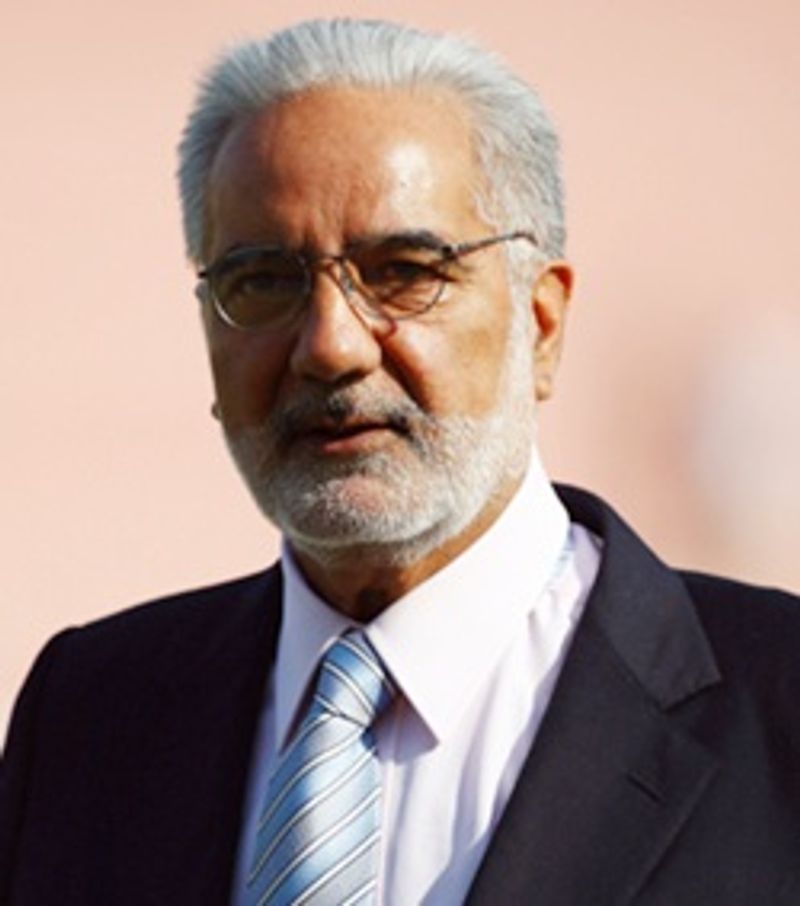
Where does one even begin to document all that has happened in our own country and the world in just a month of this momentous year? Davos, Trump’s latest fatwas, our own Republic Day, and a tragic air crash that has shaken every Indian. Thank god for the snowfall in our hill states, after the driest winter in years, because at least our rivers will have some water later in the year as this snow melts. Cousins from Uttarakhand have sent delightful photos of snow-covered courtyards and the glorious Himalayan vistas, in fresh white snow.Of course, this has also meant that foolish tourists have flocked to play snowball-snowball, make snowmen and generally live out their filmi fantasies in reels sent to all and sundry. However, when one hears of the long queues of cars stuck on the freezing snow-covered roads and buses plunging into gorges, reality hits these dreams. Opening up our hidden Himalayan picturesque villages and small towns to promote tourism must factor in the consequences of this dramatic promotional flourish.Mountainsides blasted to widen roads have disastrous side-effects that may never be reversed, but when did our intrepid tourism promoters ever listen to the warnings that ecologists have been giving for years?When I reflect upon these follies, I am forced to remember another generation of civil servants and mediapersons who were more mindful of reckless ‘development’ and who cared so deeply for the country that they took on bosses and political leaders fearlessly. Mr IS Bindra, who passed away on the same day as our beloved Mark Tully (January 25), was my husband’s first boss when he joined the Punjab cadre as an SDM in Samrala. Mr Bindra, then DC of Ludhiana, was already well-known as a man who cleaned up Ludhiana’s notorious civic mess and went out personally to remove encroachments and yell at traffic violators.He became my husband’s mentor and gave him the support to do good, even if it meant confronting powerful local worthies. Among the many lessons he taught my husband was that he should avoid sharing a drink in his sub-division, as the relationship with someone one shares a drink with is very different from a cup of chai.This meant that we would land up (in a PRTC bus, mind you, not the official jeep) at his home in Ludhiana where my husband could let his hair down (he had some then). Those were some of the happiest times we spent and Mr Bindra became an extension of our own family even when we came to Chandigarh and Bindra Saab went to Patiala to run one of the most prominent cities of Punjab then. Later, when he became Home Minister Giani Zail Singh’s special assistant, he cleaned up the DDA and became a respected member of his team.His most abiding legacy was what he did to cricket and while that has been documented by many, I am so glad that the state-of-the-art stadium he built in Mohali (then a mere village) bears his name. His funeral on Republic Day was a fitting tribute to a man who exemplified the best traditions of the civil services and who taught by example what it was to be a proud Indian.Mark Tully belonged to the old BBC that every Indian heard on his transistor to get authentic news.What can I say of Mark Tully that others have not already said beautifully? We came to know Mark and his wonderful partner, Gillian Wright, sometime in the 1970s when Punjab was on the boil. Many journalists would come to gather news and information and somehow land up at our house in the evenings. When Bhindranwale was shot inside the Golden Temple complex, there was a complete lockdown and no one knew what was happening there. I will not reveal names here, but the pilot of the plane who flew the Army Chief out of Amritsar told his wife, who called a friend who called me. So even before it was officially announced, our little adda got to know and Le Monde (whose India correspondent was staying with us at the time) was the first international newspaper to break the news.After we came to Delhi, Mark’s beautiful home in Nizamuddin was a favourite venue with many and we met so many interesting people. Gillian, whose knowledge of Hindi and Urdu is amazing, became a friend at another level as a translator.Mark was a great listener and his love of trains and people of every social level was a rare asset since many foreign correspondents are handicapped by their lack of knowledge of Indian languages. This is probably why their despatches lack the human quality that Mark brought into his reportage. Mark’s gentle ways, his vast knowledge of the political geography of this maddeningly diverse land and his deep love of India will be hard to find again. There is a part of Mark that will always be Indian in the deepest sense.Mark belonged to the old BBC that every Indian heard on his transistor to get authentic news. It is a fact that when Rajiv Gandhi was informed of his mother’s assassination in Calcutta, he tuned into the BBC to confirm the news. Mark’s books on India, whether they were records of political events or stories of real people in the remotest parts of India, are a delight to re-read.There must be a hidden message in their departing on the same day. Rest in peace, friends.— The writer is a social commentator