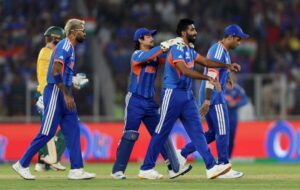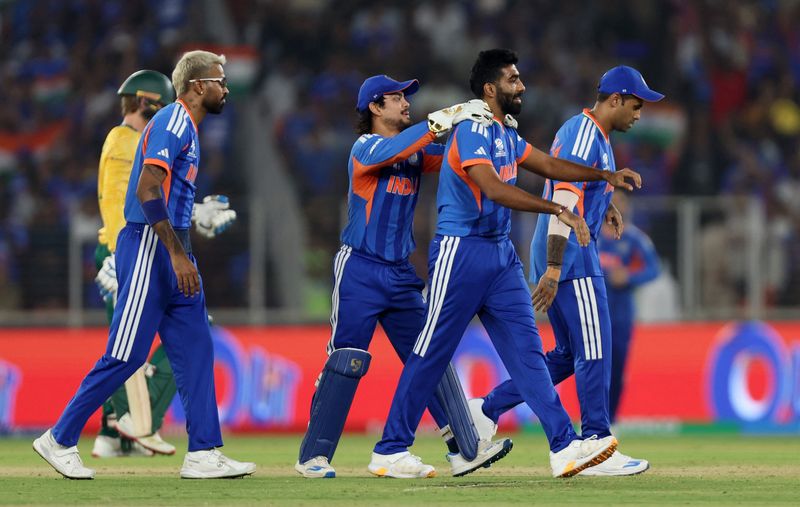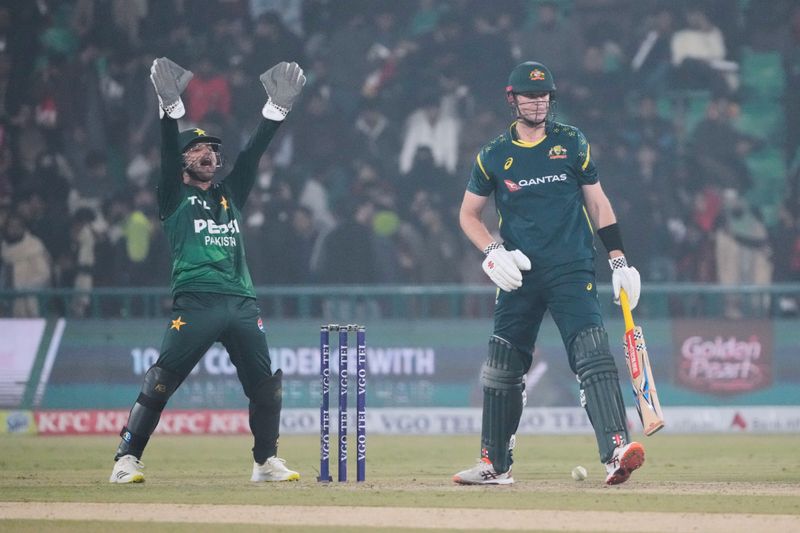
The crucible of political posturing and ego is heating up once again, with Pakistan threatening to boycott the men’s T20 World Cup group league match against India.In the fog of such declarations, the public is unsure where Pakistan actually stands. More worryingly, so are the players and the broadcasters. In modern cricket, confusion is not just a communication failure — it is a commercial liability.Cricket today is not merely a contest of bat and ball; it is a broadcast-driven industry. The sport’s financial engine runs on a few high-voltage fixtures that guarantee eyeballs, ratings and advertiser confidence. India-Pakistan is the crown jewel of that economy, alongside the Ashes and the finals of global tournaments. These matches are not just sport; they are commercial events that anchor advertising inventories, sponsorship valuations and network programming strategies months in advance.Television and digital platforms price 10 and 20-second advertising slots dynamically. A marquee clash commands a premium multiple times higher than a routine group-stage game. Pakistan understands this arithmetic. By hinting at withdrawal, the PCB is leaning on what it believes is its unique selling proposition — the leverage of rivalry. The message is implicit: our participation inflates your revenues; our absence dents your spectacle.But leverage in sport is not a moral instrument; it is a commercial one. And commercial systems punish unpredictability. If Pakistan were to pull out of a World Cup, the immediate financial hit would be theirs to absorb long before broadcasters feel the pinch. ICC revenue distributions are performance- and participation-linked. Tournament participation guarantees a base payout; withdrawal risks forfeiting that share, along with match fees, prize money, and appearance-linked incentives. For a board that is perpetually managing cash flows, central contracts and domestic structures, that loss is not cosmetic — it is structural.Then there is the long tail of sponsorship. Team sponsors sign contracts based on visibility during marquee tournaments. A World Cup is not just another tour; it is the shop window of global cricket. Jerseys, perimeter boards, digital campaigns, and activation events are priced around that exposure. A self-inflicted absence devalues sponsorship inventory overnight. Renewal negotiations become harder, valuations shrink, and future partners quietly hedge their enthusiasm. In a commercial world, reliability is currency.Broadcast relationships are no different. Networks invest in production, logistics and marketing around Pakistan fixtures. Repeated uncertainty corrodes trust. While the India-Pakistan rivalry is valuable, broadcasters will eventually recalibrate programming models that are not hostage to political weather. The market has a memory. Boards that repeatedly blur the lines between sport and statecraft find that leverage is not infinite; it depreciates with every tantrum.There is also the developmental cost. ICC event revenues are meant to fund grassroots cricket, academies, women’s programmes and domestic infrastructure. When participation is sacrificed at the altar of posturing, it is not the administrators who tighten belts — it is the pathways. Fewer funds trickle down. The domestic game shrinks quietly. Talent pipelines narrow. The irony is brutal: political theatre in the present mortgages cricketing depth in the future.None of this is to deny that geopolitics is real. It intrudes into sport with wearying regularity. But when boards weaponise tournaments as bargaining chips, they blur the line between principle and performance art. The sport becomes a stage for declarations, not development.And somewhere beneath the noise are the players. Careers are short. Windows of peak performance are cruelly brief. For them, a World Cup is not a talking point — it is a once-in-four-years professional summit. Yet they remain the most disposable pieces on this chessboard, summoned for patriotism when convenient, sidelined when egos collide. No one holds press conferences for the lost caps, the missed exposure, the evaporated careers.In this theatre of brinkmanship, boards posture, politicians preen, and balance sheets silently keep score. The final, uncomfortable question lingers: when the dust settles and statements fade, who actually cared for the players — the only ones who ever had to perform?