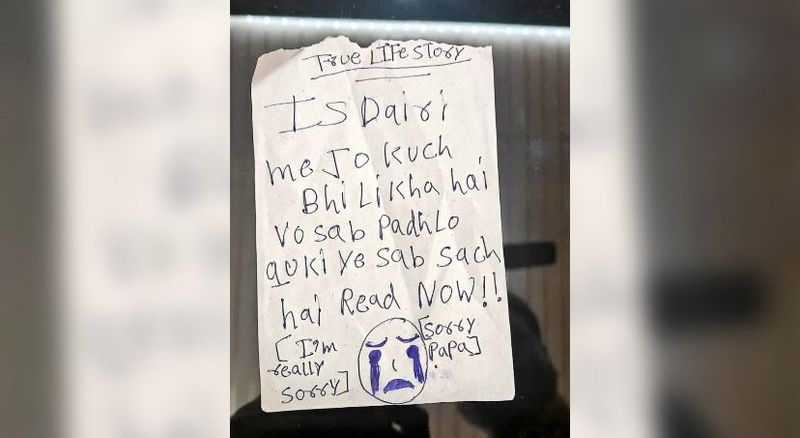
In a tragic incident in Uttar Pradesh’s Ghaziabad, three sisters aged 12, 14 and 16 jumped to their deaths from the ninth floor of their apartment early hours of Wednesday.Police suspect the girls were drawn into an online game called ‘Korean Lover’, which allegedly listed suicide as its final task. Screenshots and a suicide note recovered from the spot point to the children’s deep emotional attachment to the game. The parents were reportedly unaware of the game’s nature and believed it to be a normal pastime.The girls were highly obsessed with the game and thought that they were not Indians, but Koreans. They also portrayed themselves as Korean princesses under the influence of the game.Experts warn that such task-based online challenges use psychological manipulation, making children and adolescents particularly vulnerable and stress the need for parental awareness, digital supervision and mental-health support.Incident location & time:The tragedy occurred around 2 am on Wednesday at Bharat City, a residential township in Ghaziabad, Uttar Pradesh.Victims identified:Three minor sisters aged 12, 14 and 16 jumped to death from the ninth floor of their apartment building.Alleged cause:Police suspect the girls were influenced by a “task-based” online game named ‘Korean Lover’, which they had reportedly been playing for the past two to three years.Game content:Screenshots recovered from the girls’ mobile phones allegedly show suicide listed as the final task in the game.Suicide note recovered:Police recovered a note from the spot stating:“Mummy, Papa, sorry. The game you wanted us to quit, now you will realise how much we loved it. Korean was our life.”Parents unaware:The girls’ father told the media the family had no knowledge of the game’s nature and believed it was a normal mobile game. He said the sisters often spoke about wanting to go to Korea.Signs of addiction:Police said the girls were highly addicted to the game and had stopped attending school, indicating growing emotional dependence.Psychological manipulation:Experts warn such “games” are actually online manipulation challenges that use gradual psychological grooming rather than force.How such games operate:Tasks reportedly start harmlessly but escalate over time, often encouraging secrecy, isolation from family, and emotional dependence on the game.Who is most at risk:Adolescents, emotionally vulnerable children, and those dealing with academic failure, shame, loneliness or isolation are particularly susceptible.Previous similar cases:Authorities have earlier flagged challenges like the Blue Whale Challenge, Blackout Challenge, and certain cult-like online activities for encouraging self-harm.Warning signs for families:Sudden secrecy about phone use, withdrawal from family, sleep disturbances, obsession with dark content, and expressions of hopelessness.Government action:Authorities use IT Rules, 2021 for content takedown, conduct cybercrime investigations, and promote mental-health helplines.Safety measures suggested:Parents are advised to maintain open communication, monitor screen time, discuss online risks honestly, and encourage children to seek help when distressed.