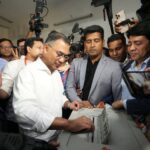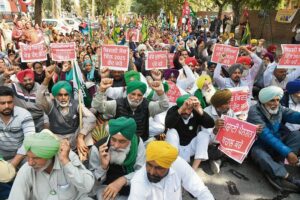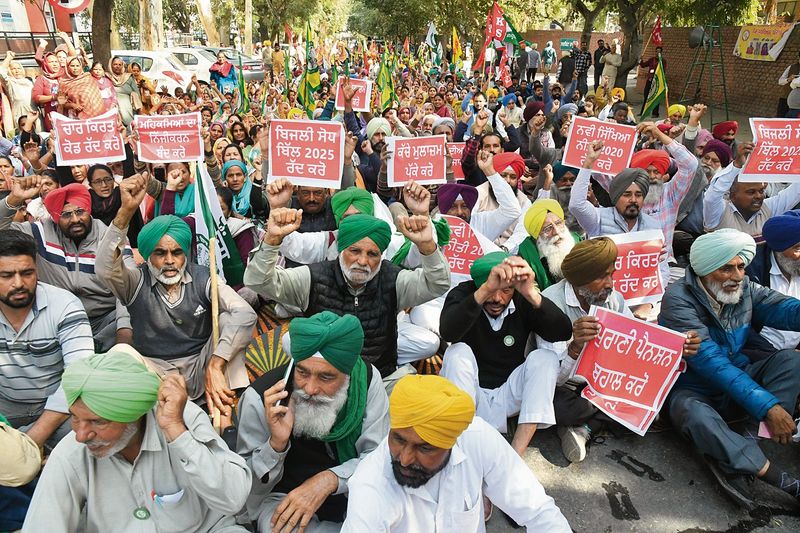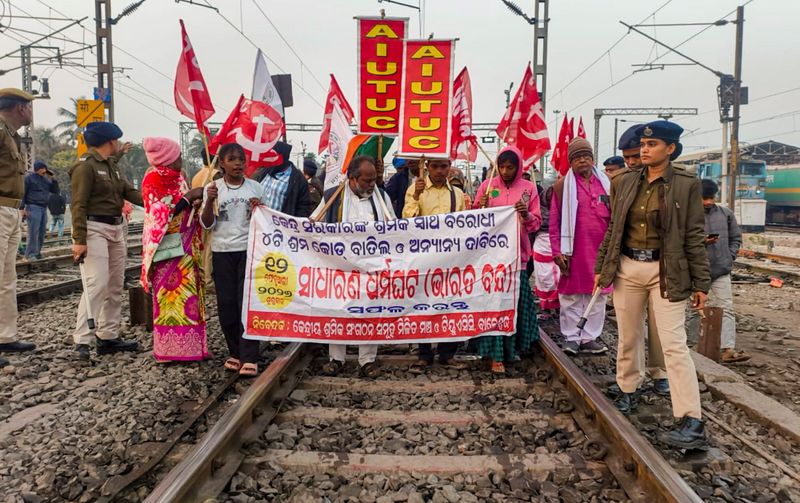
A nationwide strike called by a joint forum of central trade unions on Thursday saw a mixed response across India, with normal life continuing in many states even as disruption was reported in select pockets of other states.The 24-hour Bharat bandh, which began at midnight on February 12, was organised in a protest against what unions described as anti-worker and anti-farmer policies of the Centre.The protest targeted the four new labour codes, privatisation measures and the proposed India-US interim trade deal. The forum claimed that nearly 30 crore workers were mobilised for the general strike across 600 districts.In several states, daily life remained largely unaffected. Gujarat, West Bengal and Tripura reported minimal impact as public transport, markets and offices continued normal functioning. In Madhya Pradesh, markets and educational institutions remained open, although 25,000 civilian employees in defence establishments reported to work an hour late in symbolic support.Disruptions were most visible in parts of Odisha, Kerala, Tamil Nadu, Jharkhand and Chhattisgarh. In Odisha, a 12-hour shutdown affected public transport, markets and educational institutions in cities such as Bhubaneswar and Cuttack. In Jharkhand, banking, insurance and coal sectors reported disruptions. Nationalised banks in Chhattisgarh remained shut, and mining operations were partially affected, though transport services continued and industrial units such as the Bhilai Steel Plant functioned as usual.In Tamil Nadu, port operations in Chennai and Thoothukudi were hit. Workers in the Sriperumbudur-Oragadam industrial belt held demonstrations, leading to delays in goods movement due to fewer transport vehicles. Production in several manufacturing units continued with reduced staff.Kerala witnessed one of the stronger responses. With buses and auto-rickshaws off the roads and many shops closed, attendance in government offices was expected to be low. The state government declared the day as dies-non for its employees.Bank unions, including AIBEA, AIBOA and BEFI backed the strike. State Bank of India informed the stock exchange that services might be affected to a limited extent despite arrangements for normal functioning. Bank of Baroda and UCO Bank also cautioned customers about possible branch-level disruptions, though digital services were expected to continue.The Samyukt Kisan Morcha supported the bandh, and said that the proposed trade agreement with the United States would harm farmers by allowing cheaper imports.SKM Convener Hannan Mollah alleged that the agreement would weaken domestic agriculture and said it was against farmers’ interests. Punjab’s ruling AAP also extended support to the strike and said its cadre would join in solidarity.Govt taking decisions without hearing workers & farmers: CongressThe Congress also backed the protest both inside and outside Parliament. Leader of Opposition in Lok Sabha Rahul Gandhi said the government was taking decisions affecting workers and farmers without adequately hearing them. The party said that India’s interests were non-negotiable and opposed what it called anti-people provisions in the US trade deal.“The Congress stands firmly with the labourers and marginalised people of India who are on the streets today against the wide range of anti-people decisions of the Centre. INC president Mallikarjun Kharge and other Opposition MPs joined the protest at Parliament House against the anti-people clauses of the India-US trade deal and the labour laws, which force workers to surrender before big industry,” Congress MP KC Venugopal wrote on X.However, Congress MP Shashi Tharoor criticised the manner in which the bandh was enforced in Kerala. He said while he supported the right to protest, no one had the right to obstruct others or shut down daily life. Protest should not restrict the freedom of citizens to work or travel, he argued.The unions maintain that the four labour codes, which replace 29 earlier laws, dilute job security and weaken collective bargaining rights. They have also demanded stronger employment guarantees under rural schemes and the rollback of certain proposed legislations.