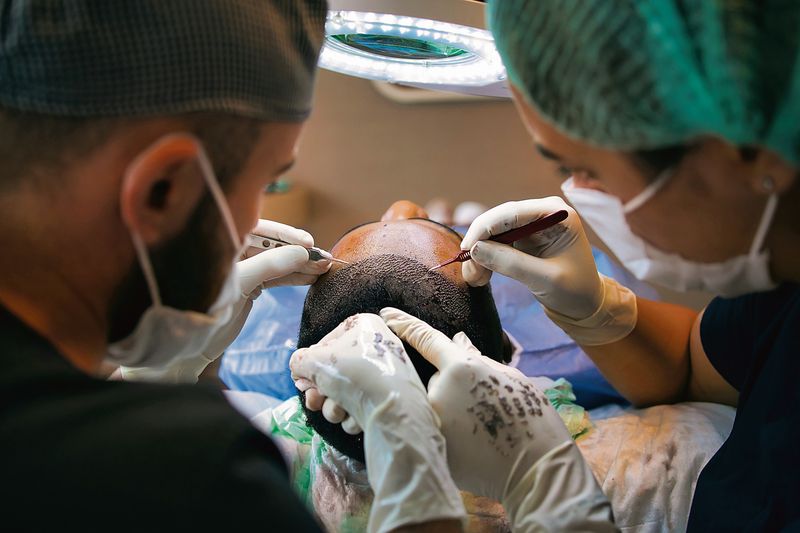
Burn victims and patients with severe facial disfigurement due to trauma and congenital conditions have a renewed hope as the All-India Institute of Medical Sciences (AIIMS), New Delhi, is taking a landmark step towards introducing India’s first face transplant programme.Face transplant is a highly advanced and complex reconstructive procedure in which all or part of a person’s face is replaced using tissue from a donor.Dr Maneesh Singhal, Head, Department of Plastic, Reconstructive and Burns Surgery, AIIMS, said: “There are a large number of patients suffering from devastating facial deformities due to acid burns, gunshot injuries and trauma even after 10 to 12 surgeries. Face transplantation is no longer experimental — it is the need of the hour. Developing this capability at AIIMS is essential to provide holistic functional and aesthetic rehabilitation to patients who currently have very limited options.”Singhal said facial transplant is the rarest surgery which gives aesthetics to patients. However, he said, structured training, ethical preparedness and multidisciplinary collaboration were crucial before embarking on such complex procedures.As part of this preparation, the department organised an intensive cadaveric workshop and academic training. Speaking to The Tribune, Dr Dipankar Bhowmick, Prof and Head, Department of Nephrology explained the need for a nephrologist during a face transplant.“For the transplant you need a donor. During the transplant, the recipient’s immune system rejects the tissue. We put drugs to prevent the rejection. Since we are experienced in handling drugs we will play a role here. Immunosuppression plays a critical role, for which there is all infrastructure and facilities in place at AIIMS,” he said.Dr Preethy K, Assistant Professor from the Department of Psychiatry, emphasised the importance of rehabilitation and counselling throughout the course of treatment. “There is a possibility of patients sinking into depression, post-traumatic stress and psychiatric disorder before or after the transplant. So we tell the patients of the risks and benefits of surgery,” she told the newspaper.