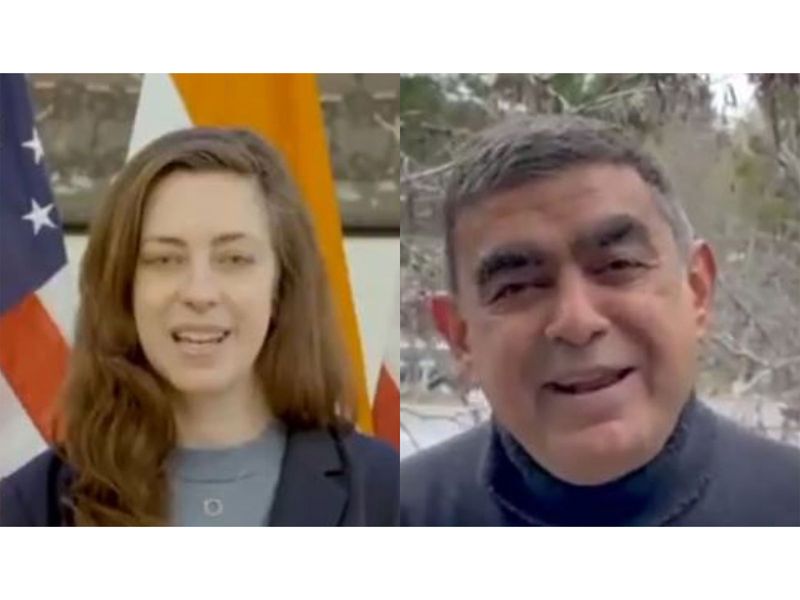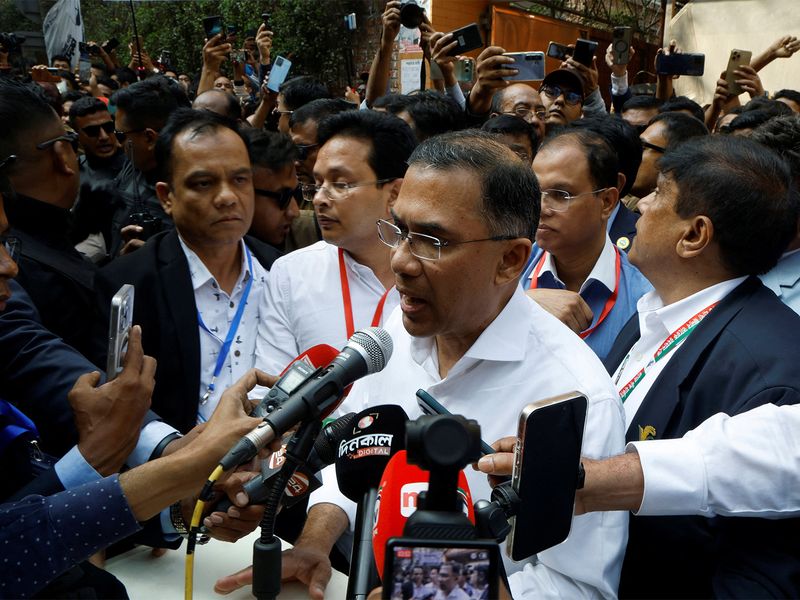
The electoral return of the Bangladesh Nationalist Party has triggered a familiar debate in New Delhi — does a change of political guard in Dhaka weaken India’s strategic comfort or actually make the relationship more durable?For nearly 15 years, India’s ties with Bangladesh were anchored in close cooperation with the government of Sheikh Hasina. Security coordination, connectivity corridors and trade expansion flourished during this period, turning what was once a sensitive frontier into one of India’s most stable borders.Former High Commissioner to Bangladesh Veena Sikri said the foundation of that progress lay in Dhaka’s security assurances.Related news: ‘Committed to peace’: Modi dials Tarique as BNP storms back to power in BangladeshBangladesh economist roots for reset of ties after BNP win“During the 15 years of the Awami League government under Hasina, India’s security lines were fully respected, and that is what opened the doors for full economic cooperation between India and Bangladesh. With Tarique Rahman set to become the PM, I think we are once again seeing strong interest from him in positively reviving the India-Bangladesh relations,” she said.Those security guarantees enabled India to restore rail links, develop transit access to the North-East, expand power trade and deepen economic integration. Bangladesh, in turn, emerged as India’s largest trading partner in South Asia.Yet history makes New Delhi cautious. Previous BNP governments were often viewed in India as politically distant and less responsive on cross-border militancy. The party now returns to power in a very different regional environment — one shaped by economic interdependence and institutional cooperation.Rajya Sabha MP and former Foreign Secretary Harsh Vardhan Shringla said the election marked a political cycle rather than a strategic rupture.“In many senses we have come full circle. People of Bangladesh have voted for a party that represents political interests. It is a pro-liberation party, meaning it believes in the spirit of 1971… Tarique Rahman has made positive statements about maintaining good relations with India to ensure minorities are protected and cooperation with Bangladesh’s largest neighbour is mutually beneficial,” he said, while cautioning that concerns about radicalisation could not be entirely dismissed.The immediate challenge, however, may be political rather than strategic. Senior BNP leader Salahuddin Ahmed said his party would formally urge India to extradite Hasina to face trial in Bangladesh, describing it as a matter to be taken up between the two foreign ministries.Such a demand could test diplomatic handling on both sides, but it is unlikely to override deeper structural realities.Bangladesh’s economy relies on land connectivity through India, while India depends on stable cooperation from Dhaka for security in its North-East and access to regional transport corridors.In fact, a change of government may make certain negotiations easier. Agreements on water sharing, migration management and trade imbalance — often politically sensitive under a friendly government — could carry greater legitimacy if concluded with a leadership seen as independent of New Delhi.The larger question for India is whether relations remain personality-driven or become institutional. If cooperation survives political change, the partnership shifts from trust between leaders to alignment of interests.For New Delhi, the BNP’s victory may therefore represent not a setback but a test: whether the India-Bangladesh ties have matured enough to endure democracy’s most important variable — a transfer of power.