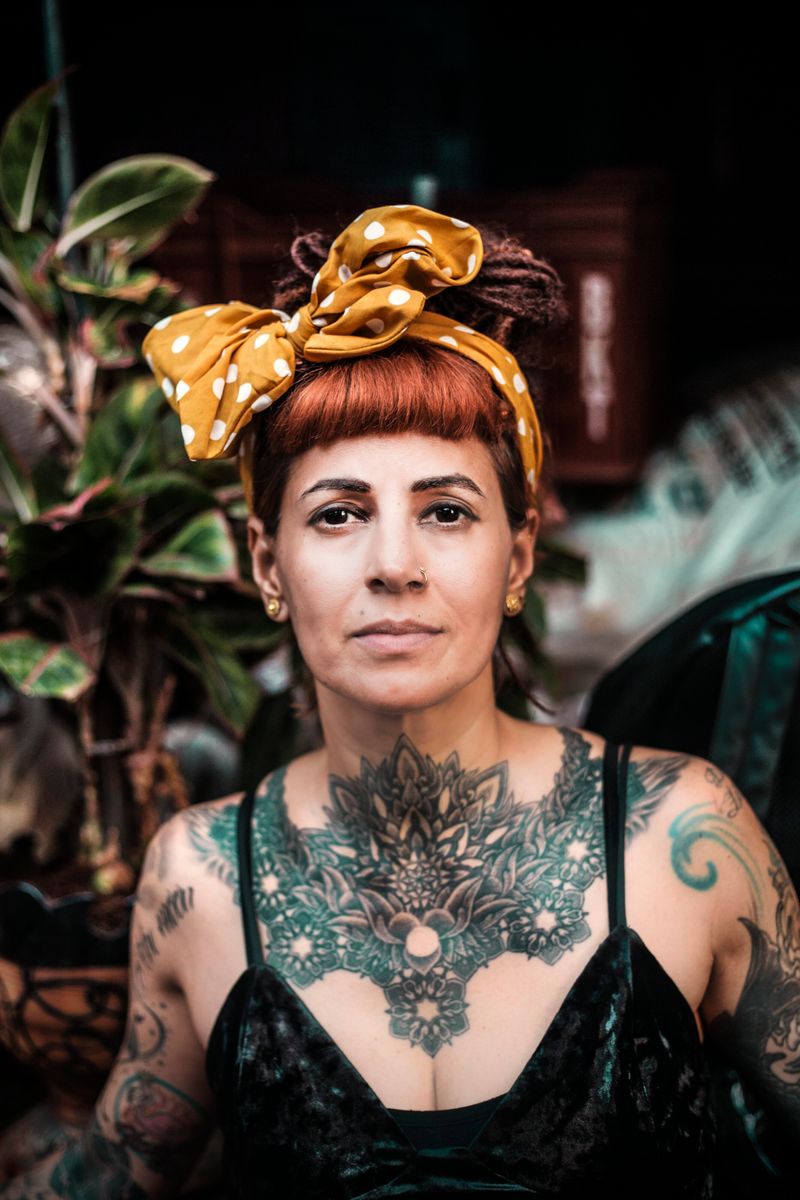
In a country where romance and action dominate the box office, filmmaker and festival founder Sapna Bhavnani has been quietly — and fiercely — building a space for witches, spirits and the strange. Dressed almost invariably in her signature gothic black, striking tattoos and an unapologetic edge — she looks every bit the high priestess of the cinematic coven she has created. The sixth edition of the Wench Film Festival (February 19-22 in Kolkata; February 26-March 1 in Mumbai) is not just another genre showcase; it is a statement of intent.Long before she turned to horror, Sapna was one of India’s most recognisable celebrity hairstylists. That entrepreneurial chapter would later prove crucial. When she pivoted to independent filmmaking — and eventually to founding Wench. Over the years, as sponsors remained elusive, she returned to her roots to help fund and sustain the festival. “I did not want to wait for permission,” she says. “If the space didn’t exist, I would build it.”The idea for Wench crystallised when a horror project of hers was selected at the Bucheon International Fantastic Film Festival (BIFAN) market in South Korea — making her one of the first Indian women to achieve that distinction. The experience was eye-opening. “That’s when I realised how far behind we are in genre cinema — especially women,” she recalls. “Globally, horror and fantasy are thriving. But where are our voices? We needed our own space.”Festival with a feminist spineUnlike many festivals that relegate women filmmakers to a token sidebar, Wench flips the script. The 2026 edition features 54 films, 33 directed by women. Even films programmed in the “men’s section” must have women in key creative roles to qualify. The approach is both radical and pragmatic. In just six years, Wench has grown from a self-funded experiment into an internationally recognised indie genre platform. It has forged alliances with global powerhouses such as Fantastic Fest and Fantasia International Film Festival and is now part of the Meliès Federation of Fantastic Film Festivals, which opens pathways to the Fantastic Pavilion at the Cannes Film Festival. “This year, we’re planning something big at Cannes,” Sapna teases, careful not to reveal more. Her approach remains characteristically independent. “The minute it becomes about big film stars, it kills the festival,” she says. “It’s about indie cinema.”From scarcity to surgeWhen Wench first began, there were barely enough Indian genre films to curate. Early editions leaned heavily on international programming. But the act of creating a platform has had a ripple effect. This year, the festival hosts 20 Indian films and had to turn away many more. “You build it, they will come,” Sapna says with a laugh. Beyond the annual festival, Wench now organises monthly screenings, pop-culture gatherings and more. Invitations are pouring in from other Indian cities, though Sapna jokes she may need “more witches” to expand operations.Taking Indian spirits globalSapna’s own short film, Landfills of Desire, screens at this year’s edition. Shot during lockdown in Kashmir, it explores the folklore of the Rantas — local witches largely unknown outside the region. The film previously premiered at Fantastic Fest, introducing international audiences to a distinctly Indian mythos. “In the West, they have Dracula and their witches. We have ours too,” she says. “The world needs to know our ghosts, our spirits.”Her fascination with the unseen is lifelong. As a child, she says, she was never afraid of spirits. “It was always natural for me,” she shrugs. Horror, rather than romance or realism, felt instinctive. Before Wench, she directed music videos for artists including Kailash Kher and her feature Sindhustan travelled to 24 festivals, winning multiple awards. Yet it is horror she describes as her true home. One early Wench moment has already entered festival lore: during a screening of filmmaker Aruna Raje’s cult classic Gehrayee, the lights went out mid-exorcism scene at Whistling Woods Studio. Backup generators failed. The audience waited outside — and then returned to finish the film. “The spirits are with us,” Sapna laughs. “So this festival will never die.”The road aheadWith global demand for genre content rising — fuelled by series such as Stranger Things — Sapna believes Indian storytellers are ready to claim their space. International programmers increasingly approach Wench for recommendations, recognising it as India’s most focused platform for horror, sci-fi and fantasy. “We own the spirit space,” she says, smiling.