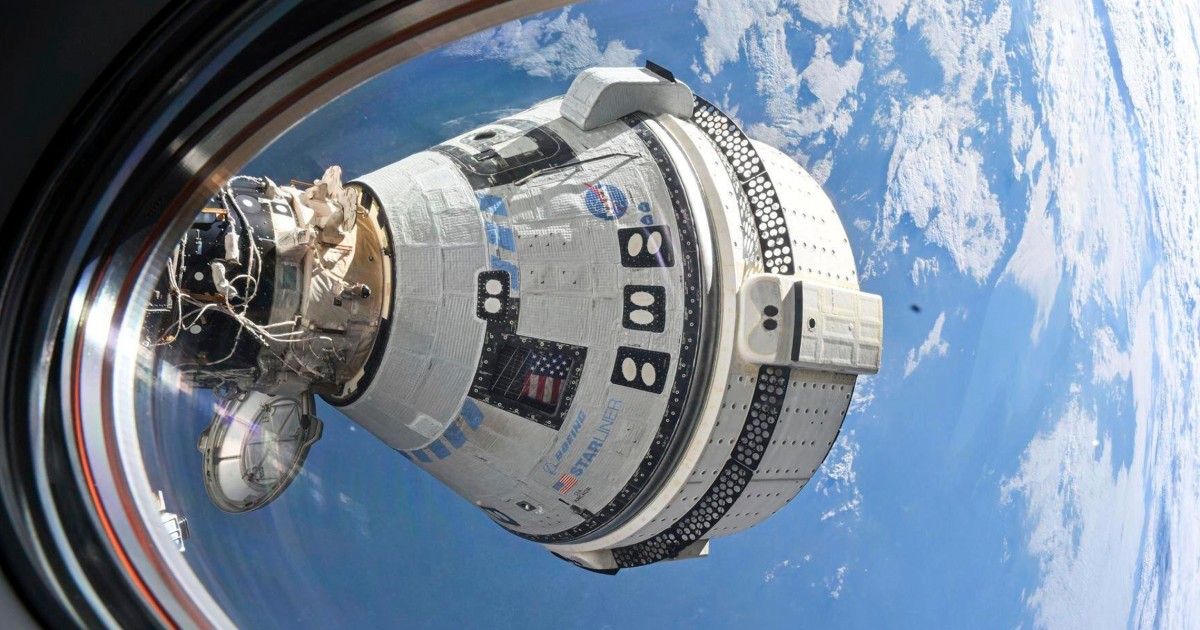
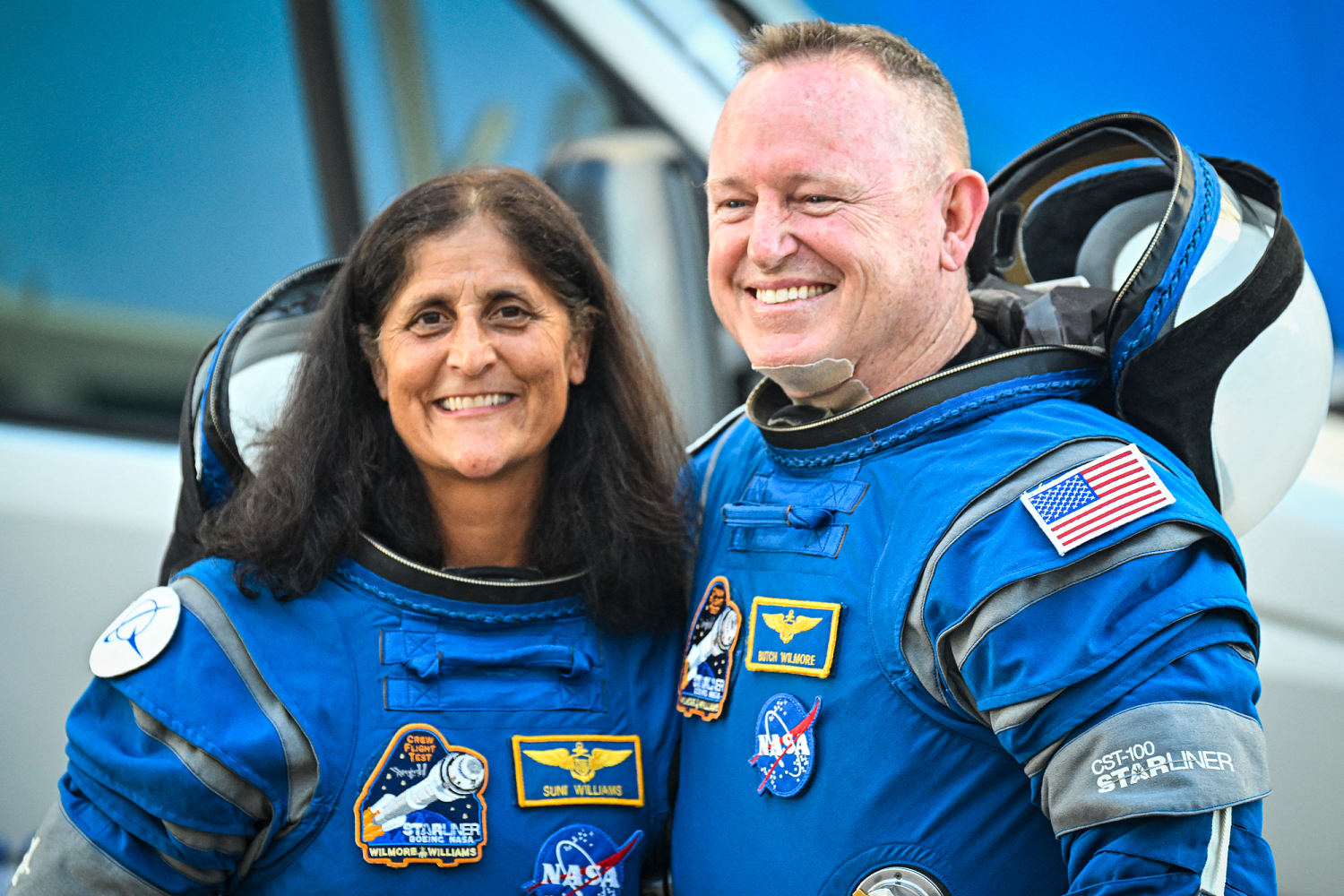
NASA on Thursday released the results of its investigation into Boeing’s bungled 2024 flight to the International Space Station, which stranded two astronauts there for months. The findings were damning for both Boeing and NASA, describing inadequate testing, breakdowns in communication and leadership failings on both sides.The report classified the events as a “Type A mishap” — NASA’s most severe designation, reserved for incidents that result in significant financial loss or serious risk to the crew, including possible death. The loss of the space shuttle Columbia and its seven-person crew in 2003 got the same designation.“We returned the crew safely, but the path we took did not reflect NASA at our best,” NASA Administrator Jared Isaacman said Thursday at a news briefing, adding that the incident created a “culture of mistrust.” Isaacman, who was sworn in in December, did not lead the agency when the mishap occurred.The Starliner mission was meant to last roughly eight days and demonstrate that Boeing’s Starliner spacecraft was ready to begin shuttling NASA astronauts to and from the International Space Station. On what was considered a test flight, it launched in June 2024 carrying two NASA astronauts — Butch Wilmore and Suni Williams. Shortly after the launch, however, mission managers detected helium leaks in the capsule’s propulsion system, and then several thrusters malfunctioned as the spacecraft tried to dock with the space station.Weeks of tests followed; in the end, NASA opted to fly the Starliner capsule back to Earth without anyone onboard. Wilmore and Williams remained at the International Space Station for more than nine months as they awaited an opportunity to fly home on a different spacecraft. NASA astronauts Suni Williams and Butch Wilmore at Cape Canaveral Space Force Station, Fla., before boarding the Boeing CST-100 Starliner in 2024.Miguel J. Rodriguez Carrillo / AFP – Getty Images fileNASA’s blistering report painted a dramatic picture of intensifying mistrust between NASA and Boeing, “chaotic meeting schedules” as the mission played out and perceptions of managers on both sides “as overly risk-tolerant and dismissive of dissenting views.”The findings focus heavily on Boeing’s shortcomings in building and testing the Starliner spacecraft, though Isaacman said NASA and its Commercial Crew Program shoulder part of the blame.“While Boeing built Starliner, NASA accepted it and launched two astronauts to space,” he said in a statement, adding that the agency must “own our mistakes and ensure they never happen again.”Associate NASA Administrator Amit Kshatriya went even further, saying NASA’s and Boeing’s actions had put Wilmore and Williams at risk.“The agency failed them,” Kshatriya said at the news briefing. “And even though they won’t say that, we have to say that. We have to recognize that our responsibility is to them and to all the crews that are coming and to the crews that we’re about to go fly.”Boeing said n a statement: “We’re grateful to NASA for its thorough investigation and the opportunity to contribute to it. In the 18 months since our test flight, Boeing has made substantial progress on corrective actions for technical challenges we encountered and driven significant cultural changes across the team that directly align with the findings in the report.”To bring Williams and Wilmore home, NASA called on SpaceX to fly them in one of its Dragon capsules, alongside NASA astronaut Nick Hague and Russian cosmonaut Aleksandr Gorbunov, who were wrapping up a roughly six-month mission at the ISS. The group landed safely in March.Boeing’s Starliner spacecraft docked to the International Space Station, on July 3, 2024.NASA via APWilmore retired from NASA in August after 25 years. He had accumulated 464 days in space. Williams announced her retirement last month, after 27 years and 608 days logged in space.In late 2024, NASA officials said they were working with Boeing on modifications to the Starliner’s thrusters. With the release of the investigative report, NASA said corrective actions will be taken.Isaacman said Thursday that NASA “will not fly another crew on Starliner until technical causes are understood and corrected.” Boeing developed its Starliner spacecraft under NASA’s Commercial Crew Program, an initiative launched in 2011 to support privately built space vehicles to fill the gap left by NASA’s retired space shuttles. Rival company SpaceX developed its Crew Dragon spacecraft as part of the same program and has been conducting routine flights to and from the space station since 2020.The NASA report is the latest in a series of high-profile setbacks for Boeing. Before the 2024 Starliner mishap, its aviation arm came under fire after a panel blew out midflight on one of its 737 Max 9 airplanes. The 737 Max had previously been grounded after two crashes in 2018 and 2019 killed all onboard.Boeing’s Starliner program has been bumpy from the start. The Starliner capsule’s uncrewed debut flight in 2019 was cut short after software glitches prevented the vehicle from docking at the space station. Subsequent fuel valve issues caused several delays before Boeing demonstrated in 2022 that the Starliner could successfully dock at the ISS and return to Earth.