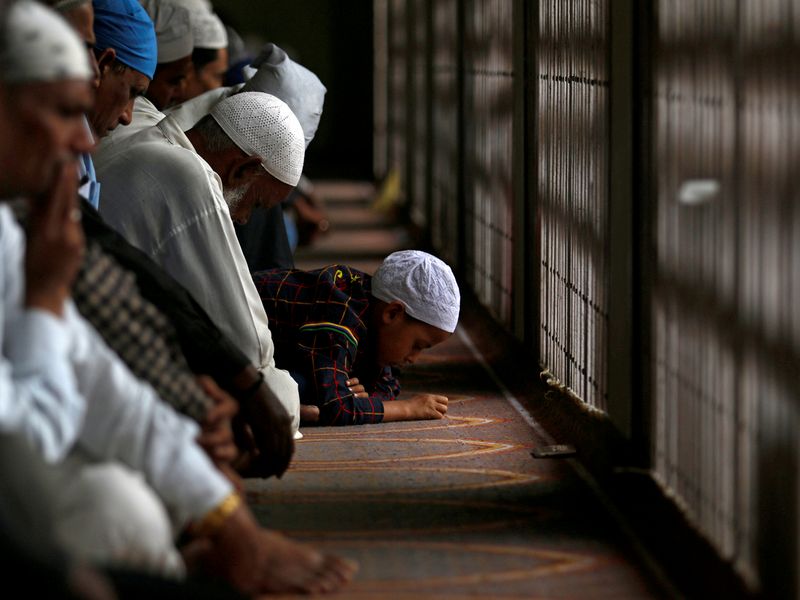
By Binod Prasad AdhikariKathmandu [Nepal], February 20 (ANI): Nepali Muslims gathered at mosques across the country to offer prayers on the first Friday of Ramadan, the holiest month in Islam.In Kathmandu, a large number of worshippers congregated at the Kashmiri Mosque near Ghantaghar to perform namaz. Similar gatherings took place in mosques nationwide as they observed the religious occasion.During Ramadan, Muslims observe a month-long fast, refraining from food and water from sunrise to sunset while dedicating time to prayers.The holy month of Ramadan is believed to be the period when the Quran was revealed. Observing the fast (Roza) is considered an act of devotion that brings blessings from Allah.”From yesterday (February 19) the Ramdan has started. For about 30 days we observe Roza (fast) depending on the phases of the moon. For a month we undergo Roza, the details to be followed at the time has been mentioned in the Quran. Allah has given instructions and responsibilities to be followed at the time of Roza in the Quran, all the religious scriptures were written during this time only. It has defined as the process to stop consuming foods or drinks during the day time as Roza (fast), in the night we have Sehri, it usually goes from 3 to 5am on daily basis,” Abdul Mobin Alam, one of the attendee of the first Friday Namaz in Kathmandu told ANI.Ramadan, the ninth month of the Muslim calendar, is one of the most sacred times as the month is believed that the Quran came down to the earth from heaven for the very first time. The holy Quran is regarded “a guidance for men and women, a declaration of direction, and a means of salvation.”For an entire month, Muslims follow a schedule of waking up early which they call it ‘Sheheri’ and by 4:45am have food then after fast for the whole day- not even drinking a drop of water. They perform Namaz five times in a day.The early morning prayer is known as Fazar followed by Zohar in second, Ashar in third, Magrit in fourth and the final one- Isha. The day long fast (Roza) ends after Magrit which usually falls after 6pm or later in the evening.At the end of Ramadan, Eid al-Fitr celebrates the breaking of the fast. Friends and families gather for festive meals and exchange gifts. Special gifts are also given to the poor. It is also believed that fasting during the month of Ramadan is one of the Five Pillars of Islam. (ANI)(This content is sourced from a syndicated feed and is published as received. The Tribune assumes no responsibility or liability for its accuracy, completeness, or content.)