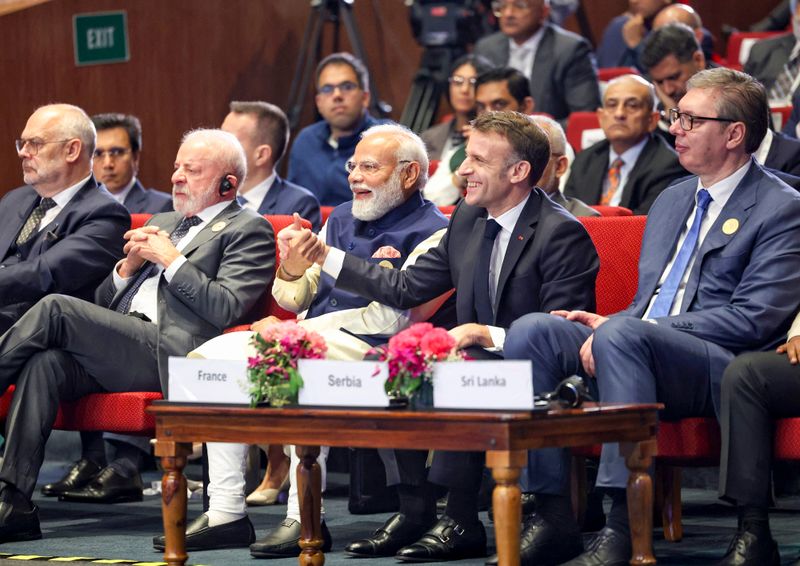
After five days on the ground at the India AI Impact Summit from February 16 to 20, one thing was unmistakable: artificial intelligence has moved from conference-room jargon to everyday conversation in India.Hosted at the iconic venue of Bharat Mandapam, the summit drew over five lakh attendees, 100-plus global AI leaders and delegations from 118 countries, according to the government. Over 20 heads of government and 59 ministerial representatives attended the inauguration, underscoring New Delhi’s attempt to position itself as the voice of the Global South in the AI era.Prime Minister Narendra Modi inaugurated the India AI Impact Expo on February 16 and joined global tech honchos for key sessions on February 19. His pitch was clear. India will chart its own “sovereign and responsible AI” path, rather than choose between Washington and Beijing.The government claimed tangible outcomes. Infrastructure-related investment pledges crossed $250 billion, including major commitments from Indian conglomerates. Deep-tech venture commitments of around $20 billion were also announced. Partnerships were unveiled between global AI firms and Indian IT majors, including OpenAI’s collaboration with the Tata Group on data centre capacity and Anthropic’s partnership with Infosys, alongside the opening of a new India office.For India’s vast IT services industry, the summit provided momentum. Executives spoke of AI sharply lowering the cost of doing business and accelerating startup formation. Young participants thronged sessions, some anxious about job disruption, others already building AI tools and services. Over 2.5 lakh students participated in AI-related engagements.Yet the summit was as much about constraints as clout. Logistical hiccups like overcrowding, traffic snarls and last-minute changes in media access frustrated many delegates. Even high-profile attendees reportedly faced security bottlenecks during the Prime Minister’s visits. Union IT Minister Ashwini Vaishnaw publicly apologised for early “problems”, acknowledging the organisational strain of hosting one of the world’s largest AI gatherings.Controversies added to the drama. Galgotias University faced backlash after a robotic dog displayed at its pavilion was identified online as a product of Chinese firm Unitree. A lighter, yet viral, moment came on stage when Open AI CEO Sam Altman and Anthropic’s Dario Amodei declined to hold each other’s hands during a group photo with Modi and other tech leaders. The moment symbolised the intense rivalry shaping the global AI race.There were also notable absences and withdrawals, including last-minute cancellations by global tech figures. Many CEOs privately suggested the event could have been more industry-led and less geopolitical in tone. But the broader picture was clear. Despite chaos on the ground, India successfully inserted itself into the centre of the global AI conversation. It achieved what it set out to do — draw the world’s AI heavyweights to India and extract concrete commitments. The event showcased that India will be a defining arena in the AI age.