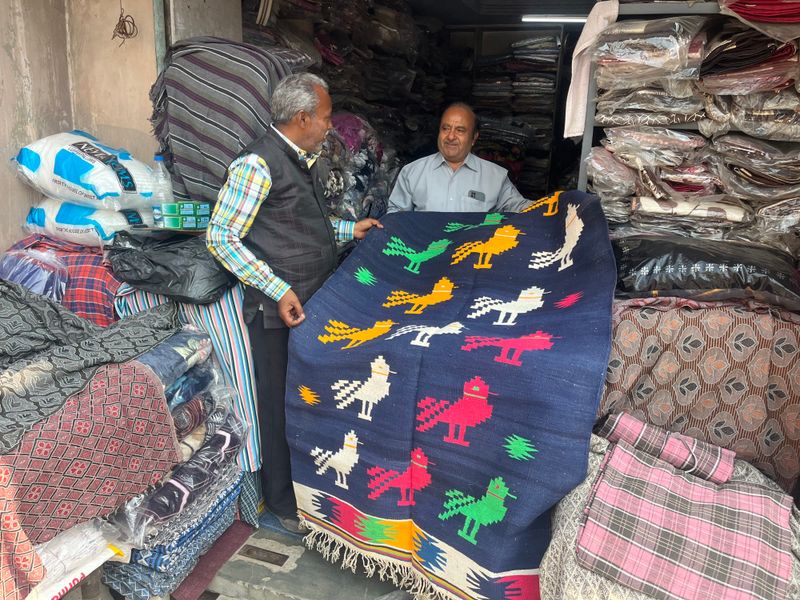

The hand-woven carpets and cotton mantle, known as “khes and dari” in the local dialects, are finding scarce takers even in rural areas as people’s preferences continue to evolve.Once considered essential in rural households, be it for everyday use or for gifting, they are often found lying as “buffer stock” at private khaddar stores.Back in the day, most in rural households would know how to use pit-looms or “panjas” to weave these items. However, the art seems to be fading as blankets and quilts have replaced the hand-woven khes and mattresses are used in place of rugs.Pardeep Kaushal, who owns a khaddar store, says there are no takers for the hand-woven products now.“We used to get unused pieces of the pit-loom products for sale from urban families. Now, even rural families are among those selling these,” he says, adding that the elderly were often upset with the throwaway prices these products fetch now.Kaushal claimed that khaddar store owners were still in the trade to try and save the traditional products from disrespectful disposal, and to maintain a rapport with their clients.Shanti, a native of Pohir village in Ludhiana, said steps should be taken to prevent extinction of the traditional art to preserve the cultural heritage once crafted in varied designs of these articles.“One can get an idea about the craftsmanship and vision of rural women of old times by looking at masterpieces, which are either lying buried in wooden boxes at home or waiting for their prospective owners at stores,” says Shanti, adding that colour combinations, designs and the embroidery on these carpets often highlighted flora and fauna of the region. The birds, animals, plants, flowers, fruits and vegetables woven into these carpets were representative of the concern people had for preserving the environment.Procurement of raw material and processing of hand-spun cotton thread, dyeing and manufacturing and repair of paraphernalia promoted inter-dependence and mutual respect.Kuldeep Kaur, a resident of Ram Sharnam area, expresses regret that a set of carpets and coverlets she had presented to her niece for the latter’s marriage was lying idle at her home. She says most of the young women did not show any interest in the handmade products.The elderly show concern over the fading tradition. They say mass migration, shift from traditional subsistence-based lifestyle and easy availability of industry-based products are among the primary factors behind the traditional art having lost its sheen.The people urged the government, state and Centre, to rope in social and cultural organisations for holding workshops and exhibitions for displaying articles of traditional rural art.