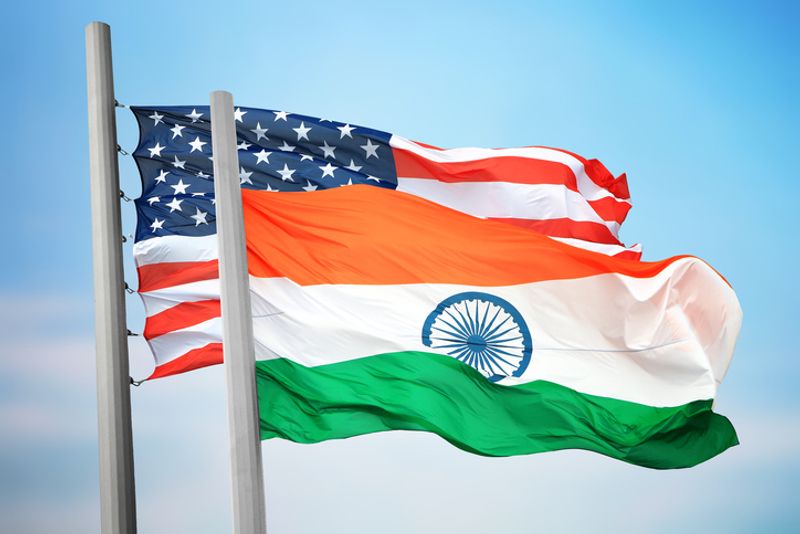

Separate agreements between India and the US on sharing military logistics and on using encrypted communication, do not automatically ‘repose’ anything on India to join the ongoing conflict in West Asia, or help the US with logistics or surveillance.New Delhi, on its part does not want to be seen taking sides, in the conflict between its civilisational partner Iran and its strategic partners Israel and the US.In 2016, India and the US inked the Logistics Exchange Memorandum of Agreement (LEMOA), facilitating a pact enabling reciprocal, case-by-case logistical support (refuelling, supplies and repair) between India and the US, strictly for agreed-upon activities like exercises and port calls.However, it does not mean anything is automatic and does not obligate access, requiring mutual consent for each instance, preserving strategic autonomy. The LEMOA is not an automatic, binding agreement to provide support and it does not lock India into a military alliance or force compliance with the US’ military operations.The two nations also signed the India-US Communications Compatibility and Security Agreement (COMCASA) in 2018. It facilitates the transfer of high-end, encrypted communication equipment from the US to India. It too is not automatic; and does not mandate, oblige or guarantee immediate supply of technology or logistical support. COMCASA allows the Indian forces to use secure, encrypted data links and communication systems on the US-supplied platforms.According to the sources, the agreements between India and the US don’t kick in automatically and a request, if any, is handled on a case-to-case basis. They added that India has not received any such request from the US seeking New Delhi’s help with the logistics so far.The agreements don’t mean a US plane can land here and seek refuelling or supplies that too during a conflict. Same is the case with sharing encrypted communication and surveillance on board the US-origin planes and helicopters used by the Indian armed forces. The imagery and data is not shared, said the sources.Meanwhile, India uses the US-made planes, the P-8I for its Navy and the special operations planes, C-17 and C-130, for its Air Force. The Indian Navy also uses the US-made submarine hunting helicopter, the MH60R; and has leased two specialised drones, MQ-9B, which along with the P-8I, provide high resolution persistent surveillance at sea. The data from none of these is shared with anyone.The COMCASA and the LEMOA are what the two sides call ‘foundational agreements’. The sources said these agreements do not automatically mean the US forces would intervene and seek data.India has a history of not siding with any US action. During the first ‘Gulf war’ in 1991, Prime Minister Chandra Shekhar had allowed refuelling rights for American military planes flying from Pacific bases to the Persian Gulf, but then the facility was withdrawn. In 2003 when the US and its allies launched another campaign in Iraq, Prime Minister Atal Bihari Vajpayee refused refuelling rights.The Manmohan Singh government in 2014 agreed to pay for arms and equipment from Russia to boost the strength of the Afghan National Army (ANA), but consistently refused to station its troops on ground. Later, the Narendra Modi government also did not agree to join in forces with the US in Afghanistan.