
When two of Indian cinema’s most followed stars chose tradition over trend for their most intimate celebration, it wasn’t merely a wedding — it felt like a cultural reset. At their nuptials, Vijay Deverakonda and Rashmika Mandanna revived a visual language steeped in heritage, reminding a generation raised on minimalism that maximalism — when anchored in craftsmanship — never truly goes out of style.
Wedding that reclaimed maximalism
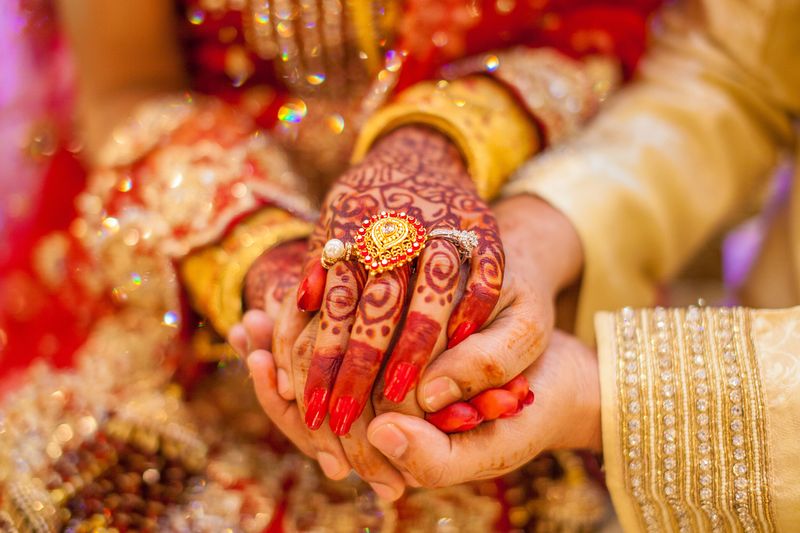
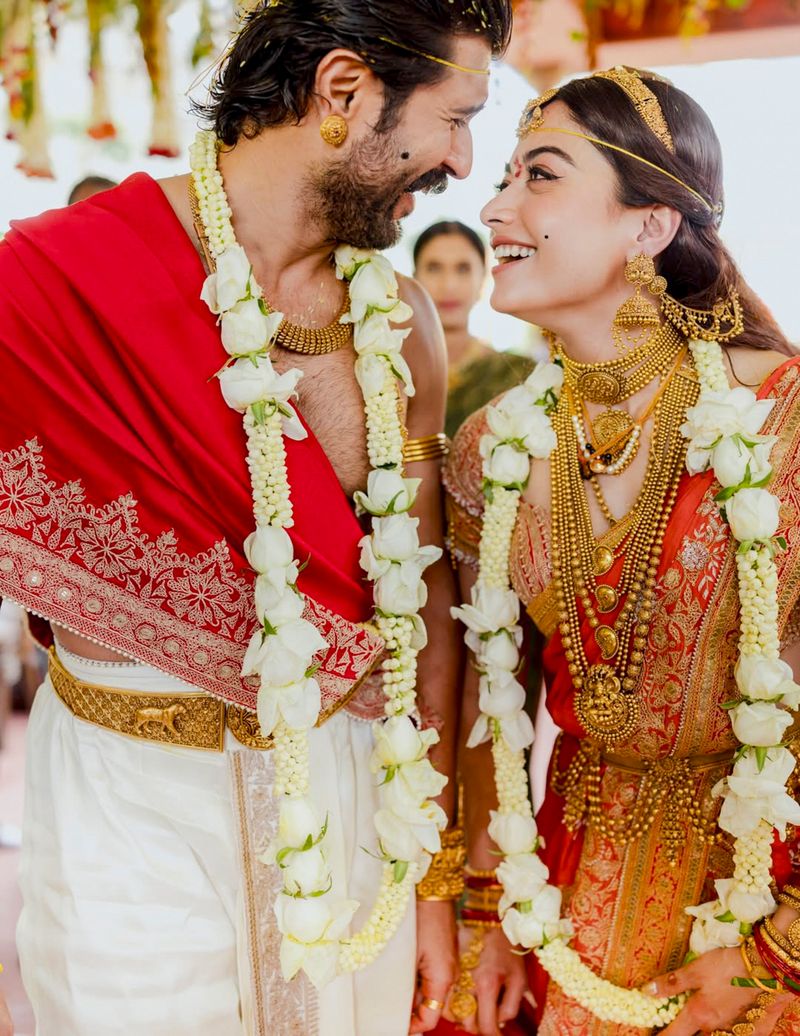
Draped in antique gold, temple-inspired motifs and heirloom silhouettes, the couple transformed their ceremony into a celebration of legacy. Rashmika’s bridal look — layered harams, sculpted chokers and intricate jhumkas — felt regal yet relevant. Vijay matched her aesthetic with equal conviction. In layered gold necklaces, oversized ear studs, a bold bajuband, arm cuff, ring and even ankle kadas, he redefined groom styling. The striking detail of scarlet alta on his hands and feet blurred traditional boundaries and underscored the ceremonial depth of the moment. While Vijay shunned gold from their sparkling Hyderabad reception, Rashmika dazzled once again in gold donning an elaborate necklace, ornate waistband, hanging earrings and bangles with coordinating hathphool.
The permanence of legacy
Heritage jewellery derives its power from what it represents beyond beauty, believes Gunjan Soni, Managing Director, The House of MBj. “Heritage jewellery remains relevant today because it offers something beyond ornamentation; it carries legacy, craftsmanship and emotional value. In a fast-moving world of fleeting trends, heritage pieces embody permanence and identity.”
He explains that traditional techniques refined over generations preserve cultural narratives that cannot be mass-produced. Yet, heritage is not static. “When thoughtfully reinterpreted, they blend seamlessly with contemporary aesthetics, allowing modern wearers to celebrate tradition without compromising on individuality.”
Vandana M Jagwani, founder of Vandals and Creative Director of Mahesh Notandass, sees relevance through evolution. “What was a new idea and innovation at that time, over the years it becomes heritage. Today, what we are building is the heritage for the future.”
For her, adaptation is essential. “Brides are looking for meaning, not just adornment. These pieces offer permanence, history and identity while still being restyled for modern celebrations.”
Motifs through generations
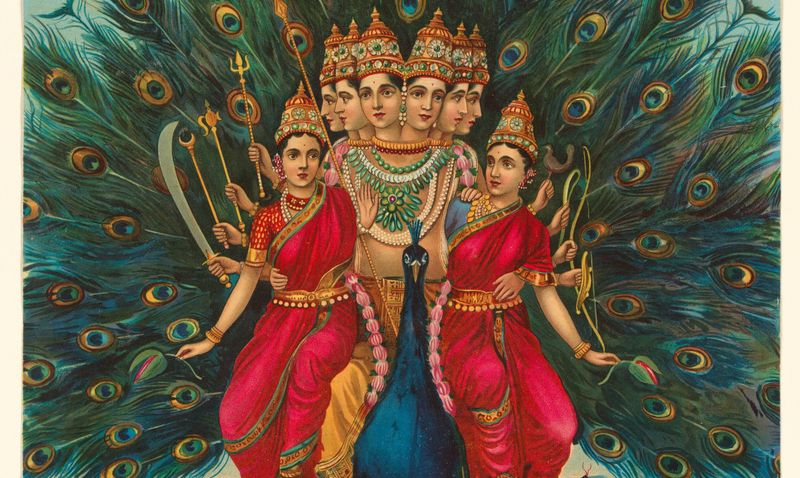
The enduring appeal of heritage jewellery lies in its motifs. Florals like the lotus, paisleys, peacocks, temple-inspired deities and intricate jaali patterns continue to define traditional ornamentation. Techniques such as Kundan, Polki, Meenakari, Jadau and Nakashi shape gold settings adorned with uncut diamonds and precious gemstones. Pieces like ranihaars, chokers, gulubands, jhumkas, maang tikkas, naths, bangles and kamarbandhs evoke old world charm. Jagwani observes that while some motifs feel distinctly Indian — paisley and deity-inspired forms — others such as marquise shapes and pellet detailing appear across cultures. The design language may shift in nuance, but its roots in mythology, nature and architecture remain universal. The motifs endure. The expression evolves.
Sacred craft, modern grace
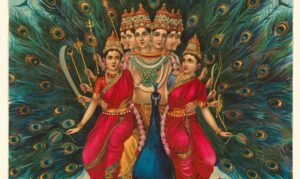
Few forms capture heritage as powerfully as temple jewellery. Originating in South India, it was first created to adorn deities before becoming integral to classical dance and bridal traditions.
“Temple jewellery is defined by its sacred inspiration and traditional South Indian craftsmanship,” says Soni. Crafted traditionally in high-karat gold, it features divine figures such as Lakshmi, Ganesha and Saraswati, alongside lotuses, peacocks, yali and elephants. Techniques like Nakashi hand-carving and repoussé work create sculptural depth, enriched by rubies, emeralds, pearls and antique finishes. While historically made in 22-carat gold, contemporary interpretations now appear in lighter variations and occasionally incorporate polki elements. Even without explicit deity motifs, antique finishing and architectural detailing define the style.
Heritage as modern statement
The wedding of Vijay Deverakonda and Rashmika Mandanna reaffirmed a compelling truth — heritage jewellery does not belong to the past. It belongs to the present. It lives in layered harams chosen over minimalist diamond lines, in sculpted chokers echoing temple carvings, and in artisans preserving centuries-old techniques while designers reinterpret them for modern celebrations. Legacy, after all, is never outdated. It simply waits to be worn again.