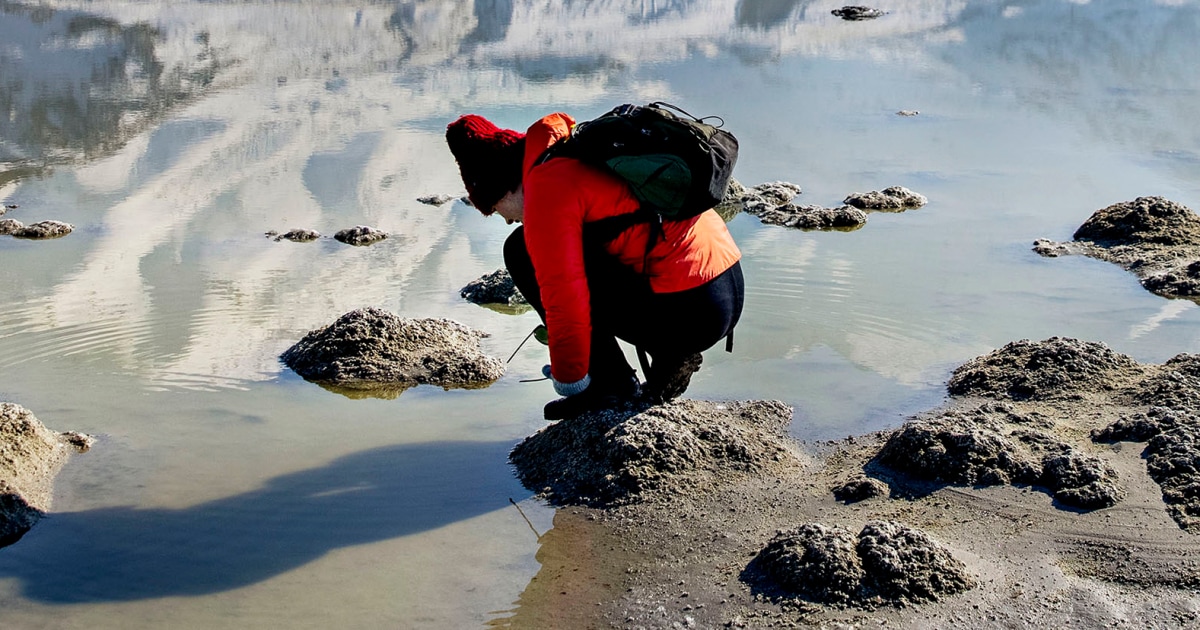

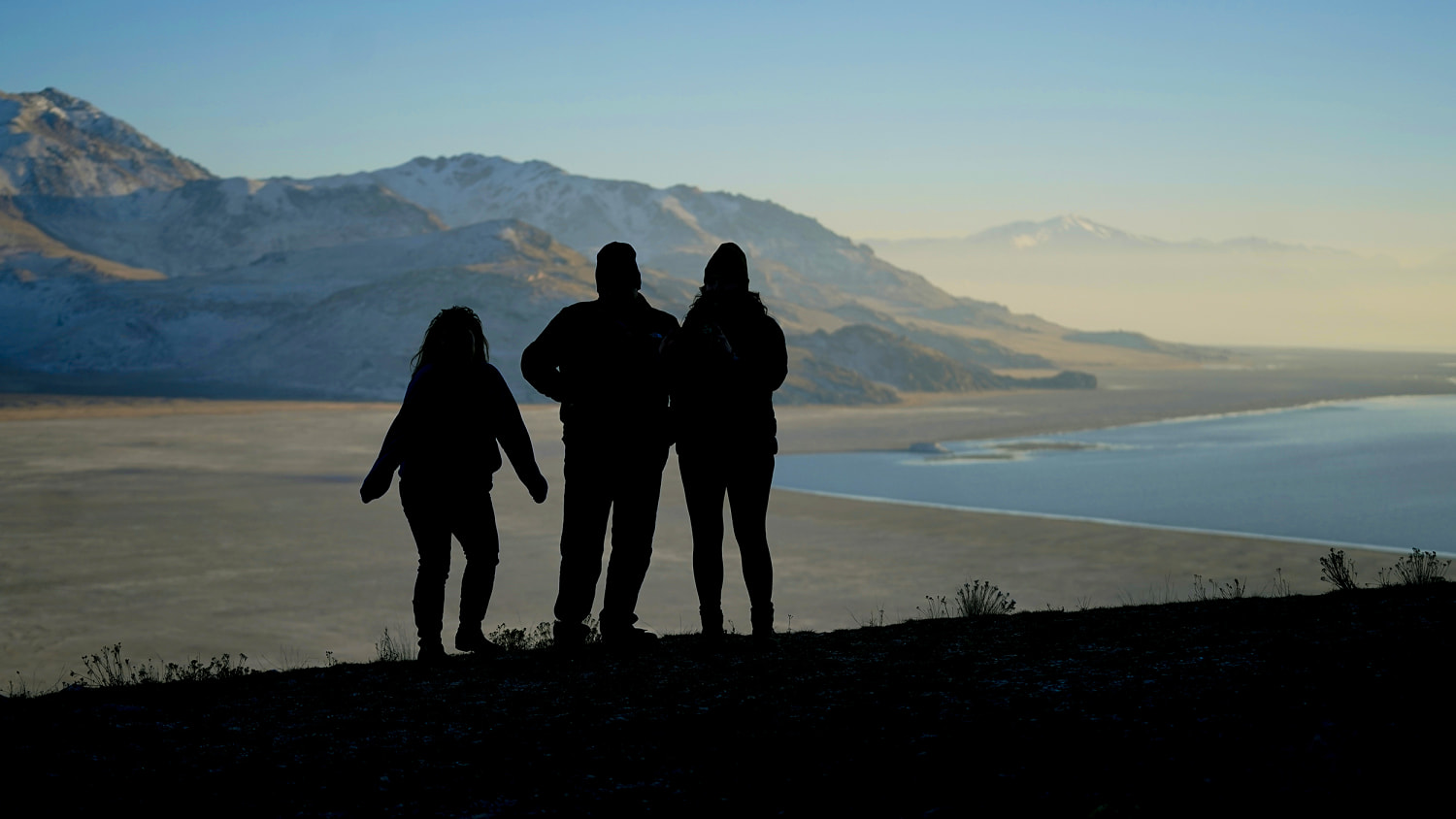
Long-term drought played a role in the lake’s decline, but about 75% of the problem was human-caused, according to research published in 2022: People had simply been taking too much lake water for decades.State officials got serious about intervention in 2022. Lawmakers created a $40 million water trust to boost water quality and quantity. They changed Utah water law to designate it a “beneficial use” for farmers to let their allotment flow to the lake, incentivizing donations and water transfers. (Before the change, unused water rights could be lost.) State officials also raised a berm along a causeway separating the north and south arms of the lake to give them control over the flow of water and salt between the two. Then, fortuitously, twice as much snow fell in the mountains that winter as usual. Together, those two factors “basically saved the lake” by lowering its salinity, said Kevin Perry, a University of Utah atmospheric scientist who researches the Great Salt Lake and its toxic dust.“They filled up and diluted all the salt in the southern part of the lake with that huge snowpack,” he said. Species returned. “The flies this year were just robust,” Baxter said. It was enough to avert crisis — at least temporarily.“We have avoided that environmental nuclear bomb,” said Joel Ferry, director of the Utah Department of Natural Resources. “We have put the red button away.” But the water levels have not returned to health, and this year’s dismal snowpack could renew the problems.