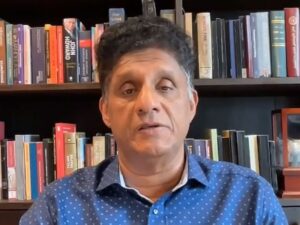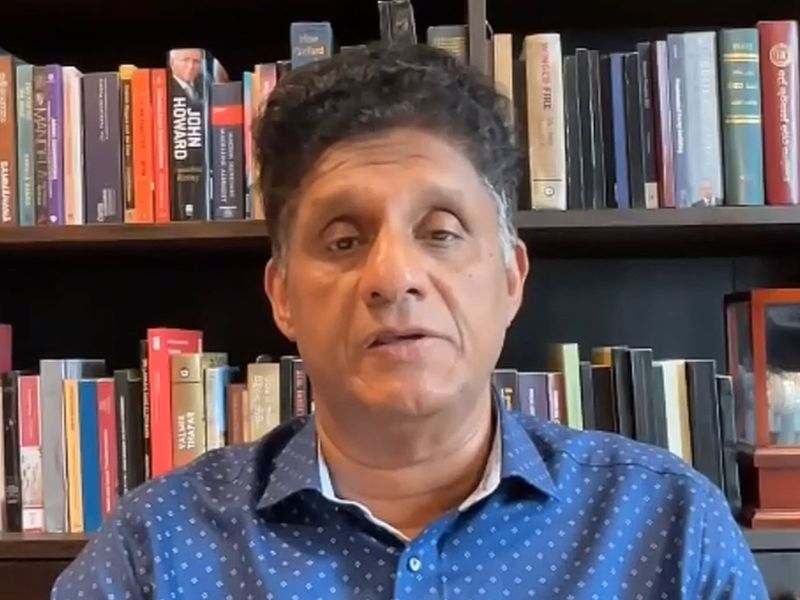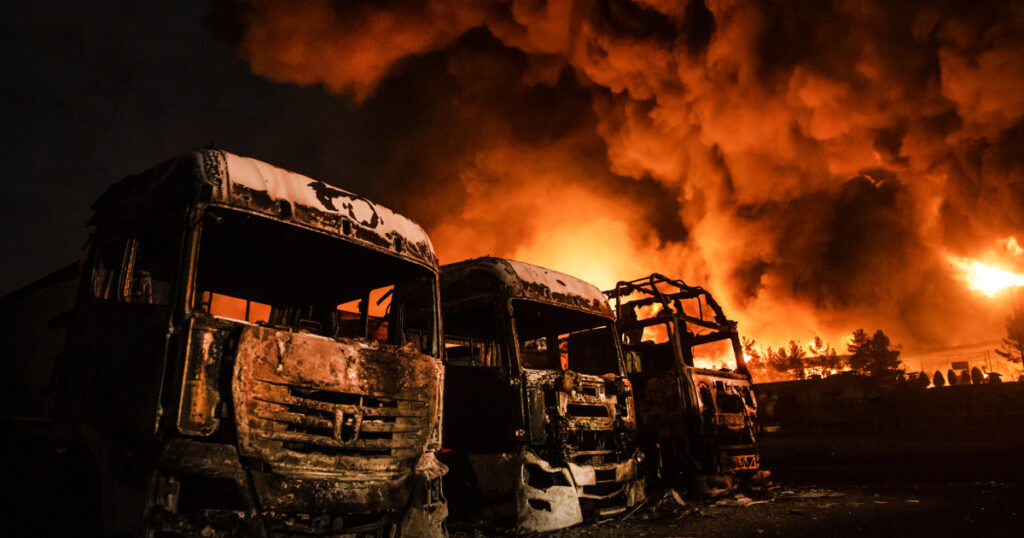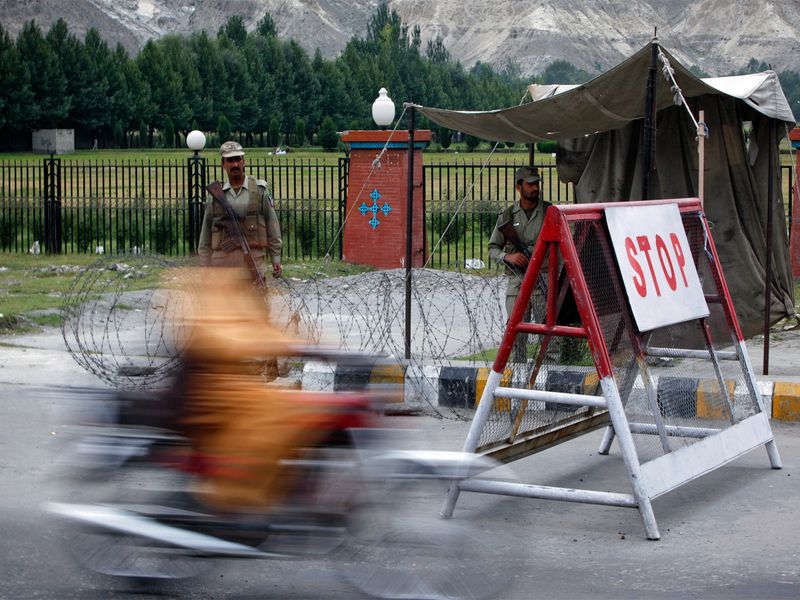

London [UK], March 9 (ANI): London-based political analyst Shabir Choudhry has said that the violent unrest in Pakistan-occupied Gilgit-Baltistan (PoGB) in early March exposes deeper political frustrations in the region and highlights the fragile situation under Pakistan’s illegal occupation.In a blog post analysing the crisis, Choudhry argued that the unrest cannot be explained solely by reactions to international events. He said the intensity of the protests also reflects long-standing political grievances among residents of Gilgit-Baltistan.Choudhry wrote that the protests initially erupted after Iran’s Supreme Leader, Ali Khamenei, was killed in the US-Israel strikes in the Gulf country on February 28, but quickly escalated into deadly clashes between demonstrators and Pakistani security forces.According to him, thousands of protesters gathered on March 1 in cities including Gilgit and Skardu, condemning the strikes on Tehran and expressing solidarity with Iran. Demonstrators reportedly waved red flags and raised anti-US and anti-Israel slogans.Choudhry noted that the situation turned violent when security forces moved to disperse the crowds. Citing eyewitness accounts and media reports, he claimed that live ammunition was used during the confrontation, leading to multiple fatalities and injuries.”The clashes resulted in the deaths of several protesters, including young demonstrators, while many others were wounded,” Choudhry wrote, adding that the death toll in Gilgit-Baltistan was reported to be between seven and fifteen.Following the violence, authorities imposed strict curfews in Gilgit and Skardu, suspended communications in some areas and deployed additional security forces across the region.According to Choudhry, political groups in PoGB have repeatedly raised concerns about limited representation, governance issues and control over local resources. These grievances have led to periodic protests demanding greater political rights and administrative autonomy.He also pointed out that Pakistan’s complex geopolitical position–balancing ties with Western countries, Iran, China and Gulf states–often complicates domestic stability when global conflicts influence local sentiments.Choudhry concluded that the crisis demonstrates how international developments can trigger instability in politically sensitive regions where unresolved political issues already exist.”The tragedy in PoGB shows how global geopolitical conflicts can ignite local tensions in regions with long-standing political grievances,” he wrote, warning that similar unrest could recur if underlying issues remain unaddressed. (ANI)(This content is sourced from a syndicated feed and is published as received. The Tribune assumes no responsibility or liability for its accuracy, completeness, or content.)