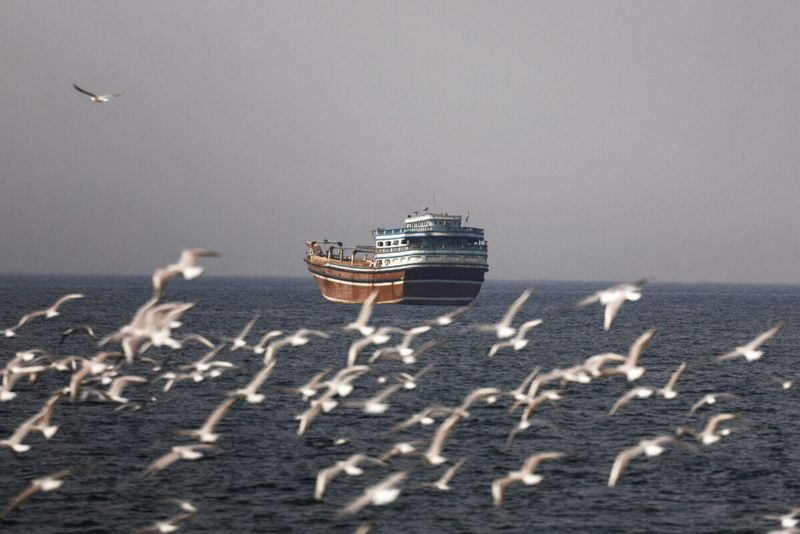

The Strait of Hormuz is one of the most important maritime chokepoints in the world. It connects the Persian Gulf with the Gulf of Oman, and nearly one-fifth of the world’s oil trade passes through it daily. Despite frequent political threats, it is extremely difficult to completely close the Strait.Several factors explain why closing it is so hard:Geographic size and natural featuresThe Strait is about 167-km long and roughly 39-km wide at its narrowest point. While shipping lanes are narrower, the surrounding waters still allow multiple navigation routes. Because of this width, blocking every passage simultaneously is very difficult. Ships can maneuver around obstacles or mines in some cases.International waters and legal protectionMuch of the Strait is governed by international maritime law, which guarantees the right of transit passage for ships of all nations. This means that even if a regional power tries to block it, other countries can legally challenge or intervene to keep the route open.Strong military presenceThe Strait is heavily monitored and protected by powerful navies. Countries such as the United States, United Kingdom, and regional Gulf states maintain naval patrols in nearby waters. The United States Navy regularly operates there to ensure safe passage for commercial shipping.Economic importance to many countriesClosing the Strait would disrupt oil exports from countries like Saudi Arabia, United Arab Emirates, Kuwait, and Iraq. Because the global economy depends heavily on this oil flow, many countries would respond quickly—militarily or diplomatically—to reopen the route.Difficulty of maintaining a blockadeEven if mines, missiles, or naval forces temporarily disrupt traffic, maintaining a blockade for long periods is extremely difficult. Mines can be cleared by specialised ships, and warships can escort tankers through the area. Continuous enforcement would require massive resources.Risk of large-scale warAny attempt to permanently close the Strait would likely trigger a major international conflict. Global powers would intervene to protect energy supplies and freedom of navigation. The high risk of escalation discourages attempts to fully shut it down.Because of its geography, legal protections, international military presence, and economic importance, completely closing the Strait of Hormuz is extremely difficult. While disruptions can occur temporarily, maintaining a full blockade would require enormous military power and would likely provoke a major global response.