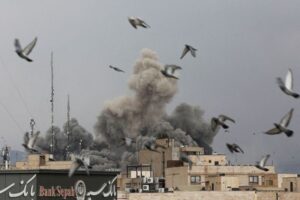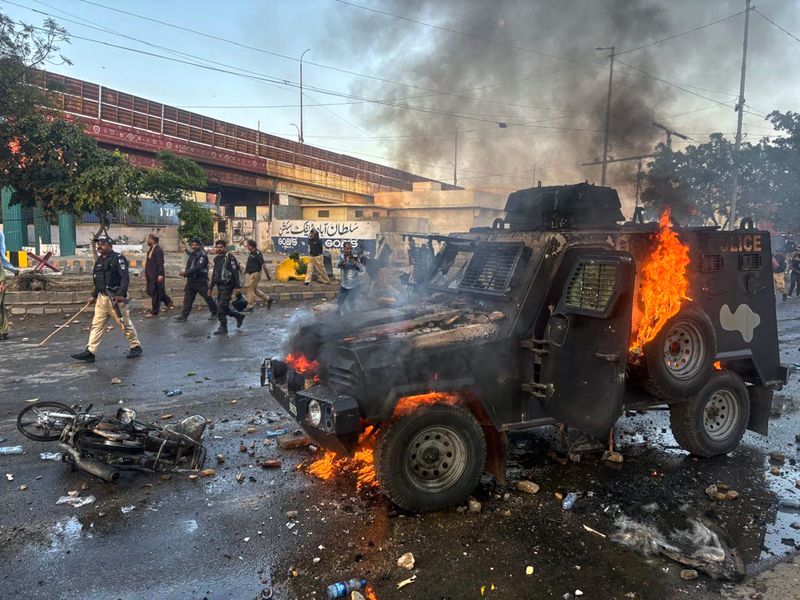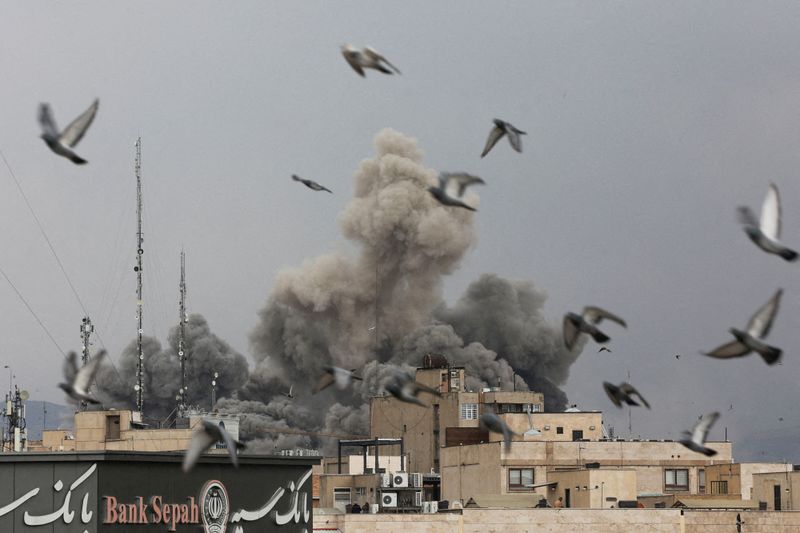

Noted Emirati billionaire Khalaf Ahmad Al Habtoor has sharply criticised US Senator Lindsey Graham for urging Gulf countries to join the United States and Israel in the ongoing war against Iran, saying the region should not be dragged into a conflict that does not serve its interests.In a strongly worded statement posted on social media platform X, Al Habtoor rejected suggestions that Gulf states should participate militarily in the war, warning that such involvement would expose the region to devastating consequences.“We do not need your protection. All we want from you is to stay away from us,” the Dubai-based businessman said, responding to Graham’s remarks calling on Gulf allies to play a more active role in the conflict.Al Habtoor said Gulf countries should not be expected to sacrifice their citizens in a war driven by the interests of external powers, stressing that the lives of people in the region were “more precious than anything in this world”.“If President Donald Trump and Senator Graham are willing to risk the lives of their own people for Israel’s interests, that is their decision. But we will not do the same,” he said.The Emirati businessman also accused Washington of pushing the Middle East towards a dangerous conflict without consulting the regional countries that would bear the consequences.In earlier remarks, Al Habtoor had questioned the US decision to launch military strikes against Iran, asking who had authorised the United States to “drag our region into a war”.His comments came after Graham suggested that Gulf states, including Saudi Arabia and the United Arab Emirates, should contribute more actively to the US-led military campaign against Iran, even hinting that Washington’s security commitments could be reconsidered if regional allies refused to participate.The unusually blunt remarks from Al Habtoor — one of the Gulf’s most prominent business figures and founder of the Al Habtoor Group — reflect growing unease within the region’s business and political circles about the economic and security risks posed by a prolonged war with Iran.Gulf economies depend heavily on trade, investment, and energy exports, and many regional voices have warned that escalation could threaten shipping routes, oil infrastructure, and broader economic stability.The exchange highlights widening differences between Washington and some Gulf actors over how far regional allies should be involved in the conflict as the war between the US-Israel alliance and Iran continues to intensify across the Middle East.