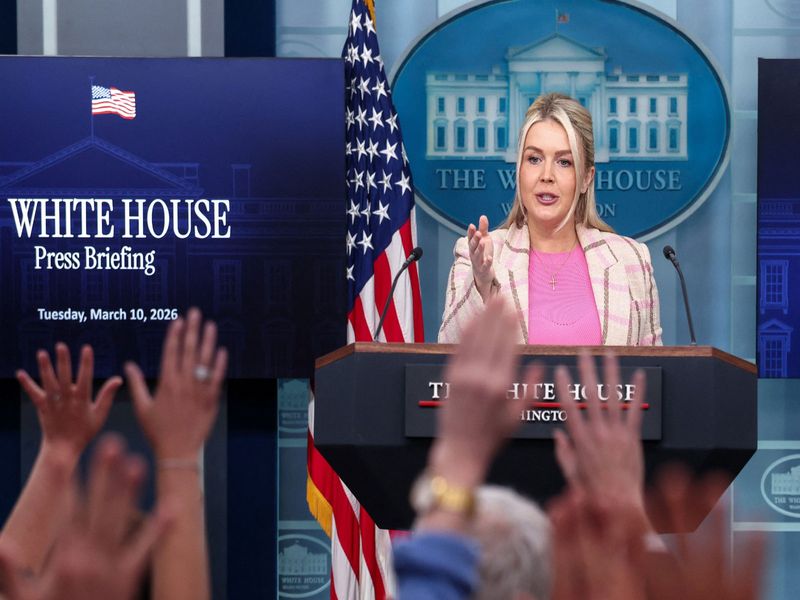

Washington DC [US], March 11 (ANI): White House Press Secretary Karoline Leavitt on Tuesday underlined that the United States had “permitted” India to temporarily purchase Russian oil in the wake of the disruptions to global energy supplies amid the conflict in West Asia.The White House Press Secretary made the remarks during a media briefing on Tuesday.When asked whether she had spoken to the US President about oil-sanction waivers to India in the wake of the developing security situation in West Asia, Leavitt responded, saying that the decision comes as India has been a “good actor” and while the measure is short-term, it will not provide significant financial benefit to Russia.” I have spoken to the President about it and the Secretary of Treasury and the whole National Security team came to this decision because our allies like India have been good actors and previously stopped buying sanctioned Russian oil. So as we work to appease this temporary gap of oil supply around the world, because of the Iranians, we have temporarily permitted them to accept Russian oil”, Leavitt said.She added, “This Russian oil was already at sea, it was already out in the waters– so this short term measure, we don’t believe it will provide significant financial benefit to the Russian government at this time.”Her remarks come amid heightened tensions in West Asia after the killing of 86-year-old Iran’s Supreme Leader, Ayatollah Ali Khamenei, in joint military strikes by the US and Israel on February 28, following which Iran, in its retaliation, targeted Israeli and US assets in several Gulf countries. The US-Israel strikes also killed several senior leaders of the Islamic Republic.Meanwhile, Trump on Tuesday warned Iran against attempting to disrupt global oil supplies, saying Washington would respond with overwhelming force if Tehran tried to interfere with energy shipments through the strategically vital Strait of Hormuz.As of March 10, 2026, the conflict is in its second week. While U.S. President Donald Trump has made statements suggesting the military campaign is largely “complete” in terms of neutralising specific Iranian military capabilities, he has not yet declared the mission fully accomplished or announced a ceasefire, emphasising that the U.S. has not yet “won enough.”The conflict has expanded beyond Iran, with Iranian retaliatory strikes–using missiles and drones–targeting U.S. military bases, embassies, and civilian/energy infrastructure in neighbouring Gulf nations, including the UAE, Saudi Arabia, Qatar, Kuwait, Bahrain, and Jordan.The conflict has caused significant disruptions to global energy supplies, particularly around the Strait of Hormuz, where approximately 20% of the world’s oil transits. (ANI)(This content is sourced from a syndicated feed and is published as received. The Tribune assumes no responsibility or liability for its accuracy, completeness, or content.)