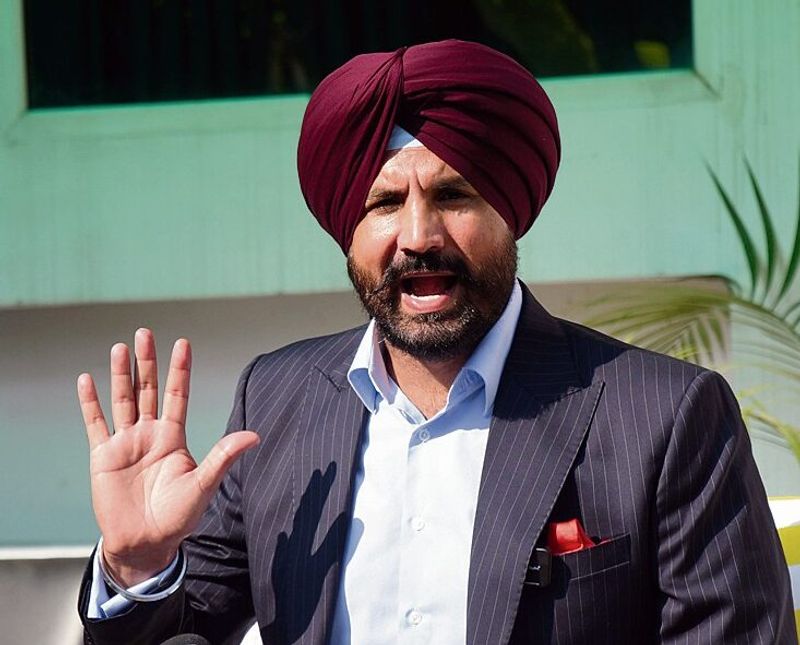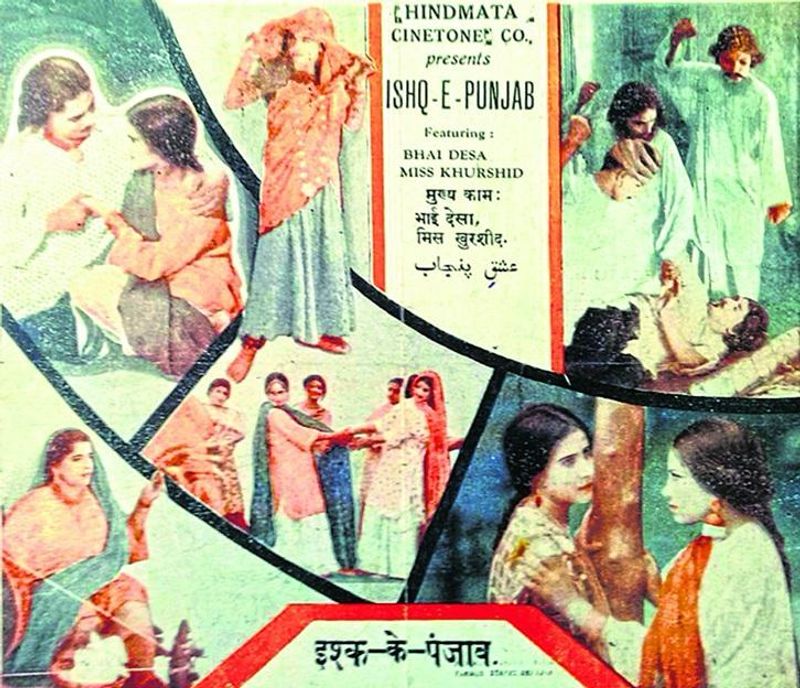

He’s ransacked archives, dug out distributors, coaxed disillusioned, elderly filmmakers out of silence, struck deals to procure old posters/brochures-all to chart a history of Punjabi Cinema—which otherwise would have languished in obscurity.75-year-old Bhim Raj Garg, historian, author, foremost authority on Punjabi cinema, was once chided by a disillusioned KD Verma-the father of Punjabi cinema—for his ‘meaningless’ pursuits’ into forgotten eras.However, Garg went on to produce his celebrated book “The Illustrated History of Punjabi Cinema (1935-1985)”. A retired employee of the Reserve Bank of India, he currently works on a magnum opus on Punjabi cinema (from 1935 to 2025)—a book-cum documentary project involving a series to be aired on Doordarshan.The Tribune caught up with him on a visit to Jalandhar, as he grieved the lost pre-partition Punjabi films (which vanished in post-partition Pakistan) with their big studios set on fire and spoke of the golden era when people queued in bullock carts to watch “Nanak Naam Jahaz Hai” at ‘Chitra Talkies’ in Amritsar.Passion for Punjabi cinema”I grew up listening to Punjabi songs on radio. Songs like “Dar wat zamana kat bhale din avenge” (film – Jugni 1953, singer Mohammad Rafi); “Damdi da sak malke munda moh leya taveetan vala”; “Dana pani khichh ke leyanda kaun kise da khanda” (film Guddi 1961, singer Mohammad Rafi); “Kali Kangi naal kale vaal pai vahniyan”, “Aa mil dhol janiya” (film Lachhi 1971,singer Lata Mangeshkar) and others. Back then, on radio they announced only singer’s name, neither film, nor music director, lyricist etc. My pursuit into Punjabi cinema began with the search for answers on those creating this world.””I ransacked Censor Board’s office in Mumbai (found only lists), National Archives, Pune, and FICCI’s lists when it celebrated 50 years of Indian cinema, scurried though brochures, resources, friends, distributors, film makers. Through friend Feroze Rangoonwala, I found a dealer who sold me 10 booklets on Punjabi films from 1935-40. Back then I paid Rs 10,000 for those.”History of Punjabi film”The tragedy with Punjabi cinema is that almost all films from silent era to partition (1947) are gone. There’s no print, brochure, nothing’s left. Four big film studios in Lahore—two run by Pancholis, one by SD Narang and another by Shouries were set on fire during partition, reduced to ashes. Some came to India with couple of prints like Gemini’s ‘Chaman’ which was released here. Rest, all lost. I marvel, from ashes, Punjabi film industry resurrected itself again. Punjabi Cinema started with “Ishq-e-Punjab” alias “Mirza Sahiban”, released in 1935 and two years later KD Mehra’s directorial “Sheila” alias “Pind Di Kuri” created a huge stir. It premiered with pomp at Kolkata-Verma credited with marking beginning of Punjabi cinema, hence the title, Father of Punjabi cinema. Nationally acclaimed, KD Mehra went on to make ‘Heer Syal’ and others.””Back in silent era, no one was interested in Punjabi cinema. Silent Punjabi films started with “Daughters of Today” (1924). In Lahore, theatre (stage) was strong. Eight theatre spaces were converted to Cinema halls in early 1920s, but audience was sparse. Even ‘Light of Asia’ – Himanshu Rai’s international success, was made by aid from a Lahore High Court judge. Gul-E-Bakawali (1939) by Dalsukh M Pancholi was biggest blockbuster of the times, with Pancholi earning 15 lakhs in profits—huge amount then. The 1942 film “Mangti” resonated big time, running to 60 weeks in a single theatre. Golden age of Punjabi Cinema—in 1950s and 60s—coincided with great music. Films like Gul-e-Bakawali, Heer Syal, Sohni Mahiwal, Yamla Jatt (actor Pran’s debut) set the narrative. Music by Ghulam Haider etc. was the heart of these films.”