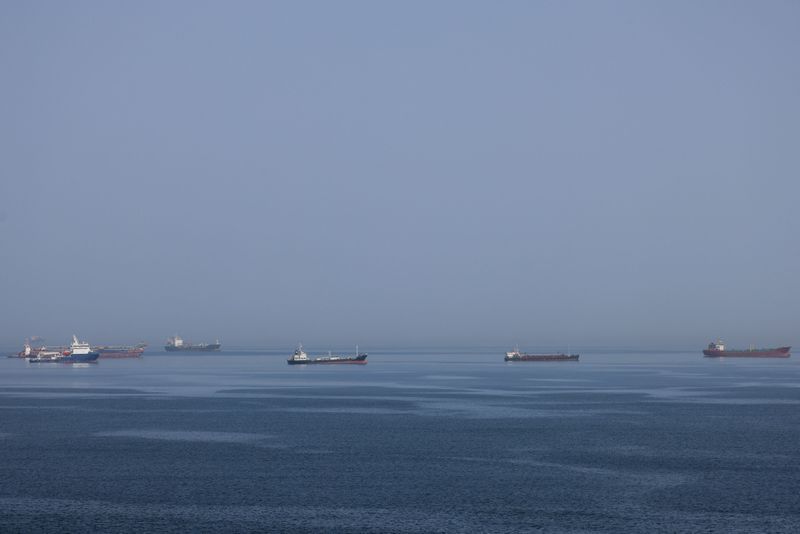

Dynamics around the Strait of Hormuz continue to evolve and the threat is expanding eastwards, towards the Gulf of Oman, says an assessment done by the Indian Navy-hosted Information Fusion Centre-Indian Ocean Region (IFC-IOR) at Gurugram.The IFC-IOR is a multi-nation construct with several countries having their representatives on board. It has more than 20 countries sharing data on commercial shipping to create a common picture. “Dynamics around the Strait of Hormuz continue to evolve as threat activity expands eastward,” said the IFC-IOR in its update on Tuesday night.It cited six shipping incidents which were monitored East of the Strait of Hormuz, particularly in the approaches to the Gulf of Oman, to say the threat is expanding. It would have sustained pressure on energy and commodity supply chains, with war risk insurance premiums remaining elevated.Separately, the Indian Navy has ramped up its deployment for escorting LPG and crude oil ships as they exit the vital Strait of Hormuz between Iran and Oman. As of now, six to eight ships are on duty for the Hormuz crisis, besides surveillance planes and UAVs.Sources said the Navy had set up two task forces and the number of warships on Hormuz-duties had gone up from three warships deployed on Sunday. At the moment, there are at least six-eight warships deployed for the job. This is being done independently without New Delhi joining any multi-country coalition like the one proposed by US President Donald Trump.In India, sources refused to specify the kind of assets deployed but added that more LPG and crude oil ships are expected to exit the Hormuz.Three frontline Navy warships were stationed in the Gulf of Oman just outside the Hormuz. These have been escorting Indian LPG cargoes over the past few days. The warships get live feed from own onboard radars besides connectivity of indigenous satellites, maritime surveillance planes and drones.The Navy has had two warships stationed in the sea south of Saudi Arabian Peninsula, one ship since 2008 in the Gulf of Aden for anti-piracy and second one since 2019 in Gulf of Oman. The crisis in Hormuz led to the addition of another warship. Indian Navy has the option of refuelling and restocking supplies at Omani ports of Duqm and Salalah, however, it also has the option of sending a fleet tanker that carries, fuel and rations and transfers the cargo mid-sea.