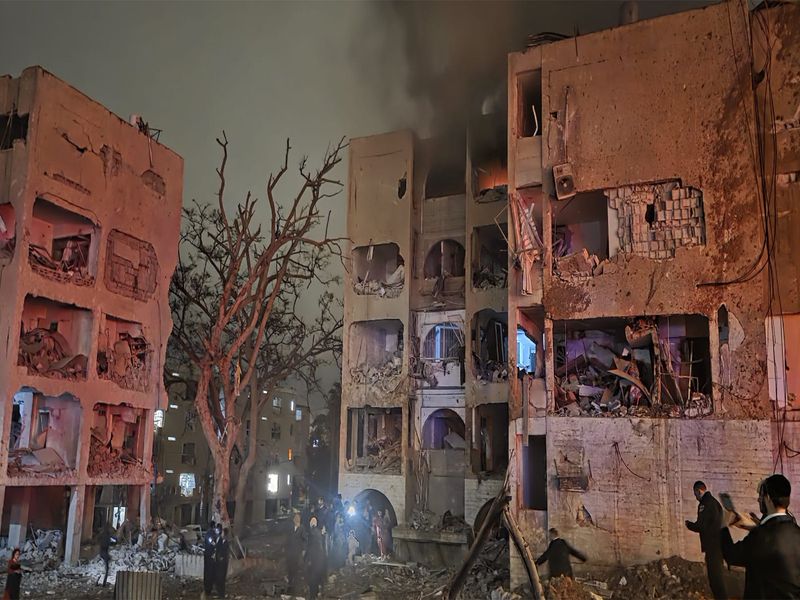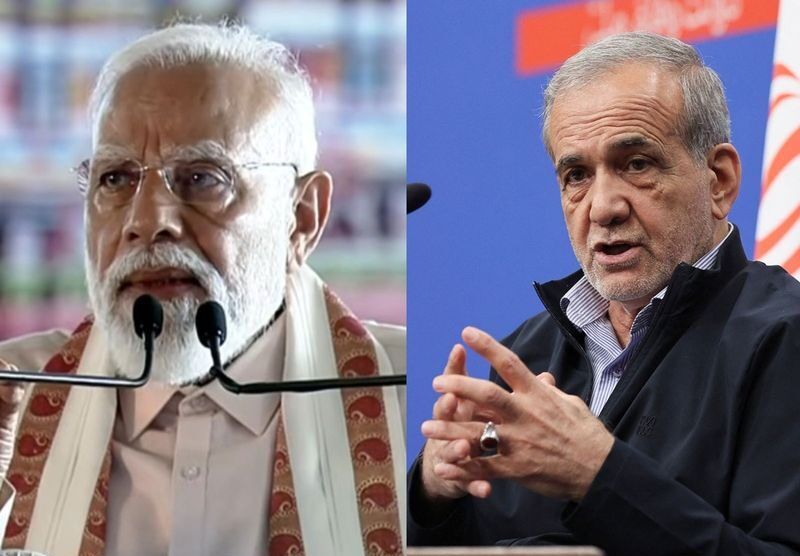

Prime Minister Narendra Modi on Saturday held a telephonic conversation with Iranian President Masoud Pezeshkian, during which Tehran pitched the establishment of a “regional security framework” and urged a more assertive role for BRICS, even as New Delhi condemned attacks on critical infrastructure and flagged risks to global shipping lanes.This conversation marked the second telephonic engagement between the two leaders in recent days, underlining India’s calibrated but proactive diplomatic outreach. In an earlier discussion, Modi had stressed restraint, dialogue and the protection of civilians.The Iranian side, in its official readout, foregrounded three key proposals: the creation of a regional security architecture led by West Asian nations without external interference; an immediate halt to ongoing military actions by the US and Israel along with guarantees against their recurrence; and a call for BRICS (under India’s current rotating presidency) to play an independent role in stopping hostilities and ensuring regional and global stability.Pezeshkian argued that a durable resolution to the conflict hinged on ending what he described as “unlawful aggressions”, asserting that Iran had not initiated the war. He also reiterated Tehran’s willingness to engage in dialogue and verification mechanisms regarding its nuclear programme, while rejecting allegations that it sought to develop nuclear weapons.Jaishankar speaks to Iranian counterpartExternal Affairs Minister S Jaishankar on Saturday spoke to Iranian Foreign Minister Abbas Araghchi about West Asia conflict and its wider implications. He also conveyed greetings on the occasions of Nowruz and Eid. “Our conversation was on the latest developments regarding the conflict and its implications for the larger region,” he posted on X.The proposals come against the backdrop of sharply escalating tensions in West Asia, with Iran accusing the US and Israel of targeting civilian population and critical infrastructure. The Iranian President cited strikes, including one on a school in Minab killed 168 children, describing the broader campaign as “inhumane and unethical”.During the call, Modi conveyed greetings on the occasions of Eid and Nowruz, expressing hope that the festive season would usher in peace, stability and prosperity across West Asia. He, however, struck a firm note on the security situation, condemning attacks on key infrastructure, particularly energy and logistics assets, which have emerged as flashpoints in the ongoing conflict.The Prime Minister also underscored the importance of safeguarding freedom of navigation, stressing that vital shipping lanes must remain open and secure, a reference to growing concerns over disruptions in strategic corridors such as the Strait of Hormuz.India, one of the world’s largest energy importers, has consistently flagged risks to global supply chains and energy security amid the intensifying conflict involving Iran and Israel.Modi also appreciated Iran’s continued support in ensuring the safety and security of Indian nationals in the country, a key concern for New Delhi as tensions persist.India has been engaging multiple stakeholders across regions in a bid to de-escalate the crisis, maintaining contact with key global and regional leaders while reiterating that dialogue remains the only viable path forward.Officials said New Delhi’s outreach is guided by a combination of strategic interests—including the safety of the Indian diaspora, stability of energy supplies and security of critical sea lanes—as well as its long-standing position in favour of peaceful resolution of conflicts.With attacks on infrastructure and maritime risks rising, India’s message has sharpened in recent days, linking regional security directly with global economic stability.