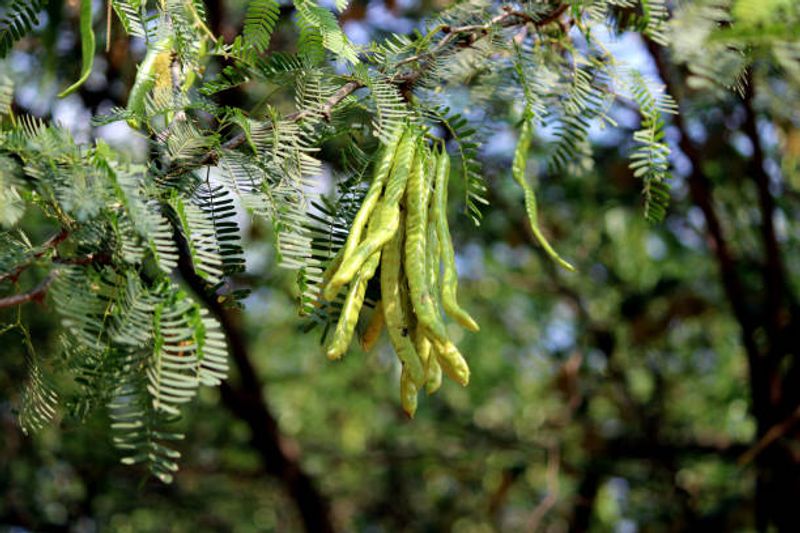

The National Biodiversity Authority (NBA) today constituted an expert committee to assess the impact of invasive alien species on the nation’s biodiversity. This was done in pursuance of the directions of the National Green Tribunal (NGT), which took note of the ecological imbalances due to invasive alien species.Alien species are primary drivers of extinction of species and contribute 60 per cent of such extinction globally.In India, invasive alien species like lantana camara, prosopis juliflora and water hyacinth have caused mass degradation of native ecosystems covering around 60 per cent of the natural habitat.The expert committee on invasive alien species will address the growing ecological and socio-economic risks posed by such species across the country.The decision follows a suo motu proceeding by the NGT, which underscored the serious threats of invasive alien species to native biodiversity, key ecosystems, agriculture, food security, and human and wildlife health, and directed the NBA to undertake a comprehensive study. This was further reinforced by an advisory from the Union Environment Ministry to establish a dedicated expert body.What are invasive alien speciesAnimals, plants, or microorganisms introduced intentionally or accidentally outside their natural range, which then spread, thrive and cause significant damage to native biodiversity, ecosystems, human economies and health.“In exercise of its powers under the Biological Diversity Act, 2002 (as amended in 2023), the NBA has constituted a multi-disciplinary committee to provide strategic guidance on the issue. The committee has been mandated to prepare a consolidated national list of invasive alien species based on state-wise inputs, identify and prioritise high-risk species and recommend science-based management strategies, ecological restoration measures and national-level guidelines for their prevention, control and eradication,” the authority said.The committee will also document and disseminate best practices, identify critical knowledge gaps and propose research and data generation programmes to strengthen long-term management and policy responses.It will be chaired by Dhananjai Mohan, IFS (Retd), former Principal Chief Conservator of Forests and ex-Head of Forest Force, Uttarakhand, with A Biju Kumar, Vice Chancellor, Kerala University of Fisheries and Ocean Studies, serving as co-chair.The panel will comprise senior officials and eminent experts from key ministries and premier scientific institutions, including representatives from the Zoological Survey of India, Botanical Survey of India, ICAR research bureaus on plant, fish and insect genetic resources, Indian Council of Forestry Research and Education, Wildlife Institute of India, Forest Survey of India and State Forest Departments of Tamil Nadu, Odisha, Maharashtra and Assam, along with international and academic experts such as IUCN and leading research institutions.“The composition reflects a broad spectrum of expertise spanning ecology, forestry, agriculture, fisheries, marine sciences and biodiversity conservation, ensuring a coordinated, science-driven and whole-of-government approach to tackling invasive alien species,” a statement said.The committee will function for two years and is expected to significantly contribute to safeguarding India’s biodiversity, enhancing ecosystem resilience and supporting national and global biodiversity commitments.