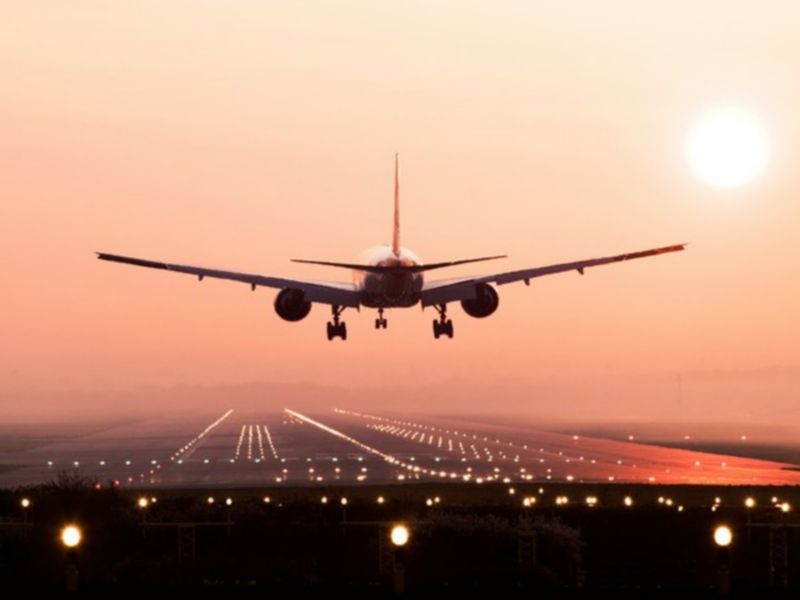

Who will pay more to fly, what has changed in ticket pricing, when will fares start rising, where will the impact be felt most, why has the cap been lifted and how will airlines respond, the reset in India’s aviation market has begun after the Ministry of Civil Aviation (MoCA) removed domestic airfare cap from March 23, even as a global fuel shock driven by the US-Israel-Iran conflict pushes costs sharply higher.In its March 20 order, the ministry withdrew the temporary fare ceiling imposed on December 6, 2025, when large-scale disruptions, particularly involving IndiGo, had triggered a spike in ticket prices. The cap, which kept one-way economy fares within roughly Rs 18,000 depending on distance, has now been lifted citing “restoration of capacity and normalisation of operations across the sector”.But the order draws a clear red line. It said “any instance of excessive or unjustified surge in fares… particularly during peak demand, disruptions, or exigencies, will be viewed seriously,” and added that fare caps or other interventions can be reintroduced if required in public interest. The Directorate General of Civil Aviation has been tasked with monitoring fares in real time.The timing of deregulation is crucial. It comes just as global oil markets are under stress due to the ongoing conflict, which has disrupted supply routes and pushed up crude prices. For airlines, this is not a marginal increase. Aviation turbine fuel (ATF), which accounts for up to 45 per cent of operating costs, is already firming up and is expected to rise further from April 1.Civil Aviation Minister Ram Mohan Naidu has acknowledged the pressure, stating that the impact of rising ATF prices “is definitely going to be there”. The situation is compounded by operational changes, including longer flight paths to avoid sensitive airspace, which increase fuel burn and costs per flight.Airlines have begun passing on the burden. Air India and its subsidiary have introduced a Rs 399 fuel surcharge on domestic tickets. IndiGo has imposed levies ranging from Rs 425 to Rs 2,300 per sector, while Akasa Air has added surcharges of up to Rs 1,300. These additions come even before the full impact of the fuel price rise is felt.Industry signals point to more upward pressure. The Federation of Indian Airlines has warned that recent regulatory proposals, including a directive mandating 60 per cent free seat allocation, could erode a key revenue stream. In its communication to the government, the body said the financial impact would be “significant” and may compel airlines to recover losses through fare increases, calling the move “counter-productive”.At the same time, the industry has raised concerns over regulatory reach, arguing that pricing and ancillary services are core commercial decisions. It has questioned the authority of the DGCA to regulate unbundled fare components, citing past judicial positions.For the government, the approach is calibrated. While restoring market-driven pricing, it has retained oversight. The ministry’s order reiterates that airlines must ensure fares remain “reasonable, transparent and commensurate with market conditions”, signalling that intervention remains an option if prices spike sharply.For passengers, the impact will not be uniform. On routes with high competition and for early bookings, fares may remain stable. But on peak routes, last-minute travel and during disruptions, prices are expected to rise more sharply, now without the cushion of a cap.