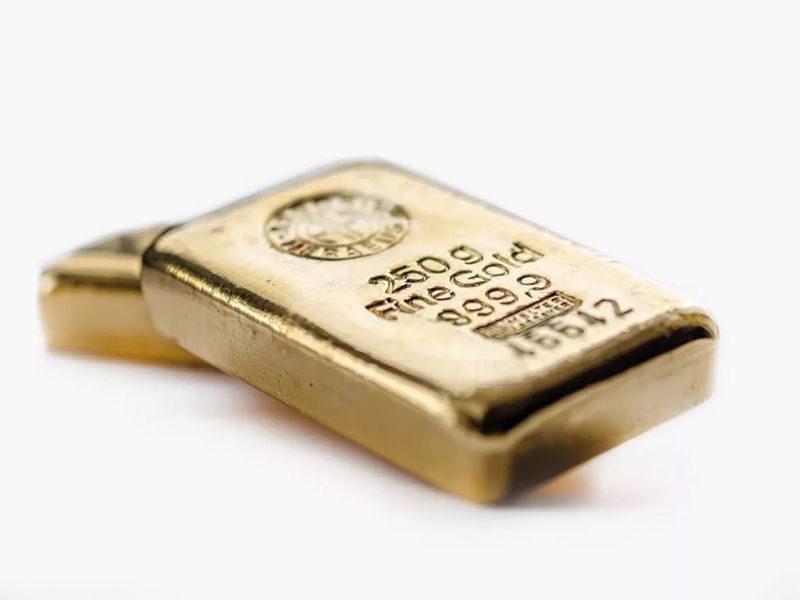

An unexpected and unusual sell-off in precious metals is a sign of increasing stress on the world’s financial markets as the Iran war continues, as per the analysis by The Kobeissi Letter.The Kobeissi Letter, which is an industry leading commentary on the global capital markets founded by Adam Kobeissi, stated that gold has officially entered a bear market after dropping over 22 per cent from its peak.In contrast to the conventional trend where safe-haven assets typically rise during times of conflict, gold and silver combined shed roughly USD 2 trillion in market value in a couple of hours as geopolitical tensions escalated.On its official X handle, The Kobeissi Letter wrote, “Something very strange is happening in precious metals right now: In just 3 hours, gold and silver just erased a combined -$2 TRILLION in market cap. Meanwhile, oil prices have erased their gains on the day and US stock market futures are nearly green. Since the Iran War began, such a reversal in oil and equities has almost always sent gold prices higher.”“So, what just happened? The sporadic moves in price could signal that a potential large player in the space is being liquidated. But more importantly, the persistent move higher in the 10Y Note Yield, which is now at 4.40% and up +45 bps in 3 weeks, is beginning to weigh on various asset classes. Combine this with headline fatigue and “pockets” of illiquidity in the market, and the massive gaps to both directions are only growing. Something big is happening metals markets right now,” it stated.According to the Kobeissi Letter, this divergence is happening at a time when equity futures are beginning to stabilise and oil prices are still volatile, contradicting the customary correlation where rising geopolitical threats often enhance both crude oil and defensive assets like gold.Instead the significant increase in US Treasury yields seems to be the primary cause of pressure. Recent weeks have seen a sharp increase in the yield on 10-year bonds, which has raised the opportunity cost of storing non-yielding assets like gold and silver and significantly impacted their pricing.