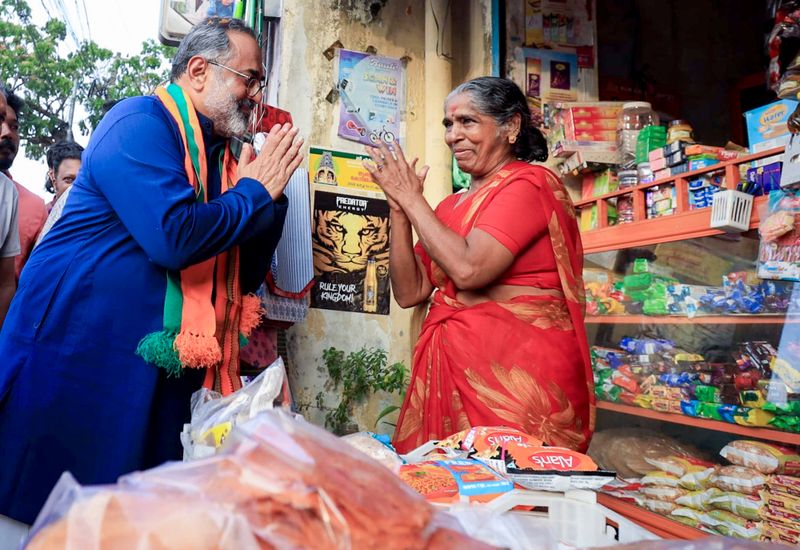

Kerala is bracing for a high-octane showdown between the Congress-led United Democratic Front (UDF) and the CPM-led Left Democratic Front (LDF) in the Assembly elections on April 9, with the first survey to come out after filing of nominations suggesting a dead heat.According to the ‘VoteVibe’ survey released by CNN-News18, the state is locked in a neck-and-neck battle between the two main contenders, with both alliances currently deadlocked at an identical 36.5 per cent vote share. The BJP-led National Democratic Alliance is projected to secure around 15 per cent of the votes, which would leave around 10 per cent votes which could swing either way.The survey projections suggest a razor-thin margin in the number of seats that two major alliances can hope to win. The LDF is predicted to secure between 68 and 74 seats, while the UDF is close behind with a projected 64 to 70 seats. The BJP-led NDA is expected to make minor inroads, potentially clinching one to three seats.The survey highlights a distinct geographical divide in voter sentiment across the three major regions of the state. In north Kerala, where 48 seats are up for grabs, the UDF holds the upper hand with a projected strike rate of 26 to 28 seats against the LDF’s 20 to 22 seats. The NDA is expected to draw a blank in the north.In central Kerala, traditionally a swing region, there are around 53 seats. It is also likely to lean towards the UDF with a projected 27-29 seats, leaving the LDF with 24-26. In southern Kerala, with 39 seats, it is the LDF that has a decisive advantage. The ruling alliance is projected to win big here, sweeping 24-26 seats. The UDF is expected to struggle here, relegated to 11-13 seats, while the NDA finds its most fertile ground, potentially winning one to three seats.In a statistical tie that mirrors the party vote shares, Chief Minister Pinarayi Vijayan and Opposition leader VD Satheesan are locked at 29 per cent support each for the chief ministerial post. Interestingly, the UDF leadership enjoys a collective trust rating of 45 per cent, which is far higher than the LDF’s 39 per cent. Among other contenders, BJP’s Rajeev Chandrasekhar holds the third spot with 10.8 per cent, followed by KK Shailaja (CPM 9.3 per cent) and Shashi Tharoor (Congress 8.4 per cent).The survey suggests strong anti-incumbency sentiment among the voters. While 38.8 per cent of respondents rated the government’s performance as “excellent/good”, a significant 43.1 per cent labelled it “poor/very poor”. Discontent is highest among rural voters (50.9 per cent) and the 35-44 age demographic (50.7 per cent). Conversely, younger voters (18-24) appear relatively more satisfied with the current administration.The election is being fought on bread-and-butter issues rather than rhetoric, the survey says. Price rise (19.7 per cent) remains the primary concern, followed by unemployment (15.6 per cent) and corruption (14.4 per cent). Substance abuse emerged as a major worry for 12.7 per cent of the electorate. Topping it all is possible communal polarisation, which remains a sensitive issue for the 35-44 age group and the Muslim community.The UDF continues to draw its core strength from the Muslim (39.3 per cent) and Christian (36.6 per cent) minorities. The LDF retains its grip on the SC/ST and OBC blocks, while the BJP shows significant growth among upper-class Hindus, securing a 26.5 per cent preference within that demographic.