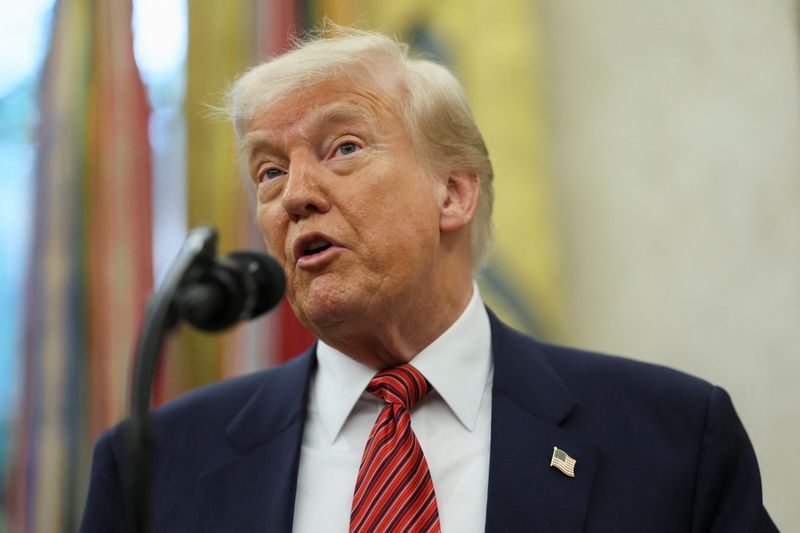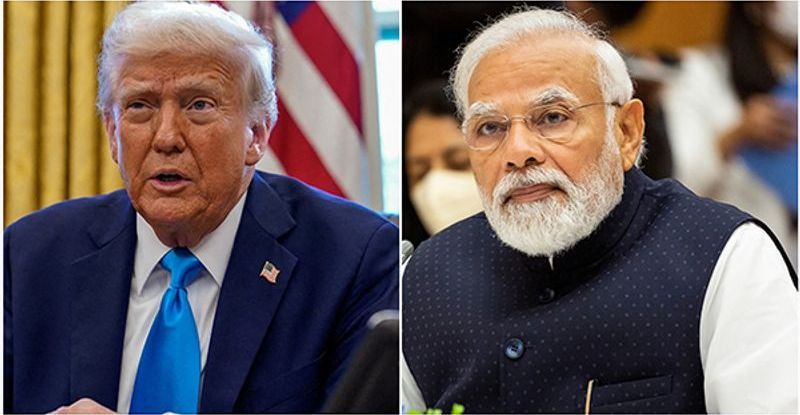

Prime Minister Narendra Modi on Tuesday spoke with US President Donald Trump, marking their first direct engagement since the outbreak of hostilities in West Asia on February 28, with both leaders stressing the critical importance of keeping the Strait of Hormuz open for global energy flows. The talks came as the US moved to send troops to the Gulf.Trump dialling Modi was confirmed by US Ambassador to India Sergio Gor, who said the conversation focused on the evolving security situation in the region and its wider economic implications.“President Donald Trump just spoke with Prime Minister Modi. They discussed the ongoing situation in West Asia, including the importance of keeping the Strait of Hormuz open,” Gor said.Minutes later, Modi said he had a “useful exchange of views” with Trump and underlined India’s position on de-escalation. “India supports de-escalation and restoration of peace at the earliest. Ensuring that the Strait of Hormuz remains open, secure and accessible is essential for the whole world. We agreed to stay in touch regarding efforts towards peace and stability,” the Prime Minister said in a post on X.The outreach assumes significance as tensions in the Gulf continue to escalate, disrupting one of the world’s most vital maritime arteries. The Strait of Hormuz, linking the Persian Gulf with the Gulf of Oman, handles a substantial share of global crude shipments, making any disruption a direct threat to energy security, particularly for import-dependent economies like India.Even as diplomatic channels remain active, parallel military signalling continues to intensify. The US is understood to be weighing its options ahead of the end of a five-day pause on strikes targeting Iranian energy infrastructure later this week, even as backchannel efforts explore the possibility of talks with Tehran.Externally, New Delhi has stepped up engagement with key stakeholders. External Affairs Minister S Jaishankar met Iran’s Ambassador to India Dr Mohammad Fathali and discussed the evolving situation. “Appreciate the support provided to Indians in Iran in these challenging times,” Jaishankar said.Interestingly, Pakistan, who, according to media reports, has been engaging with both US and Iran as a mediator, has offered that it was ready “to be the host” to facilitate meaningful and conclusive dialogue between the warring camps.“Pakistan welcomes and fully supports ongoing efforts to pursue dialogue to end the war in West Asia in the interest of peace and stability in region and beyond. Subject to concurrence by the US and Iran, Pakistan stands ready and honoured to be the host to facilitate meaningful and conclusive talks for a comprehensive settlement of the ongoing conflict,” Pakistan Prime Minister Shehbaz Sharif posted on X.On the ground, even as diplomatic efforts remain “fluid”, military preparations continue to gather pace. Reports say that Washington is simultaneously moving a large number of troops, especially Special Operations team, indicating escalation in hostilities if talks fail.President Trump has signalled openness to a deal with Iran after pausing further strikes, citing “productive” discussions. However, Washington’s demands, including the reopening of maritime routes through the Strait of Hormuz, are being matched by Tehran’s insistence on non-interference and compensation for recent attacks.A massive proposed deployment includes heavy lift helicopters Chinook, the marine helicopters MH-60, teams of Navy ‘Seals’—their special command force. The teams will include specialists for repairing runways and airborne division capable of inducting troops who can parachute down. Western analysts have pointed out that Ovda Airbase in Israel could be one of launch-pads.The five-day moratorium announced by Trump on strikes against Iran’s energy infrastructure is set to end on Friday, even as reports in the US media suggest that Vice-President JD Vance could emerge as the chief negotiator if talks with Tehran materialised. This would mark a shift from earlier backchannel efforts led by Steve Witkoff and Trump’s son-in-law Jared Kushner, who had handled nuclear negotiations with Iran prior to the conflict.The White House, however, has not confirmed either Vance’s prospective role or speculation that Pakistan could host the talks. Trump declined to comment when asked if Vance was travelling to Pakistan, while Press Secretary Karoline Leavitt termed such reports “speculative” and “fluid”, reiterating that the US did not negotiate through the media and that diplomatic engagements remained sensitive.The conflict, now in its fourth week, has triggered sharp volatility in global energy markets and heightened geopolitical tensions, with European leaders also voicing concern. German President Frank-Walter Steinmeier described the US-Israel campaign as a “breach of international law”, reflecting widening transatlantic unease.Within the US, questions are also emerging over the origins of the conflict. Trump recently indicated that Defence Secretary Pete Hegseth was among the first to advocate military action, recalling an internal discussion where he pushed for immediate strikes to prevent Iran from acquiring nuclear weapons.