
A hospital trust has admitted it missed an earlier opportunity to alert health officials about a potential case of meningitis in Kent.An “unwell” patient first went to Queen Elizabeth The Queen Mother Hospital, in Margate, on the evening of 11 March, but the hospital took another two days to report the case to the UK Health Security Agency (UKHSA).The hospital informed the agency on 13 March once a diagnosis had been confirmed.By law, all suspected cases of meningitis must be reported to the UKHSA, without waiting for laboratory confirmation.
Image:
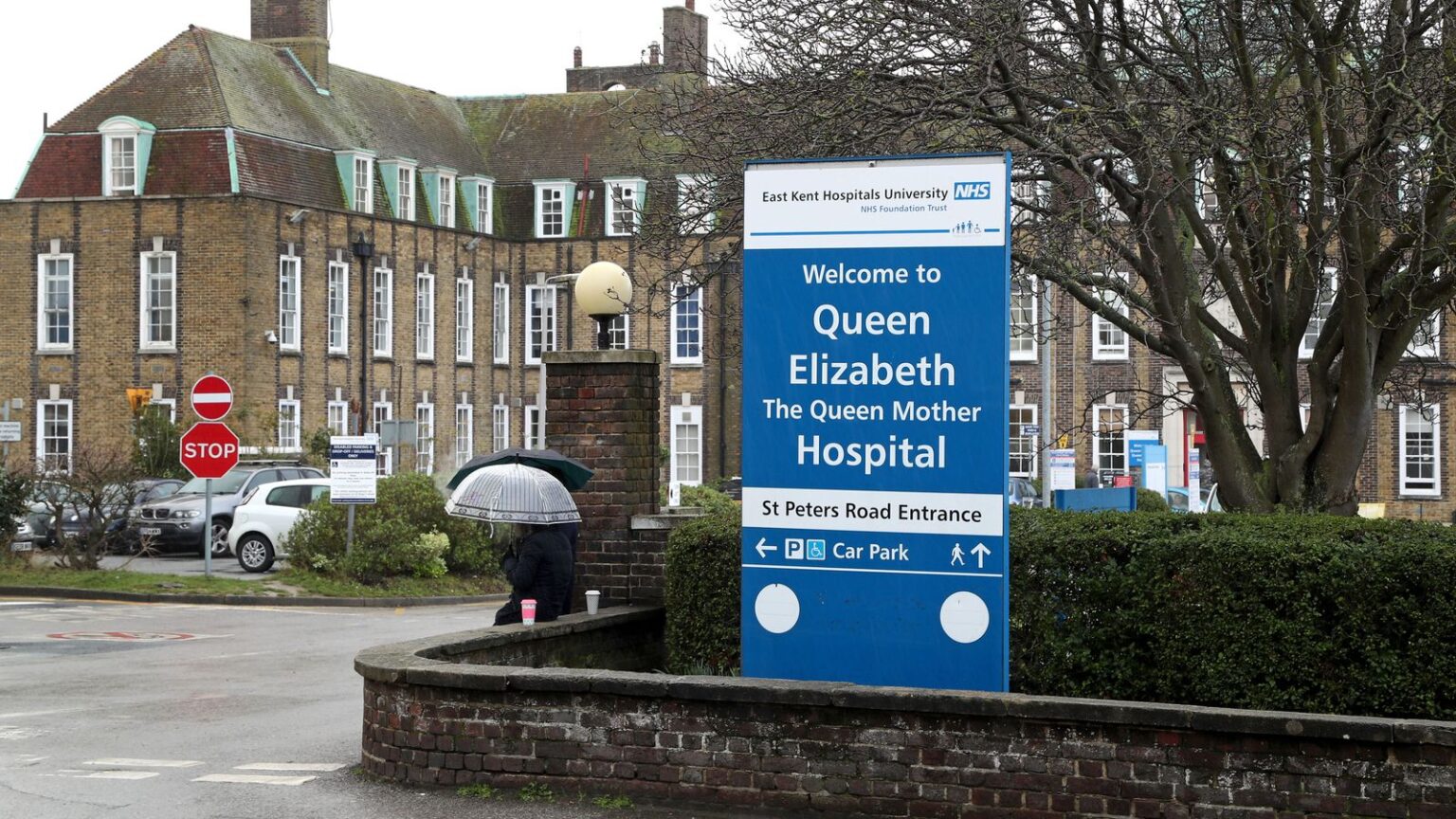
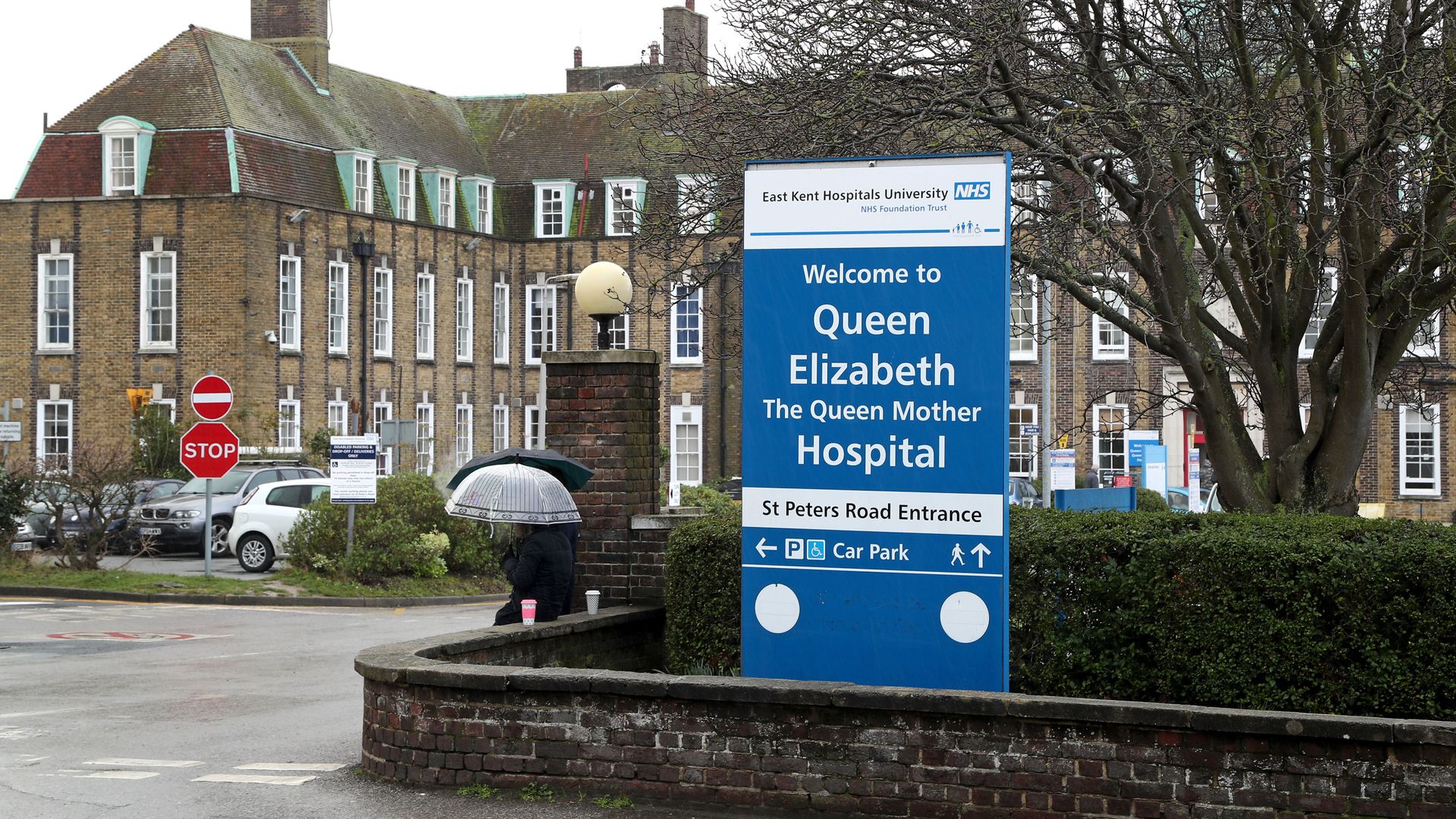
Queen Elizabeth The Queen Mother Hospital in Margate, Kent. File pic: PA
Health Secretary Wes Streeting said the failure to report the case within the appropriate time was “not acceptable and not good enough” – but added there is currently no evidence the delay had a “material impact” on the outbreak.East Kent Hospitals University Foundation Trust, which runs the hospital, admitted it could have notified UKHSA sooner.Dr Des Holden, acting chief executive at the trust, said: “We recognise there was an opportunity prior to diagnosis being confirmed on Friday 13 March to notify UKHSA.”We cannot go into the detail of individual patients’ care, but the trust has been in close contact with UKHSA since Friday 13 March to discuss the management of patients presenting with suspected meningitis.”Mr Streeting told Jattvibe: “On Wednesday evening, a patient presented unwell. By Thursday mid-morning, staff suspected meningitis. At that point, they had a duty to notify the UKHSA within 24 hours. They notified them within 26 hours.”That is not acceptable and it is not good enough.”I think the reassurance I can offer is that this doesn’t appear to have had a material impact on the steps we took to contain the outbreak.”We will obviously look more into what went wrong and why – and I’m expecting an account of that failure.”He also said there had been a “remarkable response” to the outbreak from education leaders, the UKHSA and NHS staff and highlighted the “rapid” action taken to introduce a vaccination programme.Mr Streeting added: “We’re not out of the woods yet. We would expect to see, over the coming weeks, cases emerge in other parts of the country – we would expect to see that in the normal year, in every case, we do lab testing.”We want to be sure, to assure ourselves and to assure the public that we’ve contained this.”Read more:Meningitis B vaccines offered to more school childrenSymptoms and how to find out if you need the vaccineTwo students have died in the meningitis outbreak – 18-year-old Juliette Kenny, who was described by her family as “fit, healthy and strong” before her death, and a University of Kent student.The UKHSA said the cases have a median age of 19, and while the majority are in education, five are not students.Most patients (87%) attended Club Chemistry nightclub in Canterbury at least once between 5 and 7 March before becoming unwell, the agency said.
On Tuesday, the UKHSA was informed of 20 confirmed cases of meningitis, with two more under investigation.This was down from 29 on Sunday, when 20 cases were confirmed and a further nine were under investigation.Officials started vaccinating University of Kent students on 18 March.