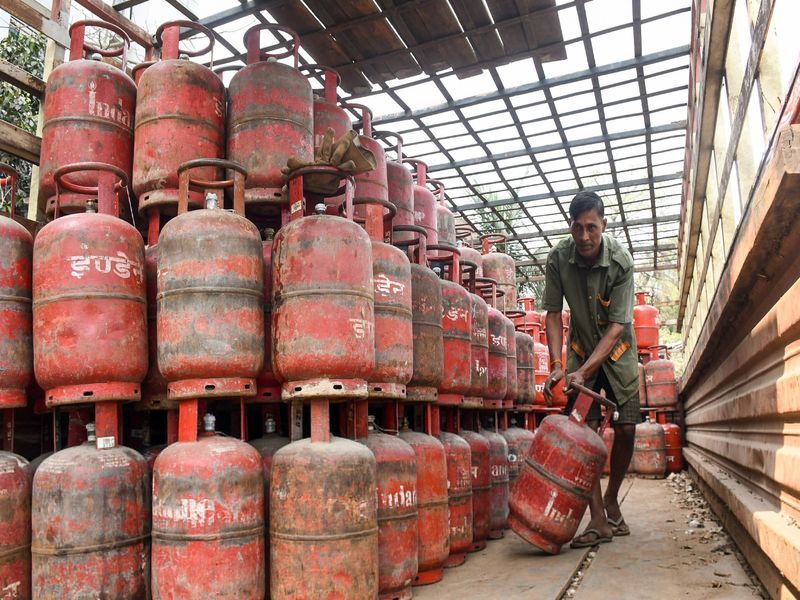

Reports of people queuing with utensils outside some petrol stations in Gujarat triggered a massive wave of panic on Wednesday over the potential impact of the West Asia crisis. The same story was repeated today in Rajasthan and Jammu and Kashmir.But panic, the government today said, is needless. Here’s why:CRUDE OIL STATUSAlthough the Strait of Hormuz, which is the passage for one-fifth of global crude supplies, is closed, India is now receiving more crude oil that it was receiving from the Strait. This is because India has diversified imports from 41 nations. High volumes available in international markets, especially from the western hemisphere, have more than compensated for any disruption. Every Indian refinery is running at over 100% utilisation. Crude oil supplies for next 60 days have already been tied up by Indian Oil companies. There is no supply gap. Also India has 74 days of total crude oil reserve capacity and actual stock cover is around 60 days right now, including crude stocks, products stocks and the dedicated strategic storage in caverns. Two months of steady supply is available for every Indian citizen regardless of what happens globally. Next two months of crude procurement has also been secured. So, India is completely secure for next many months and the quantity in strategic cavern storage becomes secondary in such a supply situation, says the government.NO LPG SHORTAGE AND WHYGovernment says there’s is no LPG shortage. Following the LPG Control Order issued by the Petroleum Ministry, domestic refinery production has been ramped up by 40%, bringing daily LPG output to 50 TMT (more than 60% of country’s requirement) against a total daily requirement of around 80 TMT. So, the net daily import requirement has come down to only 30 TMT — meaning India is now producing much more than it needs to import. Over-and-above domestic production, 800 TMT of assured inbound LPG cargoes are already secured and en route from the United States, Russia, Australia, and other countries, arriving across India’s 22 LPG import terminals — double the 11 terminals that existed in 2014.Ministry data showed one full month of supply is firmly arranged, with additional procurement being finalised continuously.PNG THE WAY FORWARDPiped Natural Gas (PNG) is being promoted because it is cheaper, cleaner, and safer for Indian households. The country already produces 92 Million Metric Standard Cubic Meters/day of natural gas domestically out of a total daily requirement of 191 MMSCMD, making India far less import-dependent on gas than on LPG. City gas distribution has expanded from 57 geographical areas in 2014 to over 300 today. Domestic PNG connections have grown from 25 lakh to over 1.5 crore. The transition to PNG has been underway because it is a better, more affordable and highly convenient fuel for India’s households.