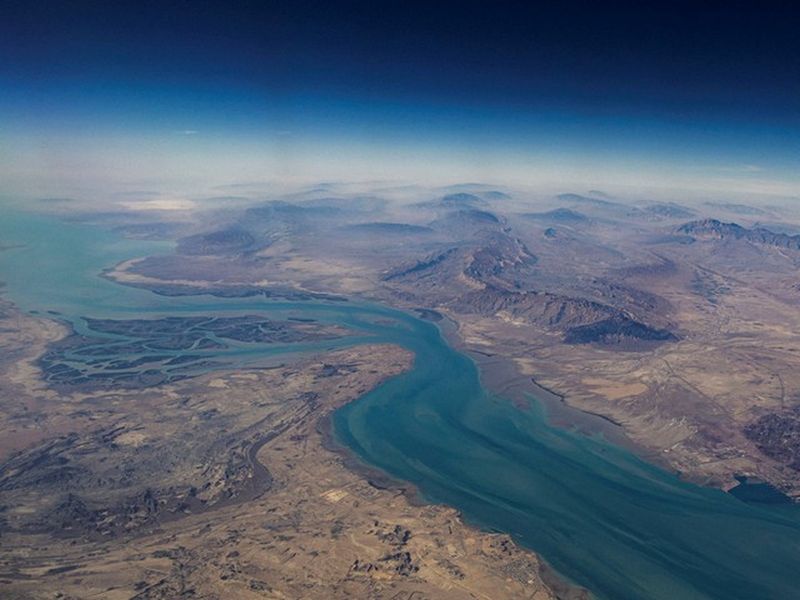

Tensions in West Asia escalated sharply on Sunday as Iran issued a stark warning of retaliation against any potential US ground incursion, even as a four-nation diplomatic effort got under way in Islamabad to prevent the conflict from spiralling further.Iranian Parliament Speaker Mohammad Baqer Qalibaf said Tehran was prepared for a direct confrontation, declaring that its forces were “waiting for American soldiers to set foot on the ground” to “rain fire” upon them.He accused the United States of pursuing a dual strategy of signalling negotiations while preparing for military escalation. “The enemy sends messages of dialogue in public, but is secretly plotting a ground attack,” he said, adding that the conflict had reached a “critical moment”.Qalibaf also linked the crisis to control over the Strait of Hormuz, describing it as a key objective for Washington. “Opening the Strait has become the operational dream of Donald Trump,” he said, asserting that Iran would not submit to US pressure.“We will not exit this war except with victory,” he added, signalling Tehran’s resolve as hostilities enter their second month.The remarks came amid reports that the US Department of Defence is preparing limited ground operation options in Iran, potentially involving thousands of troops, though President Trump has not yet approved any plan.Against this backdrop, the foreign ministers of Saudi Arabia, Turkiye, Egypt and Pakistan began high-level consultations in Islamabad on Sunday, in what is being seen as a coordinated diplomatic push to de-escalate the crisis.Officials said the two-day meeting will focus on reducing tensions and exploring pathways for dialogue as the conflict widens and draws in multiple regional actors.The initiative underscores Pakistan’s attempt to position itself as a mediator. Prime Minister Shehbaz Sharif has already offered to host talks between the United States and Iran — a proposal that has received a public nod from President Trump, raising cautious hopes of a diplomatic opening.The Islamabad talks are part of broader backchannel efforts by key regional powers to bridge the divide between Washington and Tehran, even as rhetoric hardens on both sides.With the Strait of Hormuz emerging as a flashpoint and military posturing intensifying, the coming days are likely to test whether diplomacy can still carve out an off-ramp from the widening conflict.