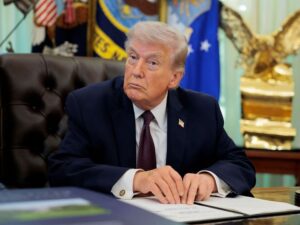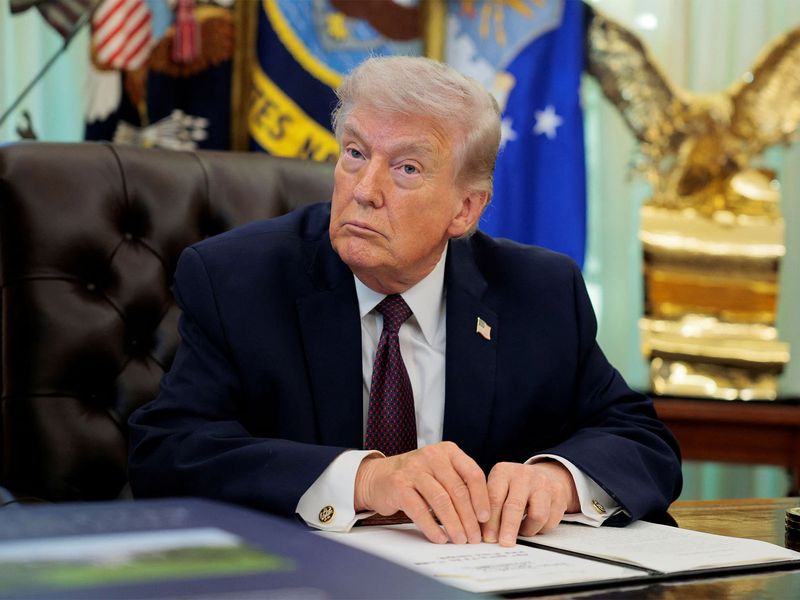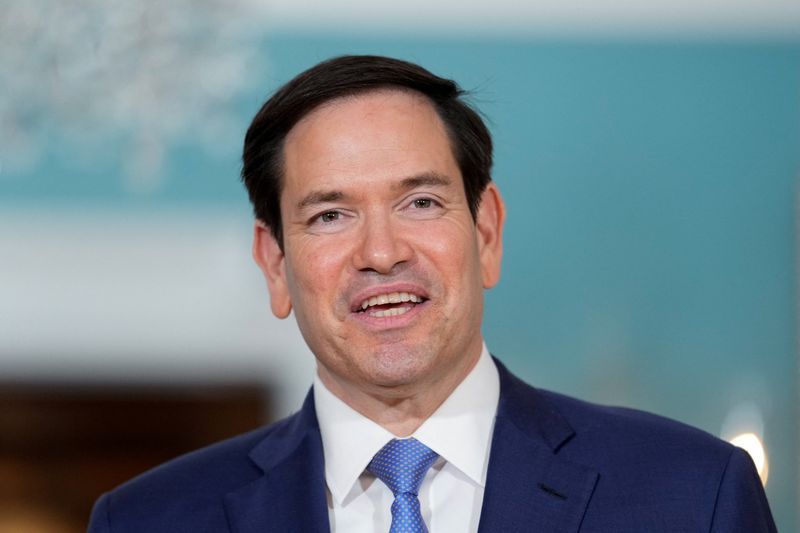

As US President Donald Trump signals a possible rethink of Washington’s commitment to the North Atlantic Treaty Organisation, a key legislative safeguard — spearheaded by then Senator Marco Rubio in 2023 (now Secretary of State) — effectively bars any unilateral withdrawal from the alliance.Rubio, who led the bipartisan push in Congress, had underscored the intent of the measure in December 2023, stating that no US President should be able to exit NATO without the Senate’s approval. The legislation, subsequently passed by Congress, mandates a two-thirds majority in the Senate for any such move.The provision assumes significance in light of Trump’s recent remarks, where he reportedly said he is “strongly considering” pulling the United States out of NATO, amid growing disagreements with European allies over military support in West Asia, particularly in relation to Iran.The law reflects mounting concern within Washington’s strategic establishment over the implications of a unilateral withdrawal from the transatlantic alliance, which has underpinned Western security architecture since 1949.Trump’s comments, including reportedly describing NATO as a “paper tiger”, have exposed fault lines within the bloc, with several European nations showing reluctance to fully align with US positions in the ongoing regional tensions.Strategic experts warn that any move to dilute US commitment to NATO could have far-reaching consequences. “Such a step could weaken deterrence against adversaries and force European nations to rapidly rethink their defence strategies. It may also embolden rivals such as Russia,” a geopolitical analyst said.The Rubio-led legislation, however, introduces a significant institutional check, ensuring that any decision to withdraw from NATO would require broad bipartisan consensus rather than executive action alone.European capitals have responded cautiously to Trump’s remarks, publicly reiterating the importance of alliance unity while privately expressing concern over the durability of US commitments.The developments come at a time of heightened geopolitical volatility, with tensions in West Asia and shifting global alignments testing the resilience of long-standing security frameworks.