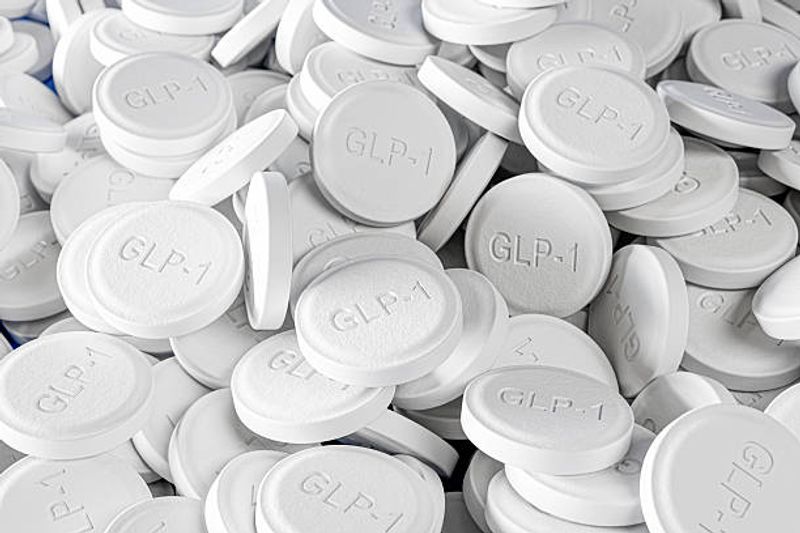

The Centre on Wednesday issued guidelines on the use, risks and regulation of GLP-1 drugs. The Health Ministry said these drugs must be taken under medical supervision, as use without clinical oversight could lead to severe health complications.“There are various side effects — both mild and serious — associated with GLP-1 drugs, ranging from nausea and dizziness to pancreatitis and medullary thyroid cancer,” it said.GLP-1 drugs carry a wide range of risks, from common symptoms such as nausea and vomiting to severe complications, including pancreatitis, kidney injury and bowel obstruction.“India’s regulatory authorities have taken firm steps to prevent unsupervised use and malpractices in the supply chain. Patients and the public are strongly advised to consult a qualified medical specialist before use, and to obtain these medications only with a prescription through legitimate, regulated channels,” the ministry said.To ensure ethical pharmaceutical practices in the supply of weight-loss drugs (GLP-1), the Drugs Controller General of India has intensified surveillance against unauthorised sale and promotion.On March 10, the Drug Controller General of India issued a comprehensive advisory to all manufacturers, explicitly prohibiting surrogate advertisements and any form of indirect promotion that could mislead consumers or encourage off-label use.How do weight-loss drug worksWhen food is consumed, the digestive system breaks it down into simple sugars that enter the bloodstream. GLP-1 is released in response, triggering the pancreas to produce insulin, which helps move glucose from the bloodstream into cells for energy. It also suppresses glucose release from the liver, helping normalise blood sugar levels. This process slows gastric emptying, keeping food in the digestive system longer and making a person feel fuller for extended periods. As a result, appetite is reduced, aiding weight loss. These drugs are therefore also prescribed for obesity.