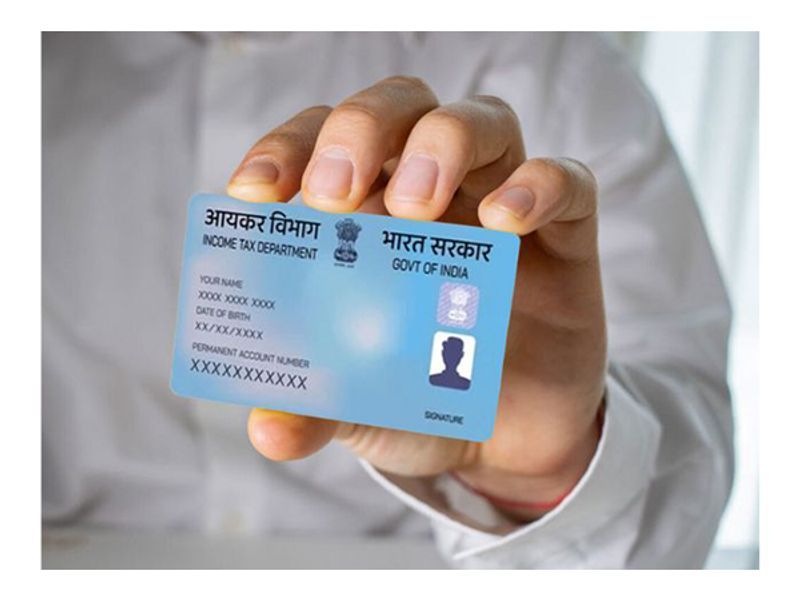

Beginning on April 1, the Permanent Account Number (PAN) has undergone a number of significant changes that impact both how it is obtained and how it is used in financial transactions.This has come after the Central Board of Direct Taxes (CBDT) notified the Income Tax Rules, 2026, which implement the Income-tax Act, 2025. The goal of these revised regulations is to improve compliance while streamlining the documentation requirements.Aadhaar alone will no longer be adequate for PAN applications as of April 1. Additional proof of birth, such as a birth certificate, voter ID, class 10 certificate, passport, or driver’s license, must be submitted by applicants.With regard to the new PAN application forms, the old forms have been consolidated into forms that are specific to each category. Form No. 93 is currently used by Indians. Form No. 94 is used by Indian organisations and companies. Form No. 95 is used by foreigners. Form No. 96 is used by foreign entities.According to the Income Tax Rules, 2026, you must use the new category-specific forms if you are applying for a new PAN on or after April 1. PAN applications that are still pending as of March 31 will still be accepted. The new regulations do not require you to file a new application.The 2026 regulations raise the requirements for PAN quotation in high-value transactions.Cash deposits or withdrawals: Unlike the previous rule of Rs 50,000 per day, PAN is required if the total in a fiscal year reaches Rs 10 lakh or higher. Previously, PAN was required for all cars, including motorcycles, if the price exceeded Rs 5 lakh.Payments for hotels, restaurants, conventions, or events: PAN is required if the amount exceeds Rs 1 lakh, up from Rs 50,000.Transactions involving immovable property: PAN is now necessary if the transaction exceeds Rs 20 lakh, as opposed to the previous Rs 10 lakh.