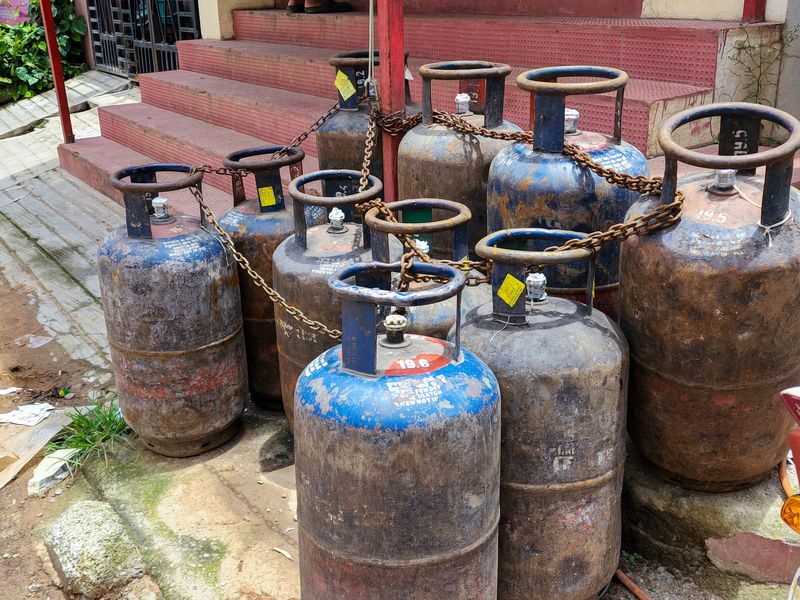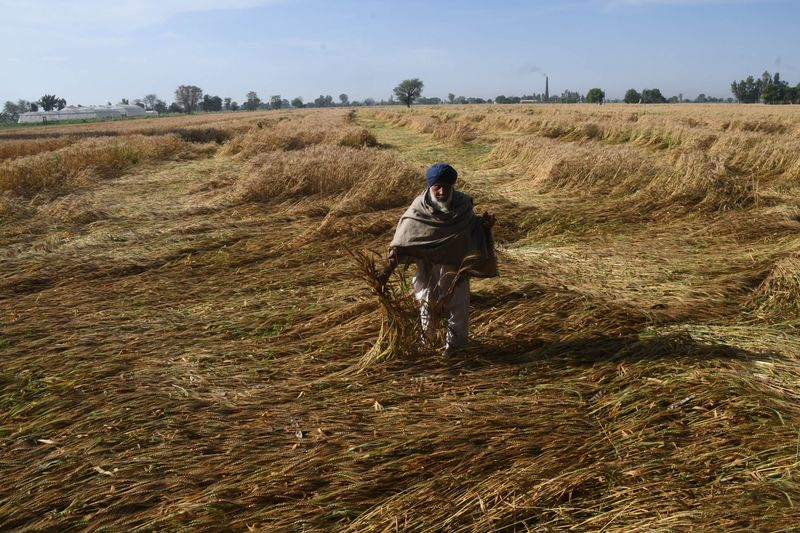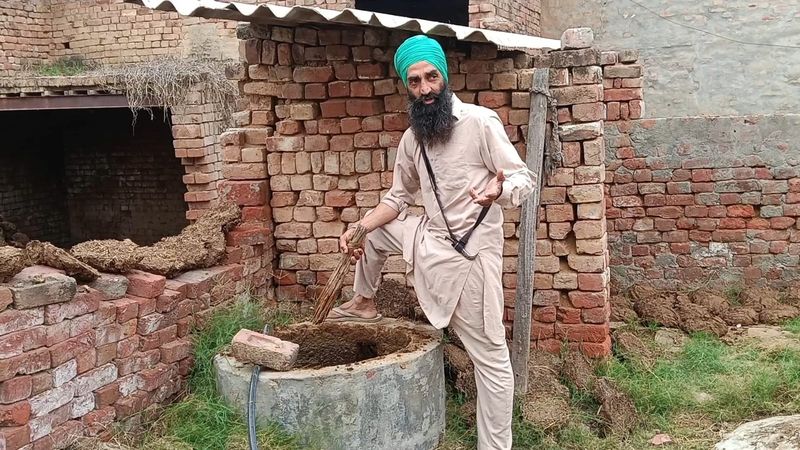

As urban households grapple with fluctuating LPG prices and occasional supply constraints, a quiet energy revolution is unfolding in the kitchens of rural Punjab.While many families are forced to queue for cylinders or spend close to Rs 1,000 per refill, thousands of farmers in villages are cooking their meals without spending a rupee on fuel.From Rajeana village in Moga to Kameana and Golewala in Faridkot, farmers like Nirmal Singh, Manjit Singh, Baljit Singh and Anmol Singh are leading this change—powered not by LPG, but by biogas generated at home.For these farmers, the kitchen flame never flickers. Their secret lies in a simple yet highly effective domestic biogas plant, fuelled entirely by livestock waste.Nirmal Singh installed his biogas unit in 2011, investing around Rs 20,000 and dedicating just 25 square yards of space on his property. Fifteen years later, the decision has paid off handsomely, saving his family more than Rs 1.5 lakh in cooking fuel expenses.Others share a similar story. Manjit Singh, Baljit Singh and Anmol Singh, who set up their plants around the same time, say the system has freed them from rising fuel costs and supply uncertainties.“It’s like having our own gas agency at home,” they say with a smile.“We don’t worry about price hikes or delivery delays. Our only job is mixing two baskets of cow dung with water every morning.”For dairy farmers, the raw material comes at virtually no cost. The process itself is straightforward. Fresh cow dung is mixed with water in a 1:1 ratio and fed into an underground airtight tank known as a digester. In this oxygen-free environment, anaerobic bacteria break down the organic matter, producing methane gas that is piped directly to the kitchen stove.What remains after gas production is equally valuable. The residue, known as biogas slurry, is a nutrient-rich organic fertiliSer. Compared to raw dung, it contains enhanced levels of nitrogen and other fermented nutrients, improving soil health and reducing reliance on costly chemical fertilisers such as urea and DAP.Farmers using slurry report improved soil texture and better crop productivity, effectively turning every bit of waste into either energy or plant nutrition—creating a sustainable, circular farm economy.Recognising its potential, the Punjab Energy Development Agency (PEDA) and the central government have been actively promoting biogas technology. To make adoption easier, these plants are heavily subsidised, covering a substantial portion of installation costs for small and marginal farmers.Naib Singh, a contractor registered with PEDA, said he has installed over a thousand such plants in the past 15 years, reflecting steady interest among farmers seeking energy independence.A cumulative total of about 1.85 lakh family-type biogas plants have been set up in Punjab against the estimated potential of 4.5 lakh plants. The central subsidy of Rs 7,500 is provided in Punjab for a 1 cubic metre plant.At a time when energy security is a global concern, the experience of these farmers offers a practical and sustainable model. With low maintenance requirements and higher safety, biogas systems operate without the high-pressure risks associated with LPG—this age-old technology is finding renewed relevance in modern rural life.