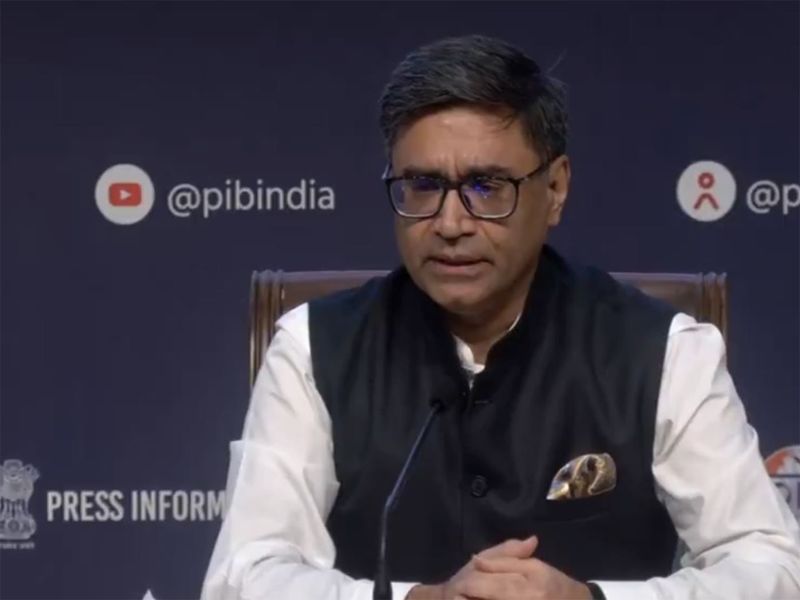

Amid escalating tensions in West Asia, Foreign Secretary Vikram Misri will visit Washington DC, from April 8 to 10 to review and advance the full spectrum of India-US relations, the Ministry of External Affairs announced on Tuesday.According to an official, the visit will provide an opportunity for both sides to take stock of ongoing cooperation and explore ways to further strengthen engagement across key sectors.During his stay, Misri is scheduled to hold discussions with senior officials of the United States Government on a range of issues, including trade, defence, science and technology, as well as regional and global developments of mutual interest.The visit assumes significance in the backdrop of heightened geopolitical tensions in West Asia, with India and the US closely coordinating on issues impacting regional stability and global energy security.Officials said that the trip follows the visit of External Affairs Minister S Jaishankar to Washington in February 2026 and is part of regular high-level exchanges between the two countries aimed at deepening strategic ties.Notably, the India-US trade deal has also remained pending since the Supreme Court struck down sweeping tariffs imposed by President Donald Trump.Last month, the government had said that India will sign its proposed trade agreement with the United States once a new global tariff framework being developed by Washington becomes clear.“The US deal was to be signed in March. But tariffs under the International Emergency Economic Powers Act do not exist per se due to rulings by the Supreme Court of the United States,” Commerce Secretary Rajesh Agarwal had said, indicating that the March deadline for signing the deal will no longer apply.Separately, Misri’s visit assumes added significance in the wake of the West Asia conflict, with both sides expected to exchange assessments on the evolving security situation, including threats to maritime routes such as the Strait of Hormuz, and discuss coordinated responses to safeguard energy supplies, diaspora interests and broader regional stability.