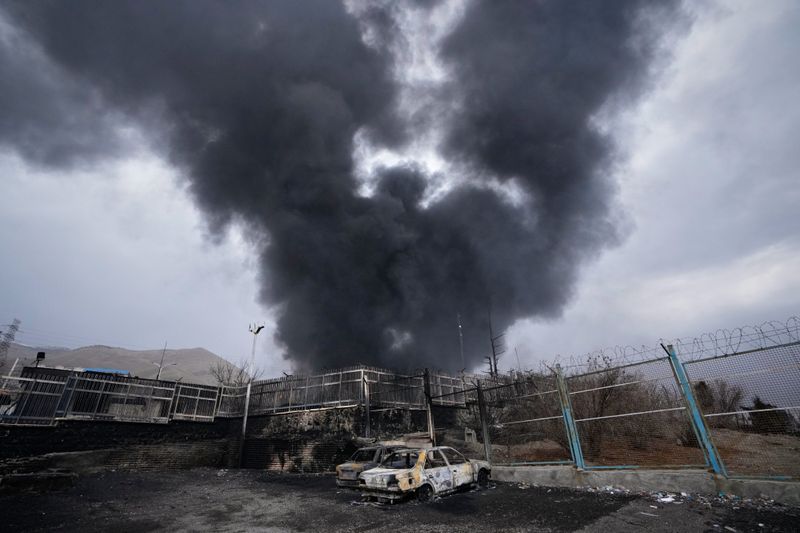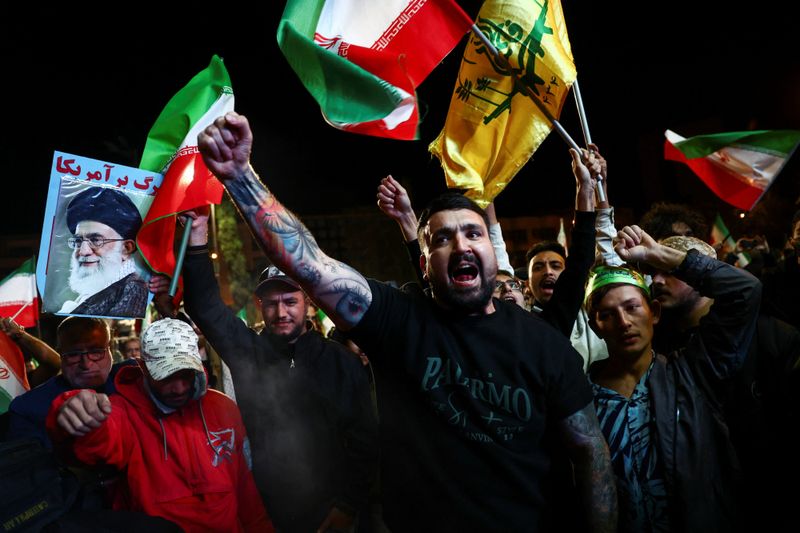

India on Wednesday welcomed the ceasefire between the United States and Iran, expressing hope that the pause in hostilities would pave the way for lasting peace in West Asia, even as it underscored the need for sustained dialogue and diplomacy.In an official statement, New Delhi reiterated its consistent position that “de-escalation, dialogue and diplomacy” remain essential to ending the conflict, which has seen days of intense hostilities and raised fears of a wider regional war.”We welcome the ceasefire reached and hope that it will lead to a lasting peace in West Asia. As we have continuously advocated earlier, de-escalation, dialogue and diplomacy are essential to bring an early end to the ongoing conflict,” the Ministry of External Affairs said.The ceasefire, announced after a sharp escalation that disrupted global energy supplies and trade routes, marks a critical pause in the conflict that had engulfed key parts of the Gulf region. The agreement between Washington and Tehran includes conditions for reopening the strategically vital Strait of Hormuz, a key artery for global oil shipments.Against this backdrop, India flagged the broader economic implications of the conflict, noting that the hostilities had caused “immense suffering” and severely impacted global energy supply chains and trade networks.“We expect that unimpeded freedom of navigation and global flow of commerce would prevail through the Strait of Hormuz,” the statement said, highlighting concerns shared by major energy-importing nations.The two-week ceasefire, seen as a window for negotiations, follows intense diplomatic efforts involving multiple stakeholders, including Pakistan, and has been widely viewed as an opportunity to prevent further escalation.However, uncertainties persist over the durability of the truce, with analysts cautioning that sustained engagement will be crucial to avoid a relapse into conflict.India’s response reflects growing international calls for stability in the region, as governments closely monitor developments in the coming days that could shape the trajectory of one of the most volatile geopolitical flashpoints.