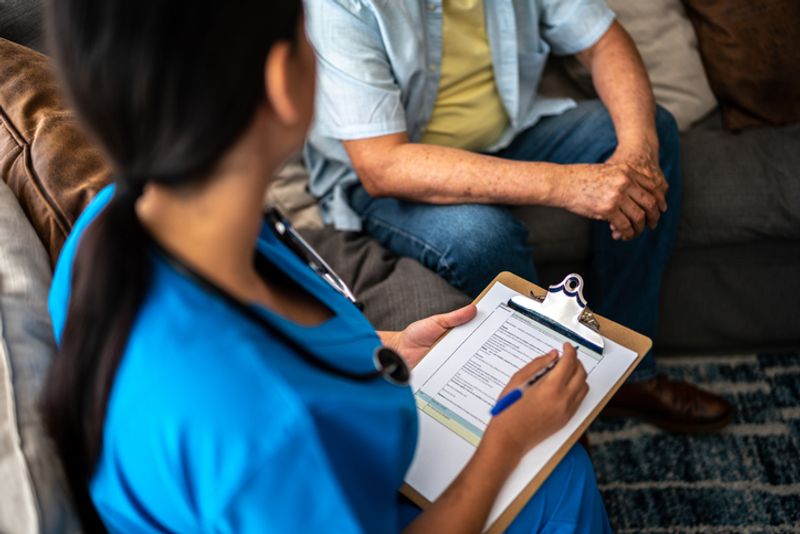

Women are more likely to have their pain dismissed, their symptoms misread and their conditions diagnosed too late. This is the result of a medical system that was not designed with women in mind, says the latest United Nations report.“For 25 years, the world has made significant progress in advancing women’s right to health, particularly in sexual and reproductive care. Women are living longer than ever before — but they are not living better,” it said.Across the world, UN data shows, women are still less likely to be taken seriously, accurately diagnosed or appropriately treated. From misdiagnosis to entrenched medical bias, gaps in healthcare systems continue to affect women’s health, safety and quality of life.Although healthcare is a fundamental human right, it is still not guaranteed for all — and inequality persists in one of the most critical areas of everyday life.According to the global body, from the tools used in examinations to the data that shapes diagnosis and treatment, these gaps are embedded in healthcare systems, with real consequences.It, however, said there had been measurable progress in women’s health parameters.“Between 2000 and 2023, maternal mortality declined by 40 per cent, from 328 to 197 deaths per 100,000 live births. Adolescent fertility rates fell from 66.3 to 38.3 births per 1,000 girls aged 15–19 between 2000 and 2024. Skilled birth attendance rose from 60.9 to 86.6 per cent, and the proportion of women using modern family planning methods increased from 73.7 to 77.1 per cent,” the report noted.Yet these gains are uneven. In the least developed countries, adolescent births increased from 4.7 million in 2000 to 5.6 million in 2024, it said.Women are also living longer than men — 3.8 years compared to 68.4 — but they spend more years in poor health. In 2021, women spent an average of 10.9 years in poor health, compared to 8.0 years for men, the report highlighted.This includes chronic conditions such as musculoskeletal disorders, gynaecological diseases, migraines and depression, it said.