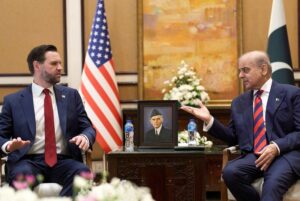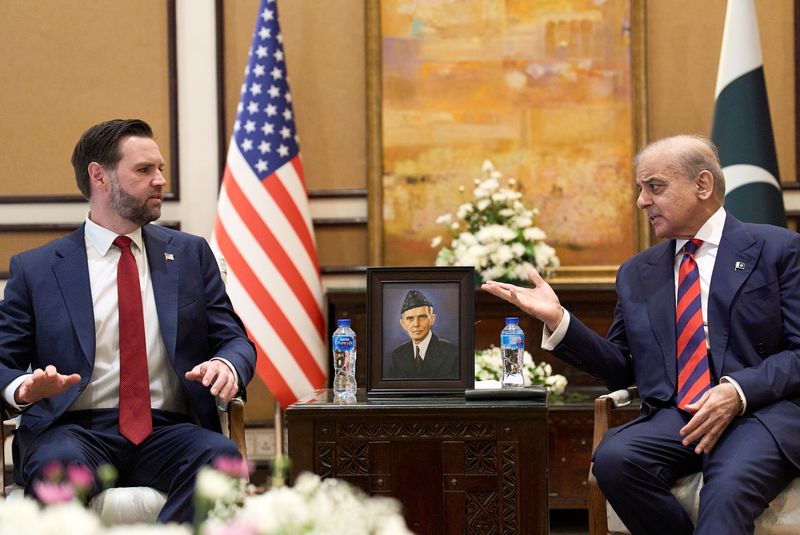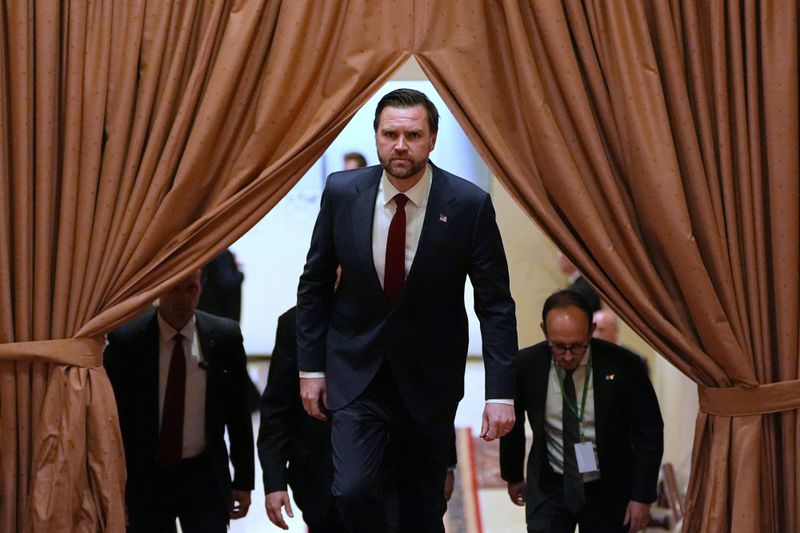

High-stakes negotiations between the United States and Iran ended without a breakthrough in Islamabad on Sunday, as US Vice President JD Vance departed for Washington after 24 hours of intensive talks mediated by Pakistan.Addressing a press conference in Islamabad, Vance acknowledged limited progress but confirmed that the two sides had failed to bridge core differences.“We’ve had a number of substantive discussions with the Iranians. That’s the good news. The bad news is that we have not reached an agreement, and I think that’s bad news for Iran much more than it’s bad news for the United States,” he said.Vance said Washington had clearly outlined its “red lines” and areas of possible compromise, but Tehran declined to accept the terms.At the heart of the impasse, he emphasised, was the US demand for a long-term, verifiable commitment that Iran would neither pursue nuclear weapons nor develop the capability to rapidly produce them.“The simple fact is that we need to see an affirmative commitment—not just for now, not just for two years, but for a very long period of time,” he said.Vance added that while Iran’s previous enrichment infrastructure had been dismantled, the question of intent remained unresolved. “Do we see a fundamental commitment of will from the Iranians?” he asked, underscoring what he described as the central objective of the negotiations.Despite the deadlock, Vance said the United States had left behind what he termed its “final and best offer,” leaving the door open for Tehran to reconsider.On the other side, Iranian officials struck a defiant yet measured tone. Esmaeil Baqaei, spokesperson for Iran’s Ministry of Foreign Affairs, described the talks as “intensive” and “wide-ranging,” covering issues from the nuclear programme to sanctions relief, war reparations, and regional security, including the Strait of Hormuz.Baqaei said Iran’s delegation had worked “without interruption” and remained committed to defending national interests.“The Islamic Republic of Iran is determined to utilise all tools, including diplomacy, to secure national interests and protect the country’s well-being,” he said.Baqaei also signalled that progress would depend on Washington’s approach. “The success of this diplomatic process depends on the seriousness and good faith of the opposing side,” he noted, warning against “excessive demands and unlawful requests.”The spokesperson reiterated Iran’s stance on safeguarding its sovereign rights, adding that recent national losses had only strengthened Tehran’s resolve.Both sides expressed gratitude to Pakistan for hosting and mediating the talks, though the failure to secure even a preliminary agreement underscores the deep mistrust that continues to define US-Iran relations.With Washington returning empty-handed and Tehran holding firm, the prospects for a near-term diplomatic breakthrough remain uncertain, even as both sides leave the door ajar for future engagement.