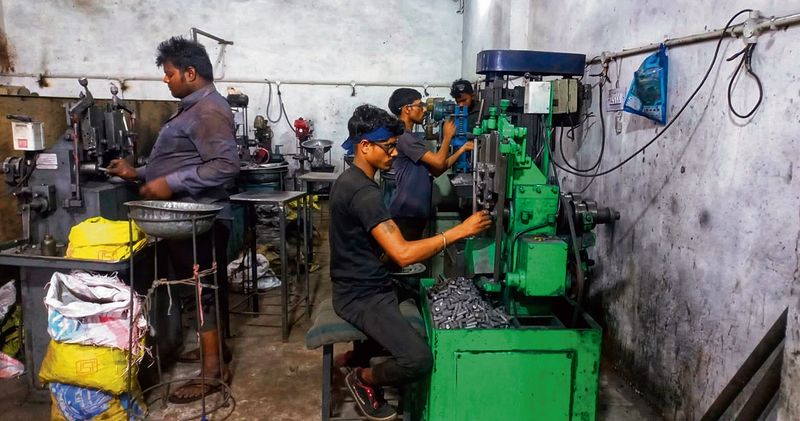

The labour codes risk exacerbating existing social and economic inequalities. While these claim to simplify the labour laws, they do not adequately address the realities of informal employment, say social activists and experts.For historically marginalised communities, who already face structural discrimination, these changes may lead to greater precarity, lower bargaining power, and limited access to social security, they said.Mukesh, a member of the Mazdoor Kisan Shakti Sangathan (MKSS), said one of the key issues with the codes was the lack of meaningful consultation with workers’ organisations, trade unions, and grassroots groups during the formulation process.“Additionally, the codes appear to dilute several hard-won labour protections. The shift from labour inspectors to facilitators, the easing of norms around retrenchment, and the increased centralization of rule-making powers point towards reduced accountability,” he told The Tribune in an e-mail interview. He said the changes reflect a broader trend of prioritising ease-of-doing business over the rights and protections of workers.All-India Kisan Sabha (AIKS) leader P Krishna Prasad said the codes aimed to turn workers into slaves while permanent employment would take a hit. “The government should brace itself if it goes ahead with the codes because workers will be forced to hit the streets. It is such a powerful issue which can even lead to a change in the political regime. For the marginalised, things will only take a turn for the worst with the laws,” he said.Bezwada Wilson, national convener, Safai Karmachari Andolan, said the government had teamed up with the corporate, and are robbing the people, especially the disadvantaged, of their basic rights.“Dalits, tribals and others from backward sections of society form a major part of the workforce of the unorganised sector. People look at a ‘safai karamchari’ (sanitation worker) and they think that ‘he should clean properly’. That is it, they never think of his rights. Sadly, the government, which should protect him and see him as a citizen with equal rights and opportunities, is also doing the same thing,” he said.“This government has no labour perspective. Neither has it any regard for international norms,” he added.Women have been allowed to work night shifts and in challenging workplaces like mines. The government says this will prevent gender discrimination. Is enough security being provided to them? AIKS’s Krishna Prasad said the labour codes do not give women an equal footing to negotiate their safety as well as job security.