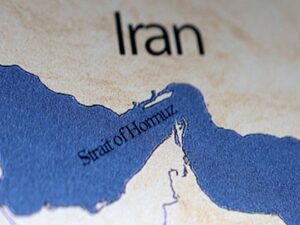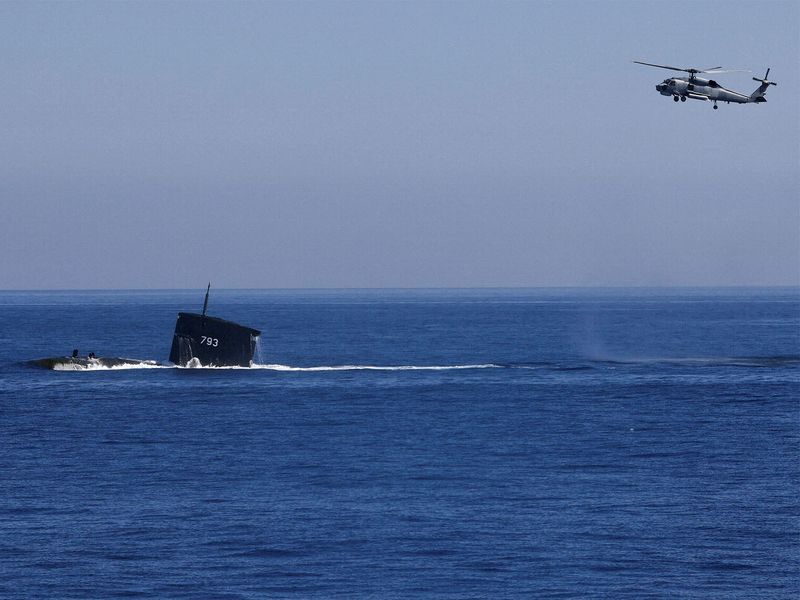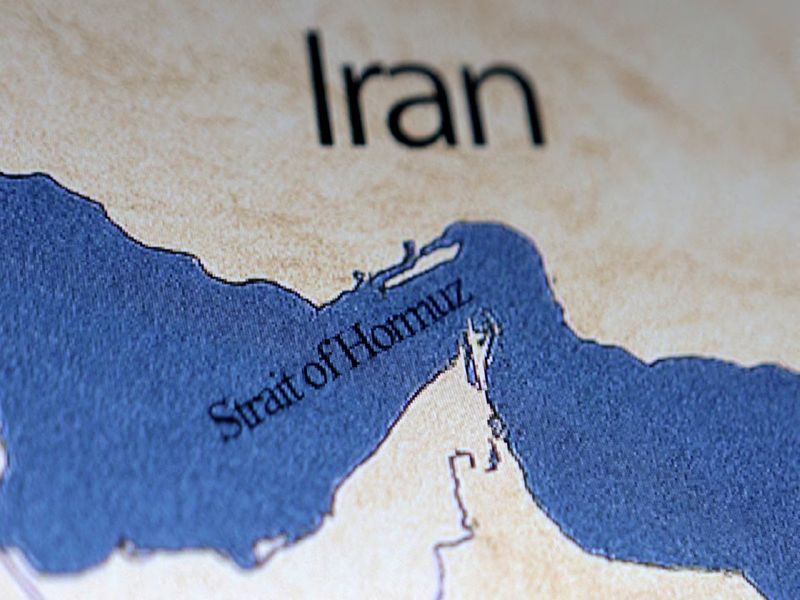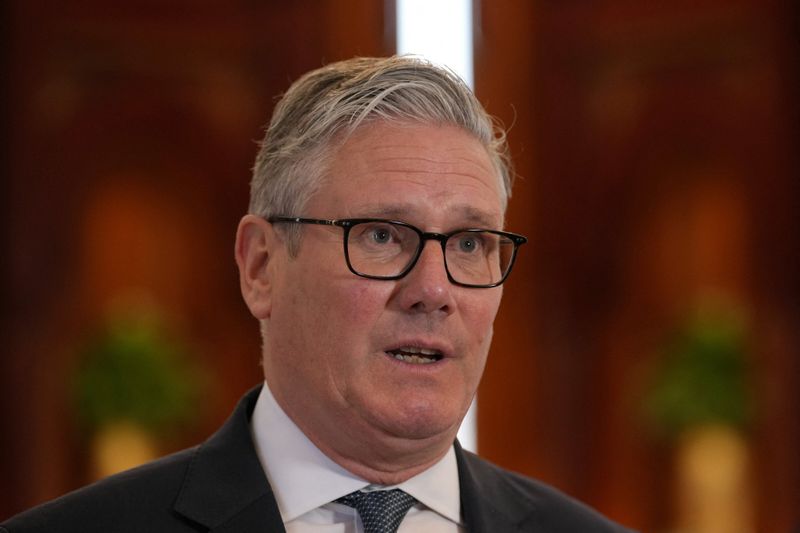

Amid mounting global anxiety over the continued disruption of energy and trade flows through the strategically vital Strait of Hormuz, France and the United Kingdom on Monday unveiled plans to spearhead a coordinated multinational effort to restore freedom of navigation, even as London made it clear it would not support Washington’s proposed blockade of the key maritime chokepoint.The announcement follows a sharp escalation in regional tensions after the collapse of high-stakes US-Iran talks in Islamabad and the subsequent declaration by US President Donald Trump that American forces would move to block all vessels entering or leaving the strait — a step widely viewed as carrying far-reaching global implications.British Prime Minister Keir Starmer adopted a calibrated but firm stance, distancing London from any coercive maritime action while stressing the urgency of reopening one of the world’s busiest energy corridors.“The ongoing closure of the Strait of Hormuz is deeply damaging. Getting global shipping moving is vital to ease cost of living pressures,” Starmer said, noting that the UK had already convened more than 40 nations to build consensus around restoring safe passage.He confirmed that London, in partnership with Paris, would co-host a high-level summit later this week to advance a “coordinated, independent, multinational plan” to safeguard commercial shipping once conditions permit.In a significant policy signal, Starmer underscored that Britain would neither be drawn into the ongoing conflict involving Iran nor lend support to any blockade of the strait.“We’re not supporting the blockade. It is vital that we get the Strait open and fully open, and that’s where we’ve put all of our efforts,” he said in remarks to BBC Radio, indicating a clear divergence from Washington’s hardline posture.French President Emmanuel Macron echoed the emphasis on de-escalation, framing the proposed initiative as a strictly defensive, peace-oriented mission aimed at ensuring maritime security without entanglement in the conflict.“No effort must be spared to swiftly reach, through diplomatic means, a strong and lasting settlement to the conflict in the Middle East,” Macron said, calling for a comprehensive framework addressing core regional challenges — including Iran’s nuclear and ballistic programmes, its regional activities, and the urgent need to restore unimpeded navigation through the strait.He confirmed that France, alongside the UK, would soon convene a conference of like-minded nations willing to contribute to a “peaceful multinational mission” tasked with securing maritime routes in the Hormuz corridor.“This strictly defensive mission, separate from the warring parties, is intended to be deployed as soon as circumstances permit,” Macron said, underlining that the initiative would operate independently of ongoing military engagements.The proposed Franco-British effort marks a significant European attempt to carve out a stabilisation mechanism distinct from the intensifying US-Iran confrontation, even as concerns mount over the economic fallout of prolonged disruption in the energy-rich Gulf region.The Strait of Hormuz — a narrow chokepoint through which a substantial share of the world’s oil and liquefied natural gas supplies transit — has long been a flashpoint in regional geopolitics. Any sustained disruption, whether through blockade or conflict, carries immediate implications for global energy markets, freight costs, insurance premiums and inflationary pressures worldwide.With Washington doubling down on coercive measures and Tehran signalling deep mistrust following the failed Islamabad talks, the European initiative appears aimed at preserving a diplomatic off-ramp while mitigating the risk of a prolonged maritime crisis.As consultations intensify, the viability of the proposed mission will depend not only on broad international participation but also on navigating the complex strategic fault lines that continue to define the West Asia conflict.