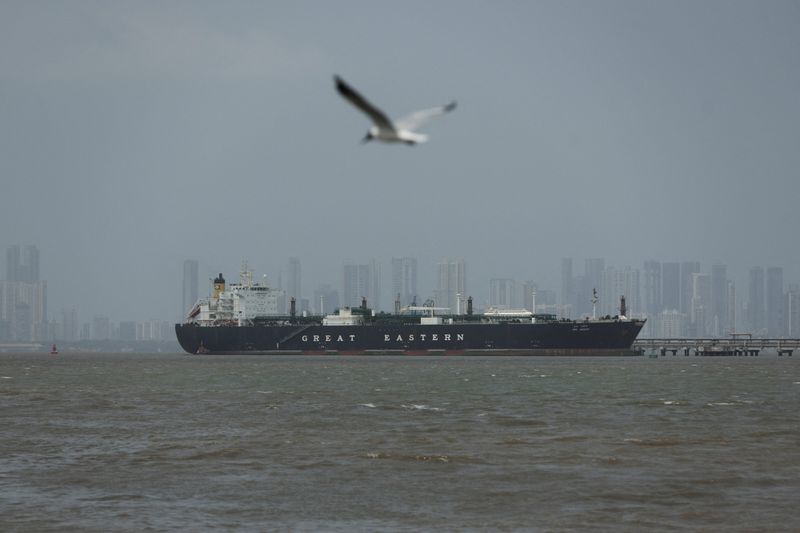

The US military has warned that ships entering or exiting a maritime blockade in the gUlf of Oman “without permission” will be “subject to interception, diversion, and capture”.The US Central Command, tasked for operations in West Asia, has enforced a blockade in the Gulf of Oman and the Arabian Sea east of the Strait of Hormuz from 7:30 pm IST on Monday.The note to mariners issued on Monday night said: “Any vessel entering or departing the blockaded area without authorisation is subject to interception, diversion, and capture.”These access restrictions apply without distinction to vessels of any flag engaging with Iranian ports, oil terminals, or coastal facilities, it said.However, the US clarified that the blockade “will not impede neutral transit passage through the Strait of Hormuz to or from non-Iranian destinations in the Persian Gulf.”Iran has also threatened that their fast missile boats, named the ‘Red bees of the Persian Gulf’, are warming up. “Now they’re (US) about to find out how a swarm can pin you down real quick,” an Iranian statement said.Iran had, on Monday, termed the US move as “piracy”, while Chinese Defence Minister Admiral Dong Jun cited his country’s energy sources from Tehran. “We expect others not to interfere in our affairs. The Strait of Hormuz is open to us,” he said.Maritime watchkeeper, the United Kingdom Maritime Trade Operations (UKMTO) Centre issued an advisory detailing the threats posed by the US blockade. It said, “Restrictions are being enforced affecting Iranian ports and coastal areas, including locations along the Arabian Gulf, Gulf of Oman, and the Arabian Sea east of the Strait of Hormuz.”The restrictions encompass the entire Iranian coastline, including ports and energy infrastructure. Neutral vessels currently within Iranian ports have been granted a limited grace period to depart, as will be specified.Vessels operating in the Strait of Hormuz, the Gulf of Oman, and adjacent waters have been advised to maintain heightened situational awareness, ensure maximum bridge readiness, and communicate through the ‘channel-16’, the maritime channel for ship-to-ship communications.Meanwhile, the US has significantly increased its military presence in the region. Three US carrier strike groups are converging: the USS Abraham Lincoln in the Arabian Sea, the USS Gerald R Ford in the eastern Mediterranean, and the USS George HW Bush, which has entered the Mediterranean Sea from the Strait of Gibraltar.Additionally, two US amphibious ready groups, the USS Boxer and the USS Tripoli, are in the area. Multiple US Air Force planes, like KC-135 and KC-46 refuelling aircraft, and C-17 Globemaster transport planes, are at staging areas in Jordan, Qatar and Israel.Analysts see this as the largest American naval and air concentration in the Persian Gulf since the 2003 invasion of Iraq.