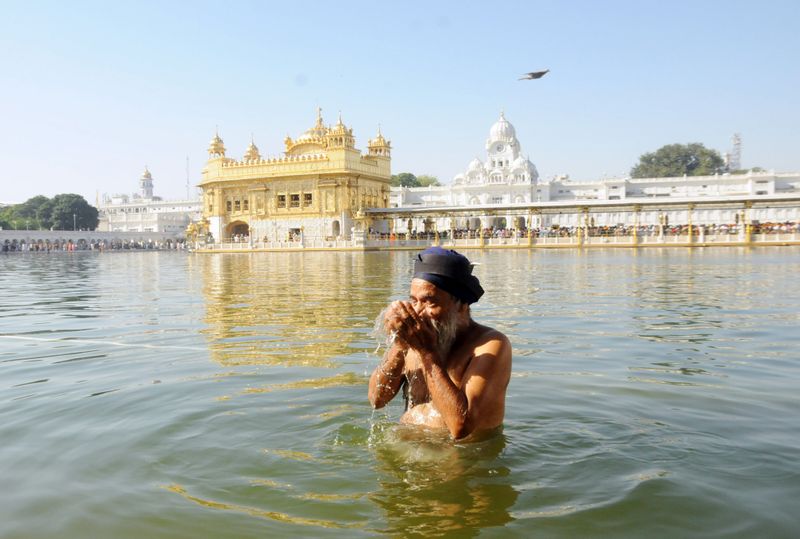

For Punjabis, Baisakhi, colloquially known as Vaesakhi, is far more than a harvest festival. Rooted deeply in history, faith and collective memory, it carries religious and political significance that has shaped the region for centuries.Two defining moments in history lend Baisakhi its profound meaning. On this day in 1699, the 10th Sikh master, Guru Gobind Singh, founded the Khalsa, giving a new identity and direction to the Sikh community.Related news: SGPC chief, former Akal Takht Jathedar greet sangat on Khalsa Sajna Diwas, BaisakhiGlobal Sikhs gather at Golden Temple for auspicious Khalsa Sajna DiwasCenturies later, the tragic Jallianwala Bagh massacre left an indelible scar, when hundreds of unarmed civilians were gunned down by British troops. These events not only transformed Punjab’s socio-political landscape but also inspired resistance. First against the Mughals under Banda Singh Bahadur and later against British colonial rule, eventually contributing to India’s freedom struggle.Today, Baisakhi embodies a blend of joy, devotion, sacrifice and hope. From bustling fairs in towns and villages to vibrant cultural performances, the festive spirit is unmistakable. Bhangra and giddha echo through open grounds, as men and women celebrate the harvest season with unrestrained enthusiasm.For the devout, the day begins with a holy dip at the sacred sarovar of Golden Temple. Thousands of devotees throng the shrine in the early hours, seeking blessings and offering prayers.Yet, amid the celebrations, a subtle concern lingers. Traditionally, Baisakhi marked the completion of the wheat harvest, a sentiment beautifully captured in the works of Dhani Ram Chatrik. His celebrated poem “Vaisakhi” portrays farmers rejoicing after reaping their crops. However, changing climatic conditions have altered this rhythm. In parts of the Majha region, many farmers are still waiting for their crops to ripen, highlighting the shifting agricultural cycle.Echoes of the past still resonate in folklore. A popular couplet; “Datri nu lvade gungru, harhi wadu gi barabar tere” recalls a time when women joined men in harvesting, turning labour into a shared celebration.At local exhibitions, traditional farming tools stand as silent witnesses to the grit and toil of earlier generations, even as modern machinery dominates the fields today. Meanwhile, pashu melas add to the festive charm, with special focus on horse trading during Baisakhi. Visitors admire and adorn their animals with colourful ‘haar’, ‘hamelan’ and ‘ghungru’, reflecting Punjab’s enduring bond with its livestock.