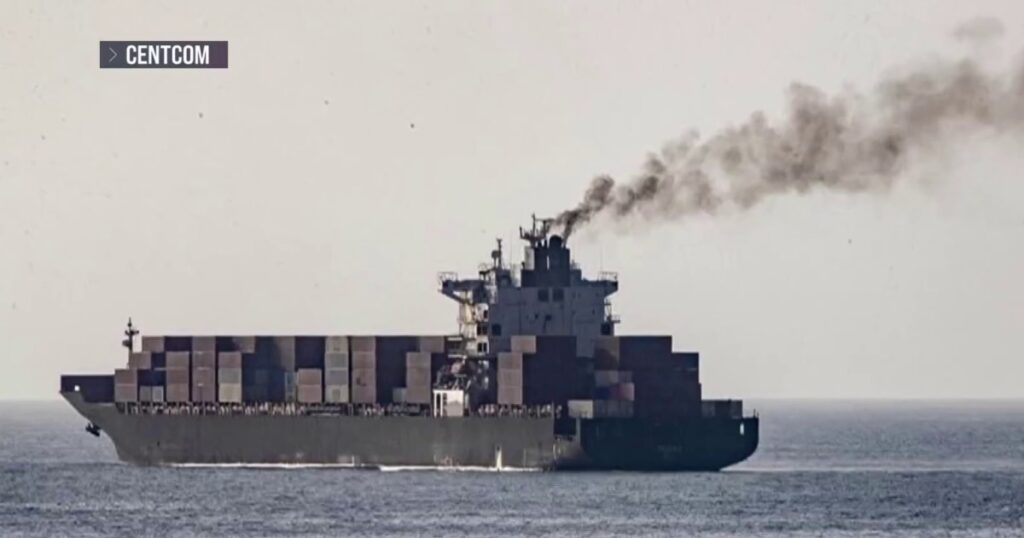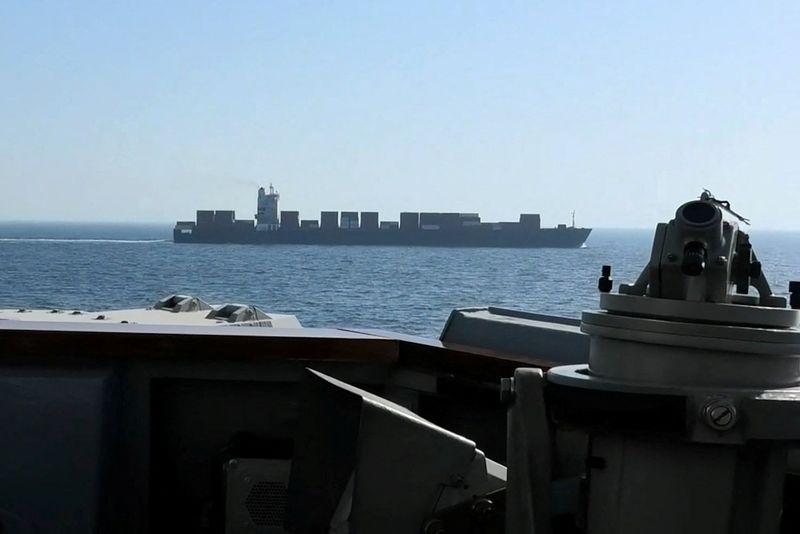

The clouds of uncertainty continued to envelop the second round of talks in Islamabad as Iran signalled reluctance to participate following the US blockade of the Strait of Hormuz, even as Washington claimed its delegation had already left for Pakistan.According to a US media report, US Vice-President JD Vance and a high-level American delegation are already en route to Pakistan for the next round of negotiations with Iran.The New York Post reported that the delegation, including special envoy Steve Witkoff and senior adviser Jared Kushner, is expected to arrive in Islamabad “within hours”.“We’re supposed to have the talks… I would assume at this point nobody’s playing games,” US President Donald Trump told the publication in a brief interview, downplaying concerns that negotiations could collapse. He also indicated willingness to meet senior Iranian leaders if a breakthrough was achieved.At the same time, Reuters news agency, citing some unnamed sources, said Vance was still in the US and hadn’t departed till the time of filing of this report. However, another media report suggested that Vance was leaving soon for Islamabad.Iran President Masoud Pezeshkian said the “deep historical mistrust in view of the US government’s conduct” was an impediment that was holding Tehran back from attending the second round of talks. “Honouring commitments is the basis of meaningful dialogue. Deep historical mistrust in Iran toward the US government’s conduct remains, while unconstructive and contradictory signals from American officials carry a bitter message; they seek Iran’s surrender. Iranians do not submit to force,” Pezeshkian posted on X.The development comes amid renewed diplomatic churn around the Iran file, though prospects for immediate progress remain uncertain. The current two-week ceasefire is set to expire on Wednesday, adding urgency to backchannel efforts. The previous round of talks in Islamabad–a marathon 21-hour engagement–ended in a stalemate on April 12, with both sides failing to bridge key differences.Iran has since hardened its public stance. Foreign Ministry spokesperson Esmaeil Baghaei said Tehran currently had no plans to join the next round of negotiations, asserting that the US conduct “did not indicate seriousness in pursuing a diplomatic process”.His statement came after Iran’s Parliament Speaker Mohammad Bagher Ghalibaf said earlier in the day that Tehran was continuing negotiations with the US, but remained ready to take “necessary measures” amid fears of renewed escalation.The statements coming from Iran are reminiscent of Tehran’s stance ahead of the first round of Islamabad talks when Iran demanded that its “preconditions” be met in order for the dialogue to proceed.Former Pakistani Ambassador Jamil Khan told Al Jazeera news channel that efforts were accelerating and indicated that the Iranian delegation was likely to attend the talks within 24-48 hours, though uncertainty persisted.The underlying disputes remain complex. Iran’s list of demands, including linking the talks to Israeli strikes in Lebanon, initially delayed engagement. Meanwhile, US actions such as the naval blockade and targeting of an Iranian vessel have reinforced Tehran’s skepticism of Washington’s intentions.Despite the impasse, Islamabad remains central to mediation efforts. Pakistan’s establishment has maintained active communication channels with both Washington and Tehran, positioning itself as a critical intermediary in efforts to stabilise the situation.