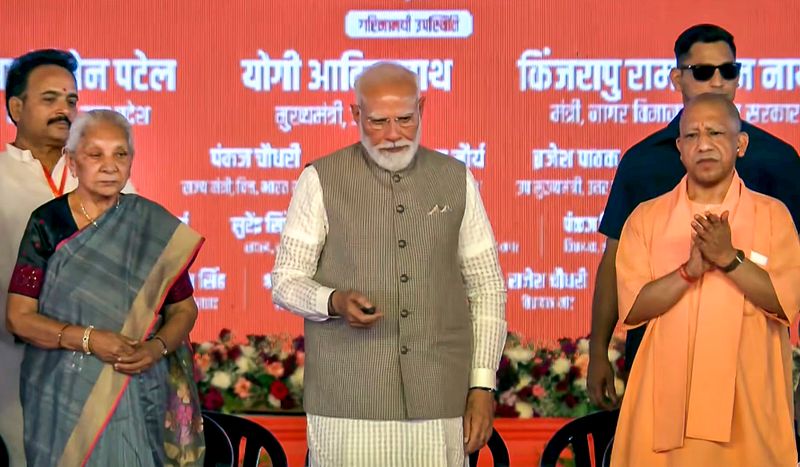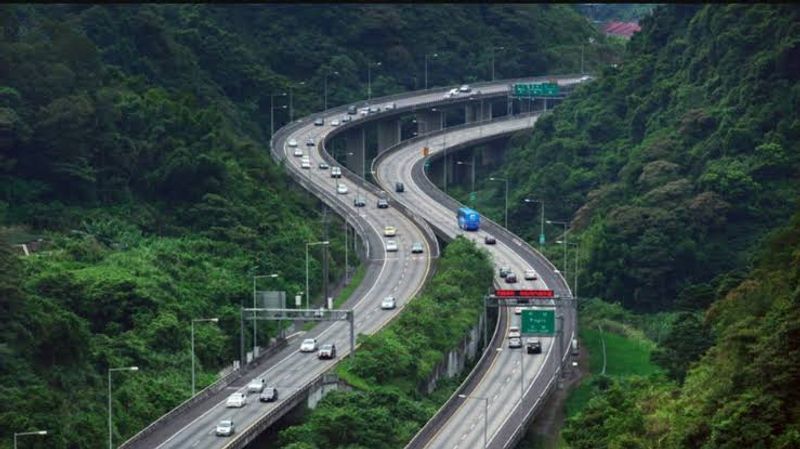

The Delhi-Dehradun Expressway, which was recently inaugurated by PM Narendra Modi, marks a major leap in road infrastructure in northern India.Spanning approximately 213 kilometers, this modern six-lane corridor significantly reduces travel time between Delhi and Dehradun—from more than six hours to just about 2.5 hours. Designed for high-speed travel of up to 100 kmph, the expressway is expected to enhance connectivity, boost tourism, and streamline logistics across regions in Delhi, Uttar Pradesh and Uttarakhand.Delhi-Dehradun Expressway routeThe route begins near Akshardham in Delhi and integrates with the Delhi–Meerut Expressway, passing through key districts such as Baghpat, Shamli and Saharanpur before entering Uttarakhand and terminating in Dehradun. One of the most notable features of the project is its environmentally conscious design. A 12-kilometer elevated stretch runs through the Rajaji National Park, allowing wildlife to move freely beneath the roadway. This wildlife corridor, extending roughly 14 kilometers, has already shown signs of animal activity, highlighting its effectiveness in balancing development with conservation.16 entry and exit pointsIn addition to the elevated corridor, the expressway includes a 340-meter tunnel near the southern end of the wildlife zone. Multiple elevated sections along the route also help reduce congestion and improve traffic flow. With 16 entry and exit points, the highway ensures better accessibility for towns and cities along the way, making it more than just a point-to-point connection.Toll structureFrom a cost perspective, toll charges are clearly structured. A one-way trip for cars from Delhi to Dehradun costs around Rs 675, based on tolls collected at five plazas. A round trip within 24 hours totals approximately Rs1,010, offering some savings on the return journey. All toll payments are conducted via FASTag, ensuring seamless, cashless transactions. These charges fall in line with the general toll rate of Rs 2-3 per kilometer for light vehicles on Indian expressways.FASTag annual passFrequent travelers may benefit from the FASTag Annual Pass, introduced by the National Highways Authority of India (NHAI). Priced at Rs 3,075, the pass is valid for either one year or 200 trips, whichever comes first. This effectively reduces the toll cost per plaza to about Rs 15.37. Given that the Delhi-Dehradun Expressway has five toll plazas, a single trip using the annual pass would cost approximately Rs 76.85- making it a highly economical option for regular commuters.Access to Char Dham highwayThe expressway also connects with several major highways, including NH-709B, NH-307, NH-344G, and the Eastern Peripheral Expressway. It further strengthens access to the Char Dham highway network via Haridwar, benefiting pilgrims and tourists heading toward Uttarakhand’s sacred sites.While the infrastructure is largely complete and operational, some wayside amenities such as fuel stations and rest areas are still under development. Once fully functional, these facilities will enhance the overall travel experience by offering convenience and safety for long-distance commuters.