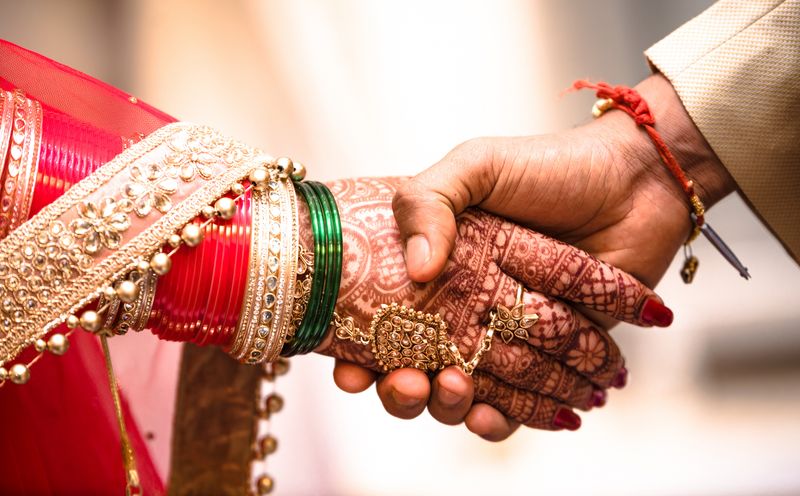

In a controversial move that has stirred intense debate across the region, the village panchayat of Oind in the Morinda area of Ropar district has passed a resolution banning marriages between residents of the same village. The decision, reportedly triggered by an alleged love affair between local residents, has raised serious questions about individual freedom, social norms, and the authority of informal village bodies.According to sources, the resolution was adopted during a gathering of the village panchayat attended by the Sarpanch, lambardar, and other panch members. The directive clearly states that if any boy or girl from the village marries another resident of Oind, their family will face social boycott and possible expulsion from the village. The decision is said to have already affected at least one family.Speaking on the issue, Sarpanch Major Singh defended the resolution, suggesting it was necessary to maintain “social harmony” and preserve traditional values. However, he did not elaborate on the legal standing of such a directive.The move comes in the backdrop of an alleged inter-caste relationship between two families in the village, which reportedly caused friction among residents. Sources claim that the panchayat acted swiftly to prevent similar instances in the future, leading to the sweeping ban on intra-village marriages.From a social perspective, the decision has drawn criticism from activists and legal experts who argue that such resolutions violate fundamental rights guaranteed under the Constitution, including the right to choose one’s partner. Observers note that while panchayats play an important role in local governance, their authority does not extend to regulating personal relationships or imposing punitive social sanctions.“This is a regressive step that reinforces outdated social norms,” said Arvind Kumar, a social activist. Marriage is a personal choice, and no community body has the right to dictate or punish individuals for exercising that choice, he said.Notably, similar decisions have been reported in other parts of Punjab in recent months, where village panchayats have attempted to restrict marriages within the same village or ‘gotra’, often citing cultural traditions. Such measures have frequently led to conflicts, legal challenges, and intervention by district authorities.Despite growing urban influence and modernisation, many rural pockets continue to adhere to traditional codes enforced by informal institutions. However, incidents like the one in Oind highlight the ongoing tension between evolving individual rights and deeply rooted community practices.As the issue gains attention, it remains to be seen whether district authorities in Ropar will intervene or seek legal clarification on the resolution. For now, the decision has left the village divided, with some supporting the panchayat’s stand and others quietly questioning its implications on personal liberty and social justice.